How El Nino And Warming Oceans Could Shape Earth's Climate In 2027
From changing ocean currents to extreme weather, scientists are watching a combination of climate signals that could influence temperatures, rainfall and ecosystems in the months ahead.
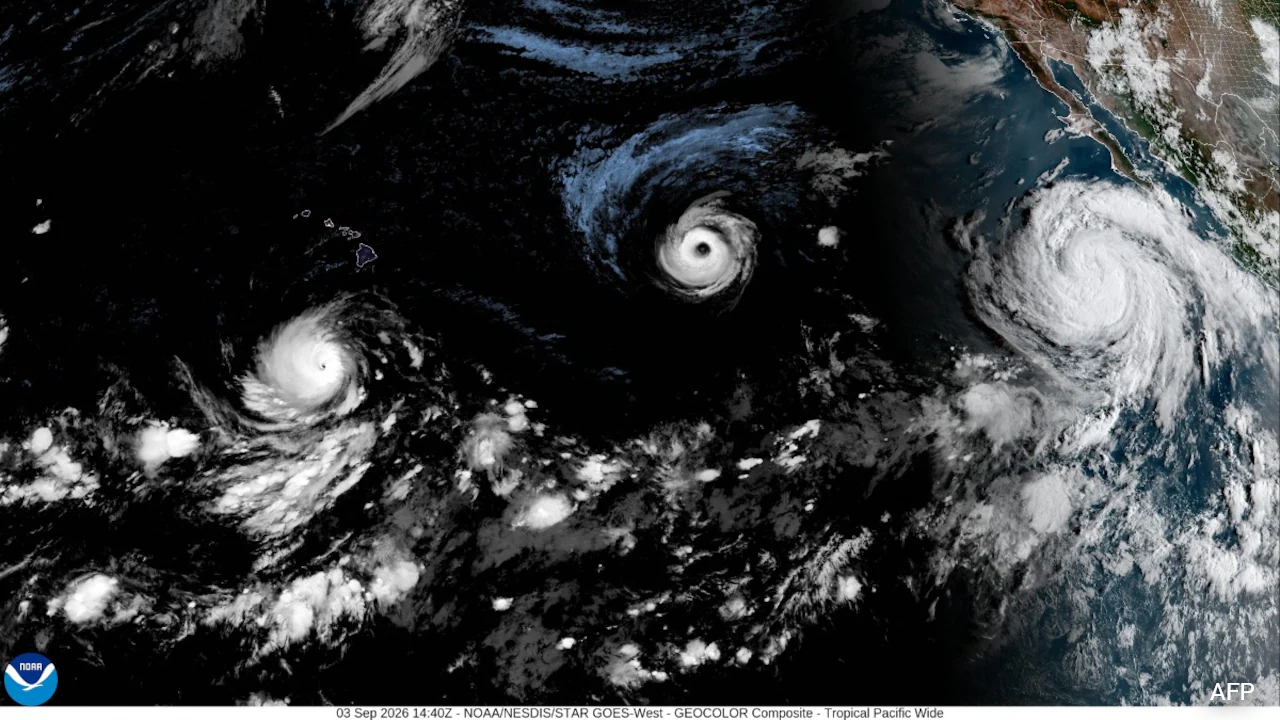
The world's oceans are sending out a series of important climate signals as 2026 draws to a close. El Nino is strengthening in the Pacific, ocean temperatures remain exceptionally high, and scientists are developing new ways to observe smaller, fast-changing ocean currents that influence how heat moves around the planet. Climatologists are monitoring these numbers because ocean and atmosphere operate as a connected system. Changes in ocean temperatures and circulation can alter rainfall, influence regional temperatures and affect ecosystems thousands of kilometres away.
Also Read | "Earth Almost Entirely In Red": Warnings As "Super-Duper El Nino" Intensifies
The World Meteorological Organisation (WMO), in its October 8 update, warned that El Nino is expected to intensify towards a peak around December. The event could influence weather patterns and economies worldwide, with effects potentially extending into 2027.
So, is 2027 going to break the heat record of 2026? Is there a connection between these developments? And how people across the world will be impacted? Here's an analysis.
Why Scientists Are Watching El Nino Closely
The climate phenomenon is characterised by unusually warm sea-surface temperatures in the central and eastern equatorial Pacific Ocean. It is part of the El Nino-Southern Oscillation (ENSO), a broader climate pattern that alternates between El Nino, La Nina and neutral conditions.
During El Nino, the trade winds that normally push warm surface water towards the western Pacific weaken. Warm water spreads eastwards, changing the distribution of heat and altering atmospheric circulation.
This affects where tropical air rises, where clouds form and where rainfall occurs. The consequences can extend well beyond the Pacific, influencing seasonal weather patterns across Asia, Africa, the Americas and other regions.
Warming Oceans Are A Concern. Here's Why
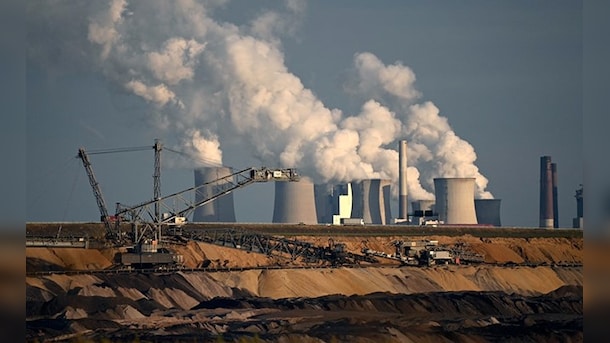
Greenhouse gases trap heat in Earth's atmosphere.
Photo Credit: AFP
Greenhouse gases released by burning of fossil fuels, deforestation and other activities trap additional heat in the climate system. The oceans, which are already hotter than ever recorded, absorb most of the excess heat accumulating on Earth.
And the El Nino is adding to their suffering by adding heat to the system. This warming of oceans can have far-reaching consequences that includes supercharged extreme weather, rising sea levels and harm to marine life.
The WMO's October outlook warns that sea-surface temperatures in the central and eastern tropical Pacific were forecast to reach exceptionally high levels during October-December 2026.
As the ocean and atmosphere interact, changes in sea-surface temperatures can influence winds, rainfall and the development of weather systems. Warmer conditions can also increase the amount of moisture available to the atmosphere, potentially intensifying rainfall when other conditions favour precipitation.
Scientists Can Now Observe Ocean Currents In Greater Detail
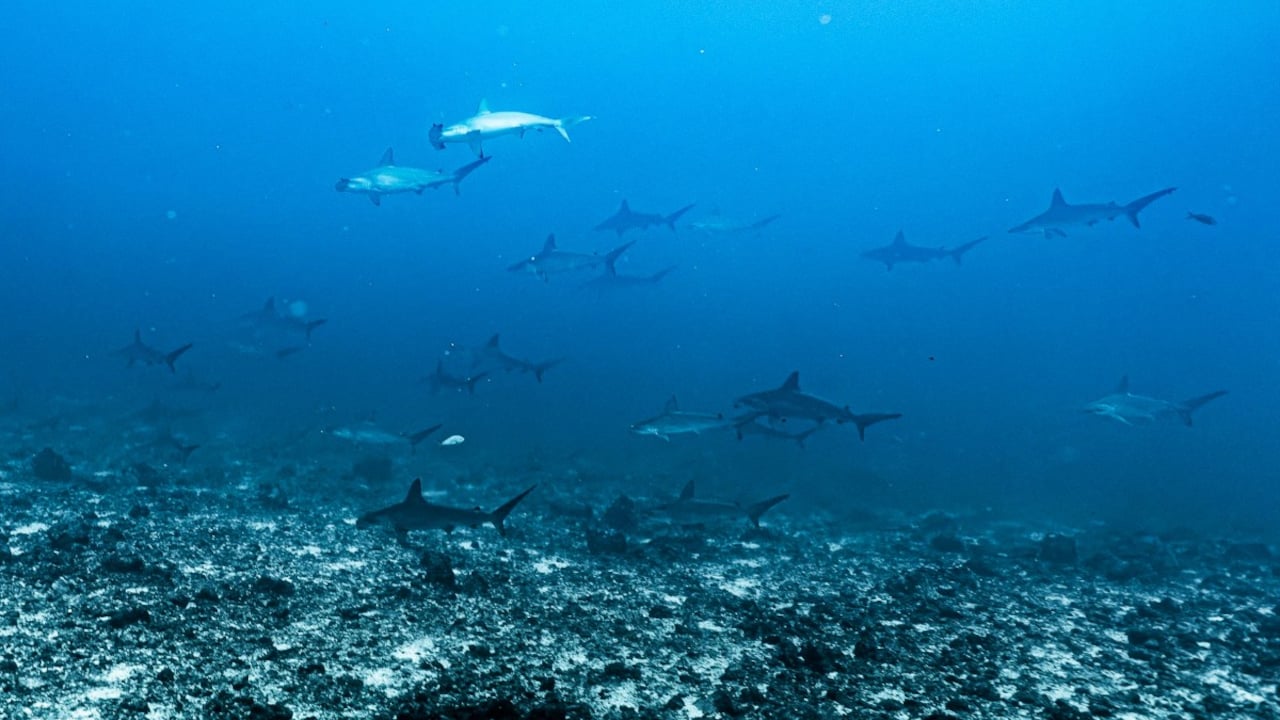
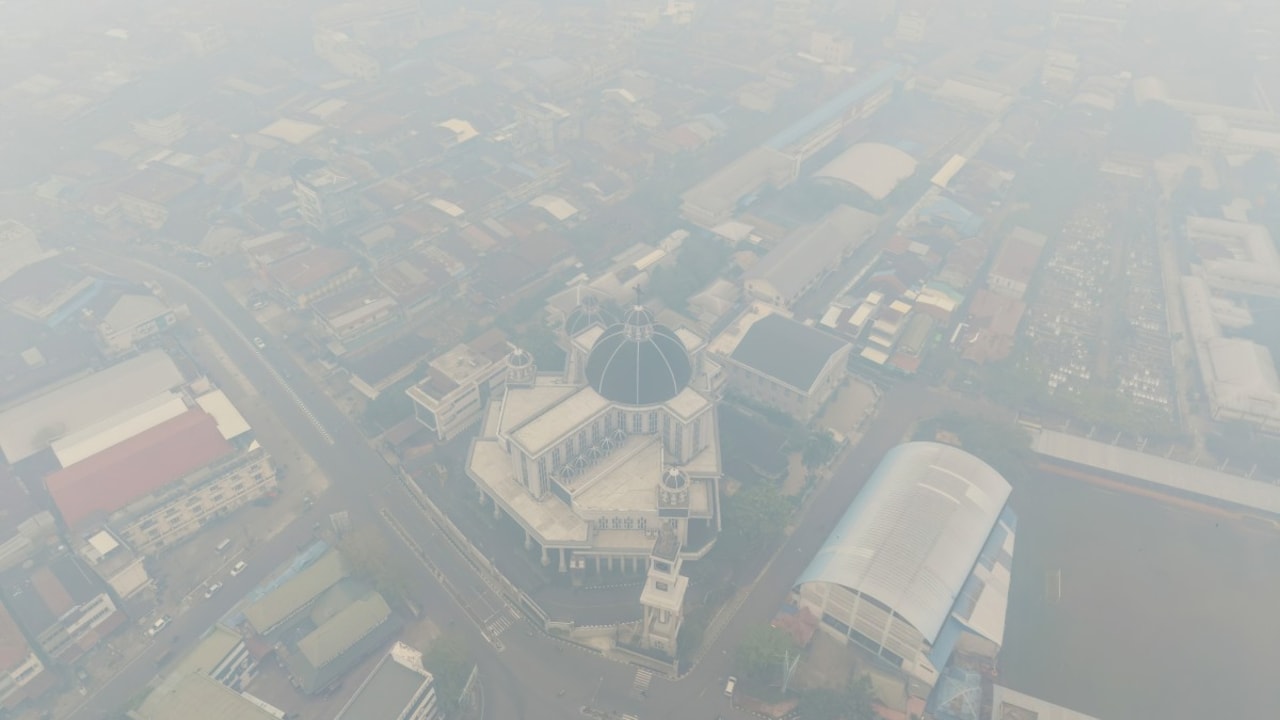
Warming ocean can impact marine life.
Photo Credit: AFP
Another development attracting scientific interest is a new method for mapping ocean currents using satellite imagery and artificial intelligence.
A study published in Nature Geoscience on April 13, 2026, introduced Geostationary Ocean Flow, or GOFLOW. The technique uses sequences of thermal images captured by geostationary satellites to reconstruct ocean surface currents at high spatial and temporal resolution.
Applied to the Gulf Stream in the Atlantic Ocean, the method revealed characteristics of small-scale ocean circulation that had previously been documented mainly through high-resolution computer models.
These smaller currents, known as submesoscale currents, can evolve over hours and extend across relatively short distances. They influence the exchange of heat, nutrients and carbon between the ocean's surface and deeper waters. They can also affect the movement of pollutants and other material through the marine environment.
Why Does This Matter For Climate Science
Ocean currents redistribute heat and interact with atmospheric circulation. Understanding them more accurately could help scientists reduce uncertainties in climate models, improve knowledge of marine ecosystems and develop better methods for tracking ocean pollution.
However, the study does not establish that El Nino caused a new current pattern or that a major ocean current has suddenly changed direction. Its principal contribution is a new way of observing small-scale ocean movements.
From Ocean Currents To Extreme Weather: How The Signals Connect
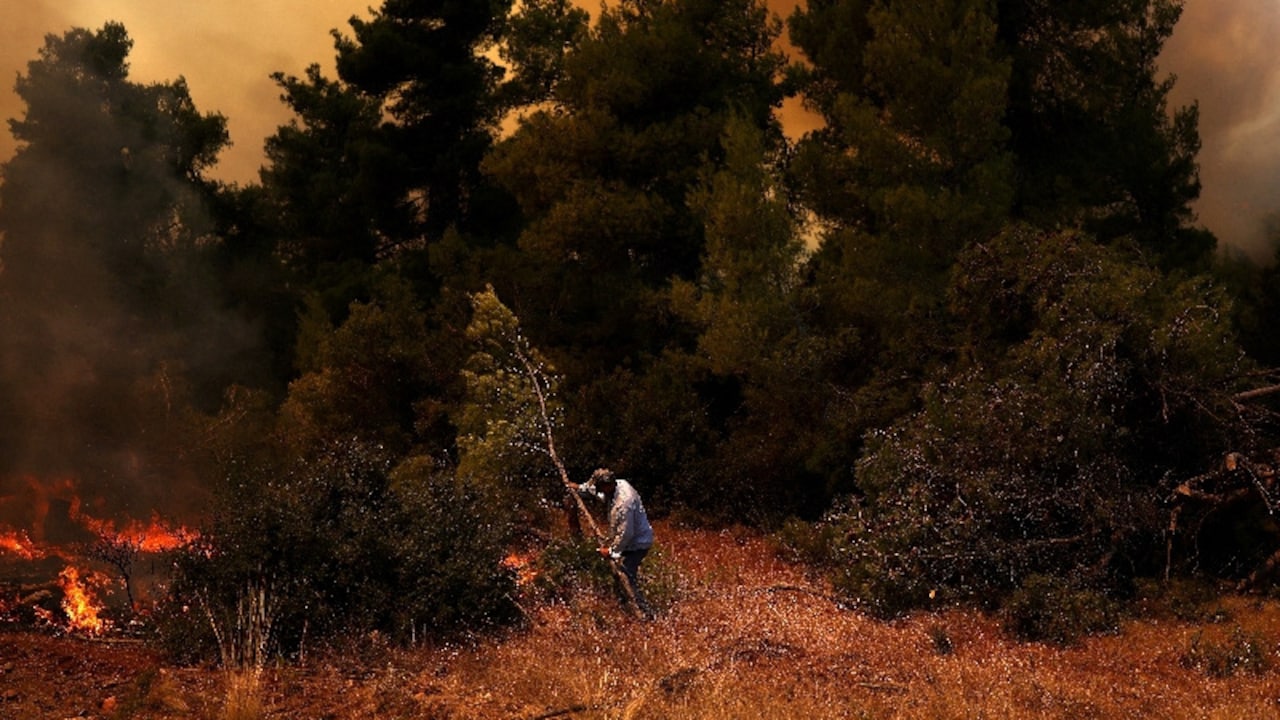
Earth's temperature has risen considerably in the last few decades.
Photo Credit: Reuters
El Nino, warming oceans and changing ocean circulation are related, but they do not all operate in the same way.
El Nino alters tropical Pacific temperatures and atmospheric circulation. Smaller ocean currents redistribute heat and material within the ocean. Long-term global warming increases the amount of energy retained in the climate system.
Together, these processes influence the conditions under which extreme weather develops.
For example, El Nino can increase the likelihood of drought in some areas while raising the probability of heavy rainfall in others. Warmer air can hold more moisture, increasing the potential for intense precipitation when atmospheric conditions are favourable.
What This Could Mean For India
India is particularly sensitive to changes in the interaction between the Pacific and Indian oceans because these influence rainfall, agricultural conditions and water availability.
The southwest monsoon season runs from June to September. In its long-range forecast, the India Meteorological Department (IMD) projected seasonal rainfall at 92% of the long-period average.
But WMO's outlook points to a greater likelihood of below-average rainfall over the Indian subcontinent during October-December 2026. Such seasonal forecasts indicate probabilities across broad regions; they do not mean every state will receive less rain.
Another important factor is the Indian Ocean Dipole (IOD), a climate pattern associated with differences in sea-surface temperatures between the western and eastern tropical Indian Ocean.
A positive IOD can sometimes counteract some of El Nino's influence on Indian monsoon rainfall. However, the relationship is not automatic, and the combined effect depends on the strength and timing of both patterns and on other atmospheric conditions.
What About The Weather In 2027?
Though there are forecasts of a gloomy climate in 2027, what's important to noteis that global estimate comes with uncertainties as the margin of record is very small. These forecasts can identify regions where above- or below-average temperatures and rainfall are more likely. They cannot specify every local weather event months in advance.
The WMO and NOAA updates suggest that El Nino is likely to remain an important influence into early 2027. But the intensity of its impacts will depend on how the ocean-atmosphere system evolves and how other climate drivers interact with it.
-
Opinion | The Last Bet? What Trump's 'Mother Of All Bombs' Could Actually Do To Iran

Can an MOAB deliver a decisive blow to Iran that may force it to surrender immediately, as Japan did after Hiroshima and Nagasaki in World War 2?
-
Hit Songs, Empty Pockets: The Hidden Math Behind India's Viral Music Boom
Over 80,000 brands and five lakh creators in India make branded content. The opportunity is worth around Rs 1,500 crore.
-
Opinion | Great 'Exceptions': How The Oil India Was Attacked For Is The Oil Trump Now Seeks
A law written to punish the buyers of Russian oil was suspended by the US to protect a purchase of Russian oil. India spent fourteen months being lectured for less.
-
Opinion | Louis Vuitton Loot, Torched Cars: France Protests Have An Unlikely Beneficiary
It's an unbelievable moment. Crowds looting the most exclusive stores in Paris, including the famed Luis Vuitton. But what's behind this meltdown?
-
Blog: Kolkata Didn't Learn From 2015. Eleven Years Later, It Proved To Be Fatal
The City of Joy isn't a stranger to crowd control. Be it during Pujo or Christmas at Park Street, Eden Gardens cricket matches, or Derbies between Mohun Bagan and East Bengal. But during Pujo, the entire city is on alert.
-
Opinion | Slurs, Threats, Now A Temple Attack Plot: When Did America Become So Hostile To Indians?
The rising tide of anti-India, anti-Hindu, and racist attacks serves as a stark reminder that economic prosperity does not automatically guarantee social immunity from bigotry.
-
A Step Behind Neha Bora: What Rahul Gandhi's Gesture Says About Congress' Gen-Z Pitch
At INDIA bloc's march to Supreme Court, Rahul Gandhi placed himself a step behind two women, hands resting on their shoulders. One was his sister Priyanka. The one on his right was Neha Bora. Here's what the image means for the protest wave now, and for Rahul's politics in general.
-
Opinion | Imran Khan, And The Perils Of Having An 'Opinion' In Bollywood
The reality of the industry is quite grimy. More often than not, its inhabitants have been fairweather friends, happy to sing the praises of whoever is in a position of authority.
-
Exclusive: India's Food Safety Problem Goes Beyond Just Dirty Kitchens - By Tukaram Mundhe
On World Food Day, Maharashtra's Commissioner of Food Safety explains why instead of taking stopgap measures, the entire supply chain in India needs to be held accountable and made transparent.
-
Opinion | India Has Enough Coal. So Why Are Power Plants Running Short? A 76 Million 'Crunch'
As of October 5, as many as 82 of the 191 thermal plants monitored by the Central Electricity Authority were in the 'critical' category