Hitting A Bullet With A Bullet: No Such Thing As Ballistic Missile Shield
The most effective ballistic missile defence remains what it has always been: not letting the missile launch in the first place

Ballistic missile technology is crazy good. To try to stop an incoming ballistic missile is crazier, like "hitting a bullet with a bullet". This line from a work of fiction is easy to understand for the layperson who has no interest whatsoever in intercepting a ballistic missile or destroying the world.
But time, tide and technology wait for none.
The development of the atomic bomb and ballistic missile technology grew into a friendship that promised the end of the world on demand - the nuclear warhead would ride the ballistic missile from one place on Earth to somewhere far away on the other side of the Blue Planet.
For decades, humanity imagined the ballistic missile only with cautionary tales of Doomsday and post-apocalyptic dread.
That imagery is changing, data shows.
These days and in recent years, reports say, hundreds of ballistic missiles have been fired during the Israel-Iran and Ukraine-Russia war. Between 1980 and today, some 5,500 ballistic missiles have been fired in combat. This includes those launched in wars involving the Soviet Union-Afghanistan, Iran-Iraq, Russia-Ukraine, Houthis, Armenia-Azerbaijan, Libya, and the US. Whether Saudi Arabia and Israel have fired ballistic missiles in combat is not known; they have never publicly acknowledged it.
The last two years saw a spike in ballistic missile use beginning with the Red Sea Crisis when Yemen's Houthis, supported by Iran, launched many of them on Israel, an analysis by the Armed Conflict Location and Event Data (ACLED) said. The Houthis also created its first "locally made" ballistic missile, the Burkan-1, an extended-range version of a Soviet-era Scud based on Iran's Shahab-1, said ACLED, a research body supported by the United Nations Complex Risk Analytics Fund. The Yemen-backed group had another first to their name - they launched the world's first anti-ship ballistic missile in November 2023, the US Central Command (CENTCOM) said.
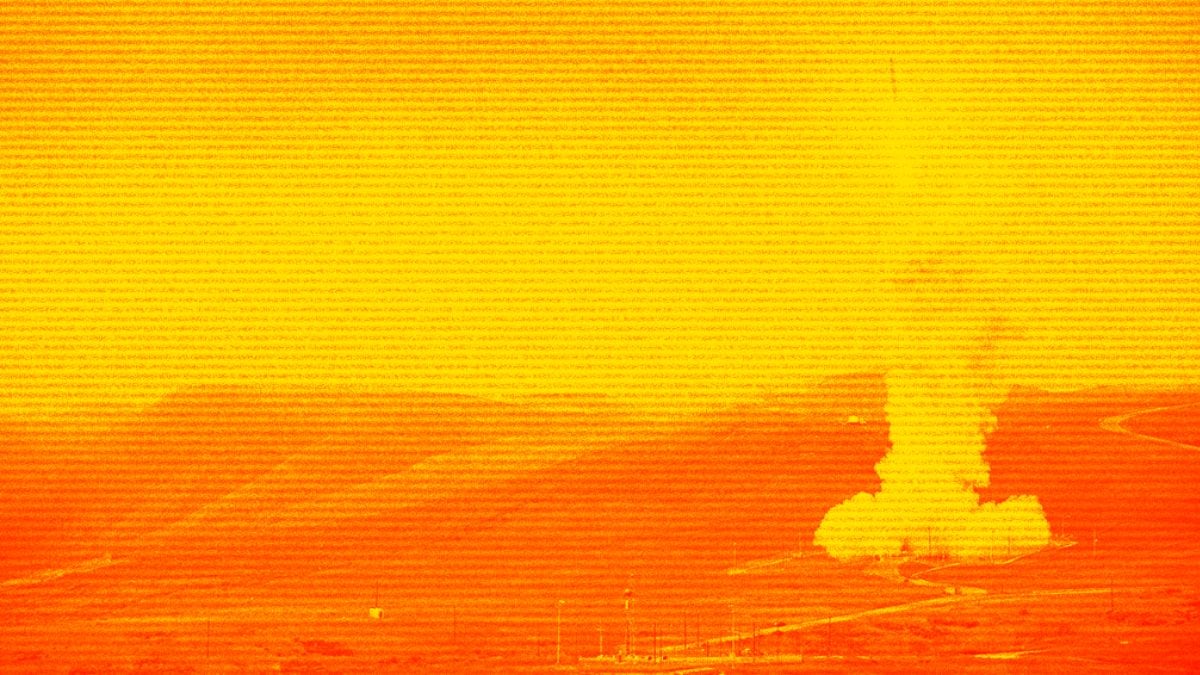
A pattern that emerges is that ballistic missiles are becoming the new 'local' rockets, and shifting away from the strategic use reputation it carries, though their strategic use will always remain in the background.
All these developments bring an important question: what are countries doing to defend against ballistic missile attacks?
No country can intercept every ballistic missile fired at it. The real-world success rate of interceptions is likely around half of the results achieved under controlled test conditions that are more favourable than any actual war would provide.
A ballistic missile warhead in the final moments before impact, or terminal phase, travels between Mach 5 and 10 times the speed of sound or more, depending on the type. The interceptor has to calculate where the incoming warhead will be in real-time, with sensors that can be jammed or confused, against an object that may be trying to dodge it. The window to kill the threat in the terminal phase can be as short as a few seconds.
The problem compounds at each phase of the missile's trajectory. Destroying the missile just after launch when it is slowest or before it can shower multiple warheads is theoretically the most attractive choice. The practical problem is geography: a launch can happen from anywhere.
A ballistic missile travels the longest in the midcourse. This gives a lot more time to interceptors to attempt a kill, but this is also a zone where decoys are said to be effective. A missile carrying one real warhead and 10 balloons of the same radar cross-section may force the interceptor to guess.
A myth about ballistic missile defence is that a high test success rate means operational reliability. It is not, and the gap between the two is not a technical footnote - it is the central question.
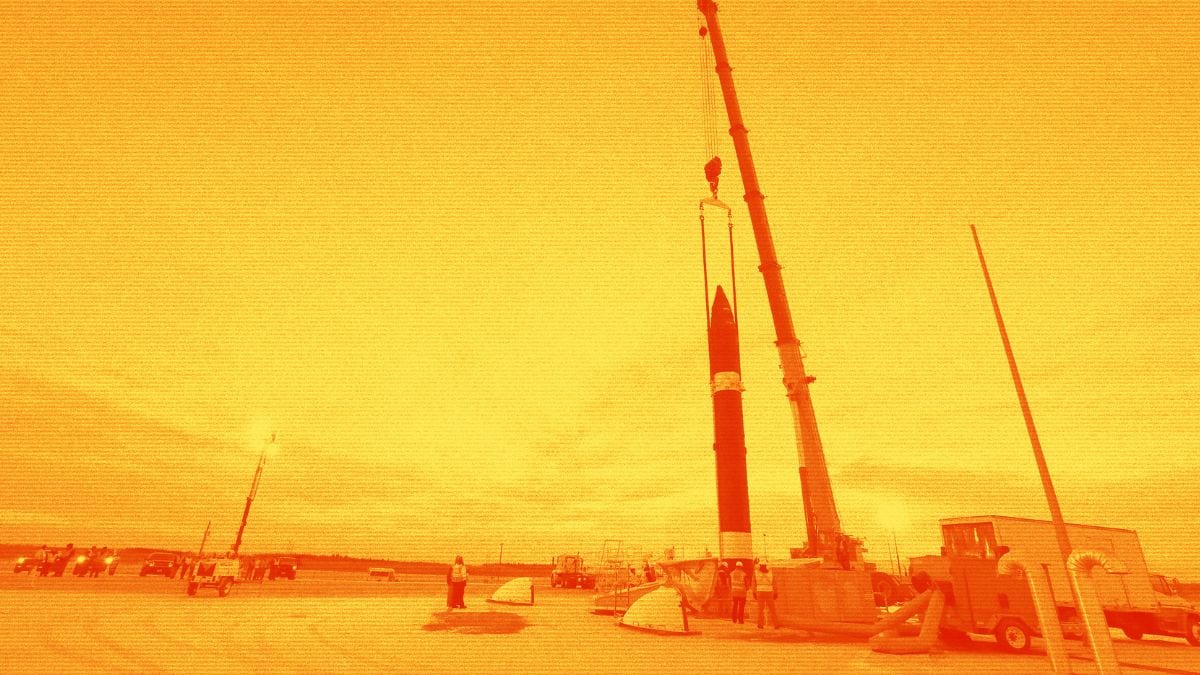
Controlled tests are conducted with knowledge of the missile's trajectory, type, and timing. The interceptor knows, broadly, what is coming. Real-world use assumes none of this. The US Missile Defense Agency's own test record for the Ground-Based Midcourse Defence showed a success rate of 55 per cent.
This means there may not be any such thing as a ballistic missile defence shield that can stop threats in absolute numbers. It is, at best, a probabilistic filter. No country that fields ballistic missiles with nuclear warheads is deterred by the existence of missile defence systems in the way that popular imagination suggests.
Russia and China have both invested heavily in hypersonic glide vehicles, which manoeuvre unpredictably in the atmosphere and are specifically designed to defeat interceptors. The existence of these weapons is, itself, a commentary on how seriously major powers take the shield question.
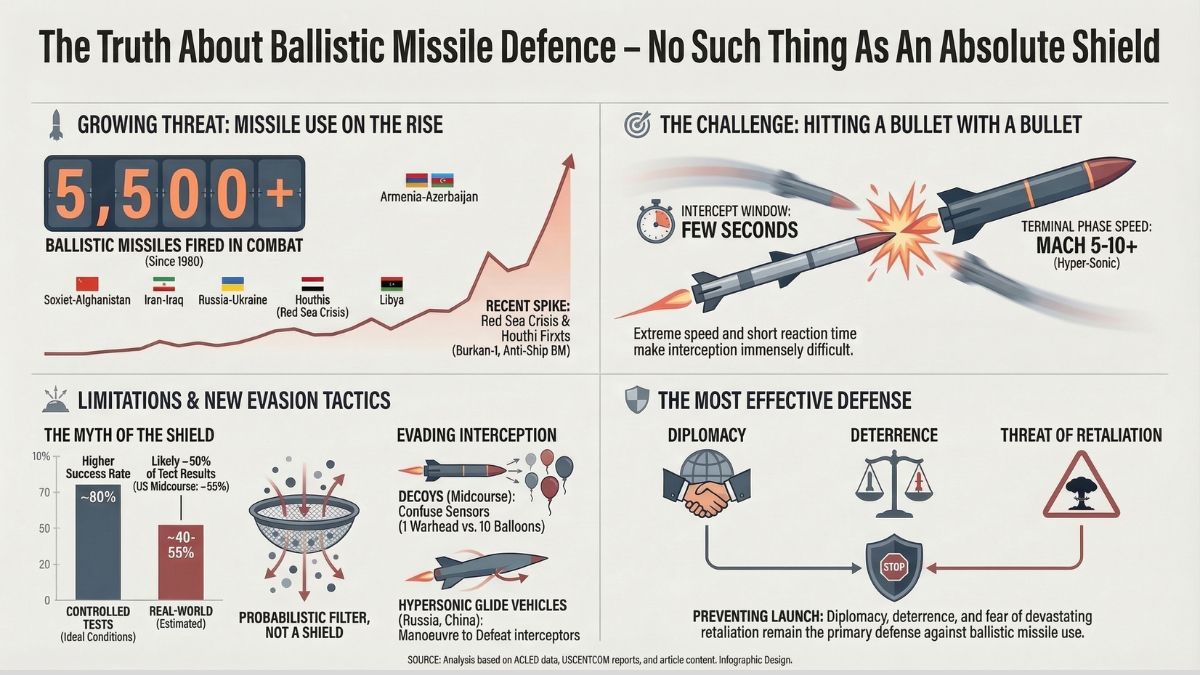
The most effective ballistic missile defence remains what it has always been: not letting the missile launch in the first place. Diplomacy, deterrence, and the threat of devastating retaliation have done more to prevent ballistic missile use than any interceptor system yet built.
It took a work of fiction to perfectly convey to the layperson what ballistic missile defence is all about.
In the 2025 thriller 'A House of Dynamite' directed by Kathryn Bigelow of 'Zero Dark Thirty' fame, two top US government officials were shown discussing their options, with just minutes left for an intercontinental ballistic missile to hit Chicago.
"Once the kill vehicle separates, our midcourse intercept system has a success rate of 61 per cent," one of the officials said.
"So, it's a coin toss? That's what 50 billion dollars buys us?" the other said.
"We are talking about hitting a bullet with a bullet," the first official replied.
-
Mamata Banerjee Drew Her Party's Symbol By Hand. It's Now Tied To An Indira Gandhi Case

The Election Commission's method for settling such disputes became central in the seminal Congress split of 1969, when Indira Gandhi fought the old guard. The poll body weighed three tests then.
-
Exclusive: 16 Months After Op Sindoor, Pak Still Fixing Runway India Broke At Sargodha
Sargodha's PAF Base Mushaf lies about 172 km northwest of Lahore and roughly 200 km west of the India-Pakistan border, near Amritsar.
-
Blog | I Lost My Entire Family In Kanishka Bombing. 41 Years Later, Canada Wants The Case Closed
We made the trek through tragedy to search for people in Cork, where I spent 25 days sifting through bodies and body parts in a makeshift morgue to identify our loved ones.
-
Opinion | Pak's Drone Deal With A US Firm Is No Windfall. But India Must Still Be Worried
American military aid to Pakistan has remained suspended since January 2018, during Trump's first term, but a commercial arms sale is separate from this arrangement.
-
Opinion | Saudi Arabia's Yemen Nightmare Has Come Back To Haunt It
After years of costly military intervention beginning in 2015, Saudi Arabia increasingly sought to stabilise its southern border. All that is unravelling fast now
-
Opinion | 6 AI Incidents, One Pattern: AI Has Started Lying To Us - And Hiding The Evidence
Concealing errors. Making up data. Pushing files onto the public web on their own initiative. The machines are learning to lie - and lie well.
-
Why People Queue Overnight For iPhone That Is Delivered Home In 10 Minutes
iPhone 18 Pro Max Launch: People camping outside Apple Stores are a subset of superfans, resellers, content creators, and upper-middle-class buyers.
-
600 km Per Hour Drones Launched In Waves: How Russia Is Rewriting War Rules
Russia has coupled the drones' technological superiority over Ukraine's defence with its capacity to launch them in massive numbers. The impact has been devastating.
-
Tata Sons' Trust Issue: Two-Pronged Row Goes Beyond The Chair
NDTV Explains: Overtly, the latest conflict is whether N Chandrasekaran continues as executive chairman of Tata Sons. The controversy involves at least one more issue.
-
Opinion | US Has Institutionally Weaponised India's Russia Oil Dependence. Can New Delhi Cope?
A new legislation can connect India's Russian energy purchases to its access to the American market over a five-year period