Europe's Different Yardsticks To Judge Events In Venezuela And Ukraine
Russia has called the US strike on Venezuela and the subsequent capture of Nicolas Maduro an act of armed aggression
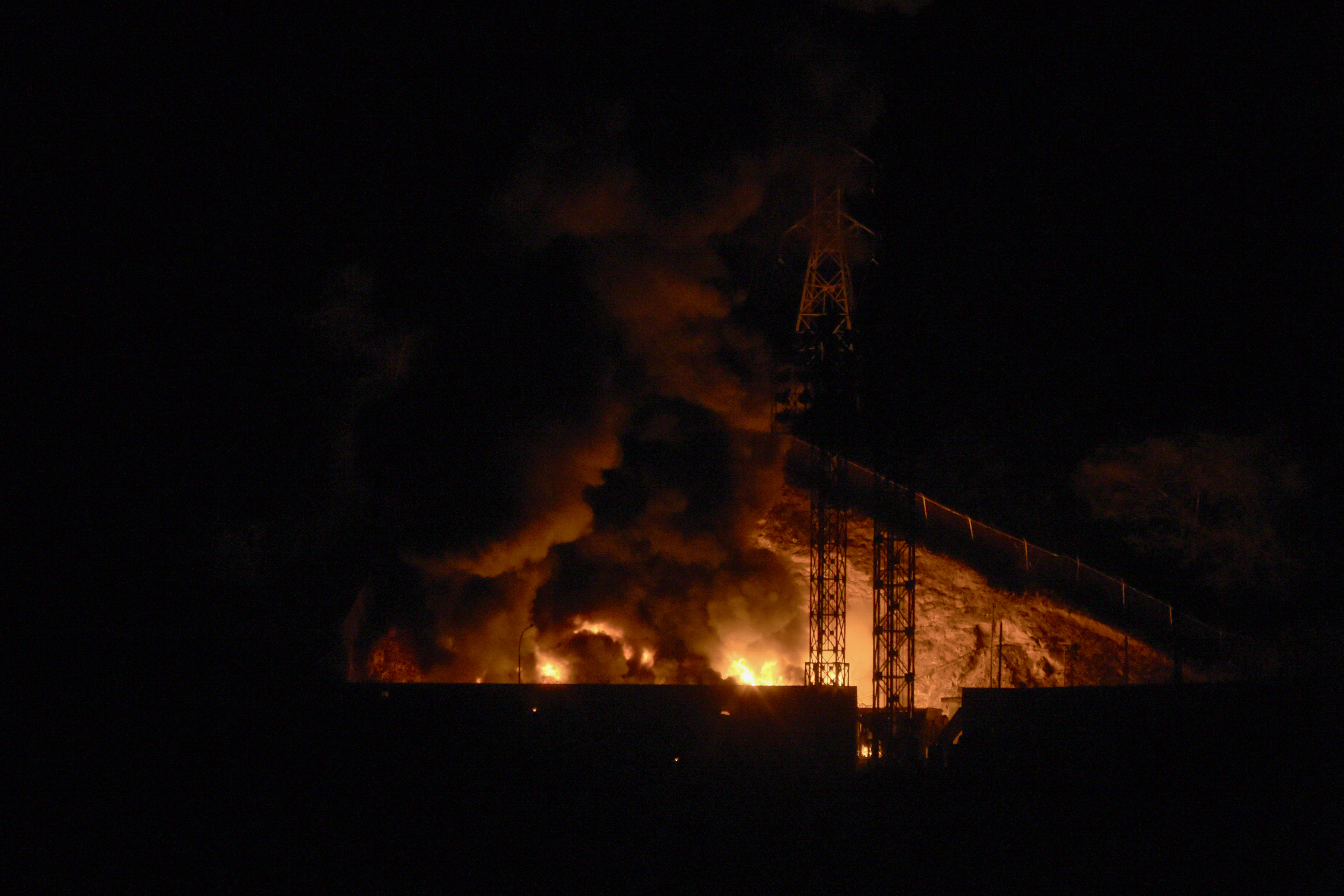
Europe's silence on the nighttime US military raid in Venezuela's capital Caracas that led to the capture of President Nicolas Maduro has drawn criticism over applying different yardsticks to controversial acts including declaration of war by nations.
European nations and the North Atlantic Treaty Organisation (NATO) have been harsh in their condemnation of Russia over its Ukraine move. They have used terms such as "Russian invasion" and "Russian aggression" to describe the entire conflict.
Europe has not limited itself to giving condemnation and sharing solidarity; it has given weapons to Ukraine to kill Russian forces. Other interventions include imposing swift, coordinated sanctions on Russia to hurt its economy.
The West has not stopped its call for complete withdrawal of Russian forces from Ukraine, and has on more than one occasion branded Russian President Vladimir Putin a "war criminal".
Look at the statements by Britain's Prime Minister Keir Starmer on the conflict in Ukraine. He has attacked Russia using terms like "unjustified aggression" and "flagrant violation of international law".
The European Union's (EU) foreign policy chief Kaja Kallas called Russia an "evil" that "must be defeated". Kallas also termed Russia's move a clear violation of the UN charter.
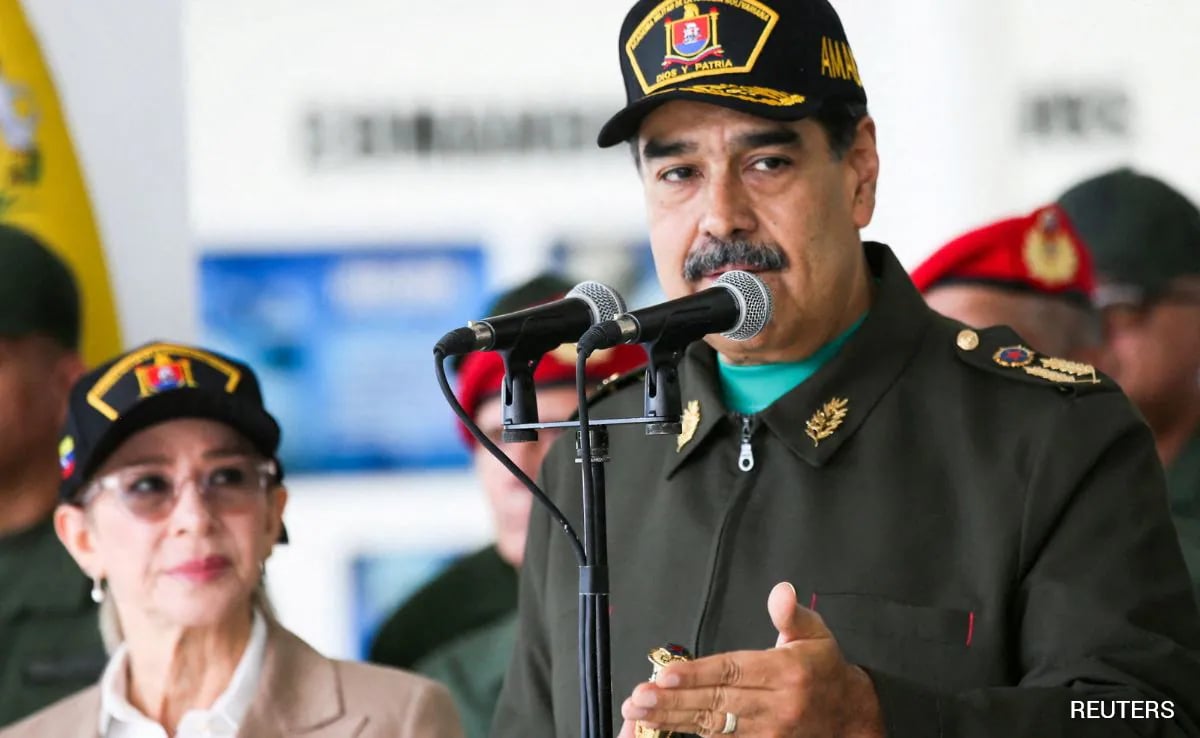
When it comes to the US action on Venezuela steered by President Donald Trump, leaders from the EU and the West, however, appear not to see any largescale violation of the UN charter. They have led to these questions: can a nation send its military to another sovereign State and capture its president? Wouldn't this be a declaration of war? What if Venezuela was a nuclear power?
The EU's reaction on the American military raid in Venezuela is much milder than how it responded to Ukraine. The evidence is out there.
First, the EU has given a meek response to Trump's policy on Venezuela. Second, its call for respecting international law is markedly muted. Third, the EU, without anyone having said anything adverse against it, went on to deny its explicit involvement in the Venezuela operation. And fourth, it has given generic statements: "monitoring the situation", "calls for transition", and "Maduro's lack of legitimacy."
The EU's Kaja Kallas, whose scathing criticism of Russia over Ukraine is well-known, has used these words on the US raid on Venezuela: restraint, respect UN charter, and Maduro's "illegitimacy".
British Prime Minister Starmer's response to Venezuela was measured, but definitely mild compared to what he said about Russian action in Ukraine. These are some of the words he used to refer to Trump's Venezuela move: "establishing the facts", "international law must be upheld", "UK is not involved", and "shed no tears for Maduro."
The entirety of the EU and Western reactions are neatly tied up by Ukraine in a single place with its announcement that it doesn't recognise "the Maduro regime".
"Ukraine has consistently defended the right of nations to live freely, free of dictatorship, oppression, and human rights violations. The Maduro regime has violated all such principles in every respect. Democratic countries and human rights organisations across the globe have emphasised his regime's widespread crimes, violence, torture, oppression, abuse of all basic freedoms, stolen votes, and destruction of democracy and the rule of law," Ukrainian Foreign Minister Andrii Sybiha said.
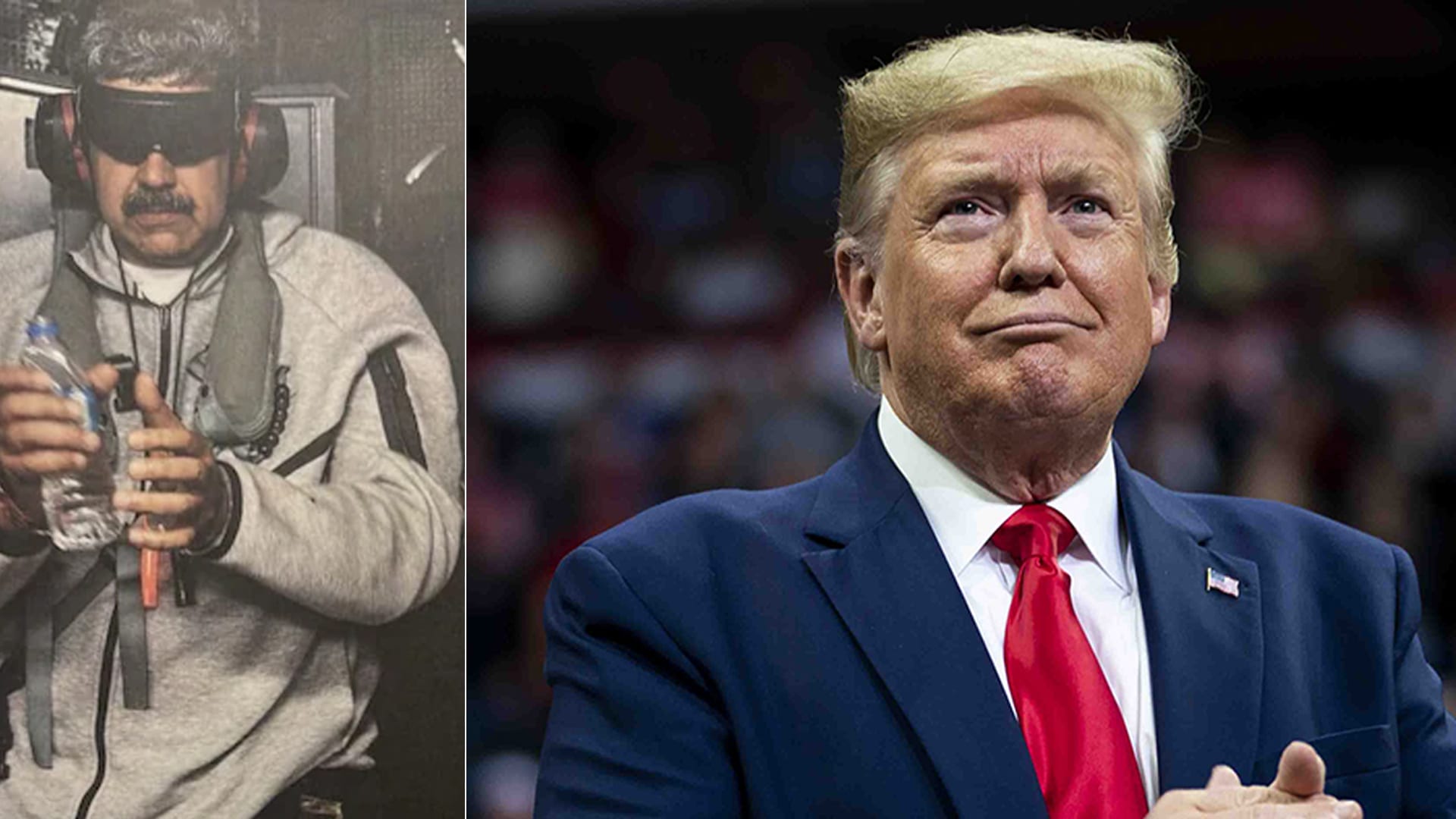
"Ukraine has not recognised Maduro's legitimacy following rigged elections and violence against protestors, along with dozens of other countries in different parts of the world. The people of Venezuela must have a chance for a normal life, security, prosperity, and human dignity. We will continue to support their right to such normality, respect, and freedom," he added.
The Russian Foreign Ministry has called the US strike on Venezuela and the subsequent capture of incumbent Maduro as an act of armed aggression and said that the pretext used to justify the action is untenable. China has strongly condemned the action.
The biggest casualty is that the rule-based system that necessitated the creation of international bodies like the UN itself in the first place has been compromised, geopolitical analysts say.
Article 2(4) of the UN Charter, which is a foundational principle, says: "All members shall refrain in their international relations from the threat or use of force against the territorial integrity or political independence of any state, or in any other manner inconsistent with the purposes of the United Nations."
-
"Not Mature": Mayawati Pushes Nephew Akash Anand To The Margins Again. What It Means For BSP

Akash Anand, the 31-year-old foreign-educated nephew of BSP boss Mayawati, finds himself out of favour, for at least the third time in three years, with the latest turn coming in Lucknow on September 3.
-
Opinion | Indus Treaty, Hague, And Pakistan's Endless Search For Leverage Over India
If the IWT survived all the trials in the past, it is because India's threshold of tolerance had been unusually high. But Pakistan must know that it can't arm-twist India through international pressure.
-
Opinion | Nepal's 'Climate Compensation' Pitch Is Valid, But Its Demand From India Isn't
Nepal's vulnerability gives it a claim on multilateral climate finance. It does not follow that India bears responsibility for this.
-
Opinion | India Wants A 6th-Generation Fighter. But A Lot Could Go Wrong
India might just be building too many fighter jets to focus on any one of them well. A recalculcation is needed.
-
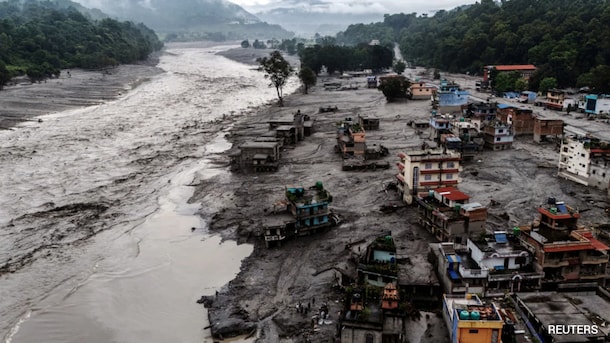
Reporter's Diary | Worse Than War: An Aerial View Of Nepal's Trishuli River Valley Tragedy
In many ways, reporting on natural disasters is far more harrowing than covering modern war
-
Opinion | China's Quiet Power Grab Is Hiding In Plain Sight
China's greatest advantage may be neither its military nor its markets, but a world too distracted to see what it is building.
-
Opinion | The Indian Investor Has A New Problem: An SIP That Does Nothing
You keep doing everything right. So why aren't your stocks paying off, even as your investments rise?
-
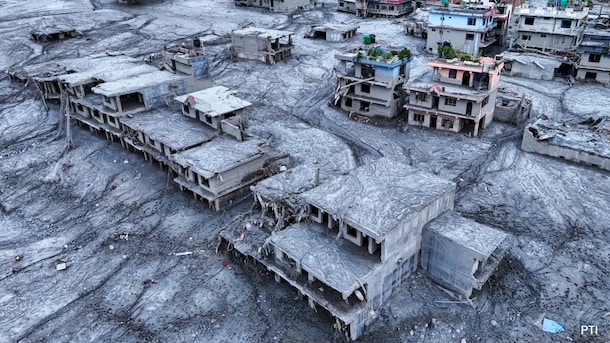
The River Took It All: Aerial Visuals From Nepal Show Scale Of Catastrophe | NDTV Exclusive
Visuals from a helicopter showed narrow gorges now flattened and widened into valley-like spreads, with rocks, debris, mud, and bodies strewn across them.
-
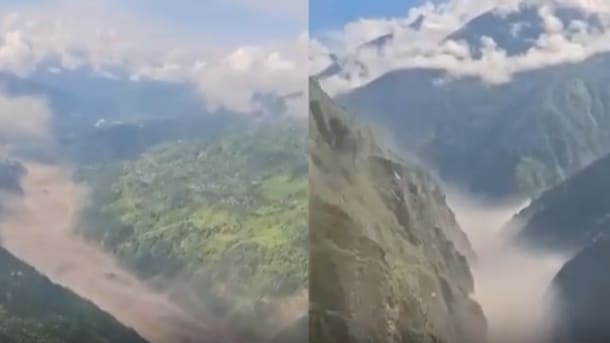
Before The Nepal Flood, A Glacial Fall: Tracing The Trigger, And A 100-km Killer Surge
A glacier came off a ridge on the Nepal-China border and travelled 100 km down multiple rivers, the longest part of the run being in the Trishuli.