The Real-Life Rehman Dakait And The Pak Town That Spawned Him
Rehman Dakait, who virtually ruled over Lyari, a barely developed town in Pakistan's Karachi that has now made headlines in India, thanks to Dhurandhar.
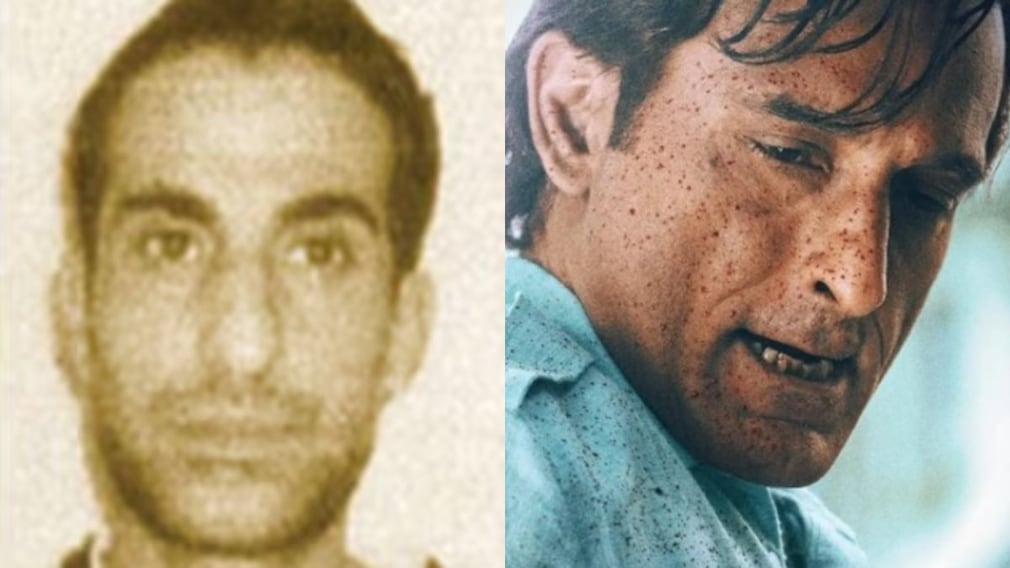
Black Pathan suit, black blazer, and black shades -- Akshaye Khanna, playing Baloch gangster Rehman Dakait in Aditya Dhar's Dhurandhar, walks into the frame and owns every moment in a dance scene that has now gone viral. Such is Khanna's screen presence that many miss the lead, Ranveer Singh, in the scene.
Truth is stranger than fiction, and the reality is often more shocking than its portrayal. While the violent scenes featuring Khanna grab attention, many claim that they pale in comparison with the real acts of Rehman Dakait, who virtually ruled over Lyari, a barely developed town in Pakistan's Karachi that has now made headlines in India, thanks to Dhurandhar.
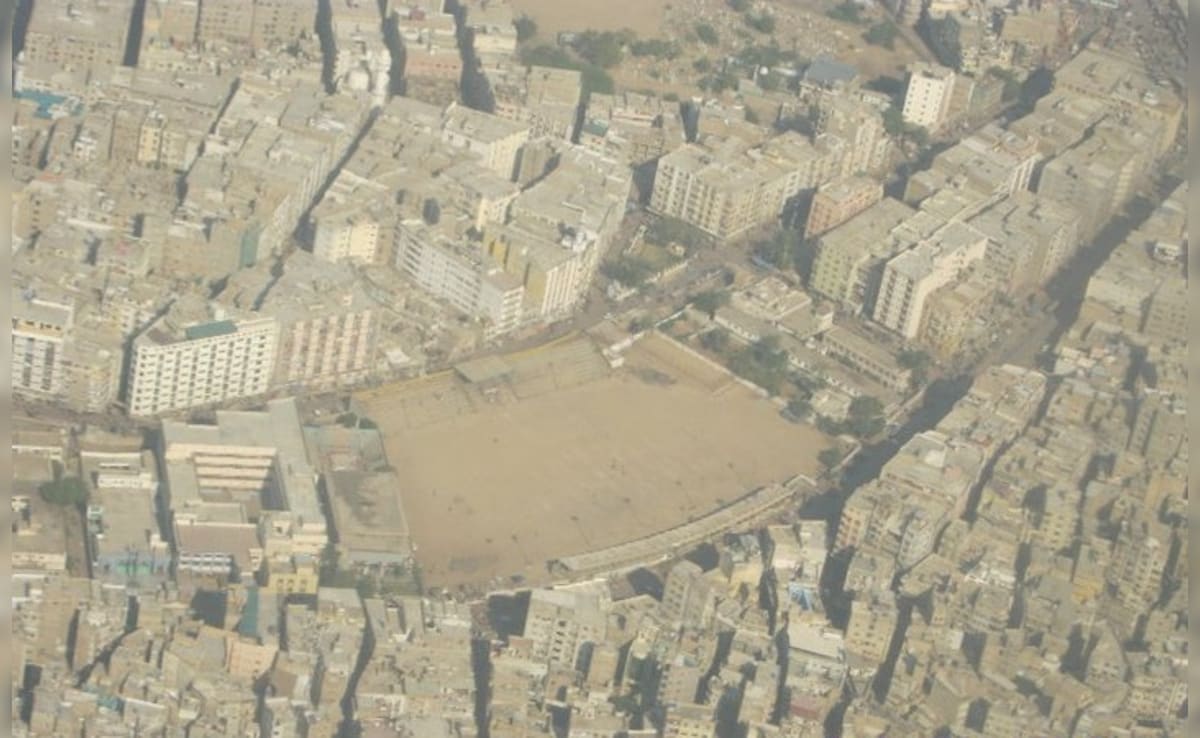
The World Of Lyari
Located along a tide of sewage, Lyari is among the most densely populated areas of Karachi. A settlement populated by Sindhi fishermen and Baloch nomads in the 1700s, it actually predates Karachi. Over time, other social groups have also become part of Lyari's population of about 9 lakh people (as per 2023 Census). Historically, this town has suffered administrative negligence as far as urban planning and civic amenities are concerned. Poverty and a lack of development turned it into a breeding ground for crime. Lyari has come to be known for its gangs and its gangsters, who have ruled it as their fiefdom. Over time, this reputation has been tempered, thanks to law enforcement efforts.
Interestingly, the name 'Lyari' comes from 'lyar', a tree that grows in graveyards. And the days of gang wars in this area have seen many graves. It is in this world of Lyari that Rehman Dakait was born.
The Rise Of Rahman Dakait
In 1980, a son was born to Dad Muhammad, a drug smuggler, and Khadija Bibi. The child, who would later call himself Sardar Abdul Rehman Baloch, started peddling drugs while still in his teens. At 13, he is said to have stabbed a man. Two years later, he allegedly murdered his mother, reportedly because she had links to a rival gang. Whether or not rumours of the matricide are true, Rehman's notoriety was on the ascent. His sinister crimes earned him the name Rehman Dakait. As Khanna says in Dhurandhar, "Rehman Dakait ki di hui maut badi kasainuma hoti hai."
According to an article titled 'Kingdom of Fear' in the Pakistani newspaper The Express Tribune, Rahman was leading a gang at the age of 21. "...Rehman was involved in extortion, kidnapping, drug smuggling, the sale of illegal arms and more. For nearly a decade, gang war left life paralysed in Lyari as Rehman and his gang battled it out with rival Arshad Pappu and his acolytes," the article states.
The Politics Entry
Rehman was not satisfied with ruling Lyari by fear. He forayed into politics. Lyari was a bastion of the Pakistan Peoples Party, founded by former Pakistan President late Zulfiqar Ali Bhutto and then by his daughter, late Benazir Bhutto. Press photos captured Rehman with former Home Minister Zulfiqar Mirza and in the proximity of Benazir Bhutto. There are also reports of political influence tying law enforcement's hands as far as Rahman was concerned. This, however, has been denied by top cops who have said there was no pressure on police.
Rehman's rise to power was fuelled by the political and administrative vacuum in Lyari. The lack of development and poverty in the area had given rise to local power centres such as Rehman. The Express Tribune quotes a PPP leader as saying, "Political personalities ignored Lyari. As a result, people like Rehman Dakait filled that gap. Unemployment was and still is a huge issue in Lyari. Rehman used to give boys daily wages and hand them a Kalashnikov and tell them to patrol the area, and these boys had no idea who they were firing at."
The Push For Legitimacy
Political influence through links to the dominant party did not satiate Rehman's appetite for power. He wanted direct control. He shunned Dakait, the name and reputation he once relished, and started calling himself Sardar Abdul Rehman Baloch. The name significantly mentioned his tribe, the Baloch. He mended relations with his rival gang and formed the People's Aman Committee in 2008. The People's Aman Committee initially appeared to be an ally of the PPP. There were rumours that he may contest an election. Asif Ali Zardari, Benazir Bhutto's husband and now President of Pakistan, would be guarded by gun-toting guards believed to be from Rahman's gang.
Maulana Abdul Majeed Sarbazi, who served as the chairman of the People's Aman Committee, told Express Tribune that Rehman's goal was peace and the advancement in Lyari. "Some people had created a situation in Lyari in which the Baloch nation was divided into two groups. Scores of innocents lost their lives in the gang war... Khan bhai felt that the fighting had to stop, he made a huge sacrifice; he went to meet his rival Ghaffar Baloch to come to a settlement. The idea behind setting up the People's Aman Committee was to bring an end to criminal activities."
An Encounter Death
Before he could ride the wave to political success, Rehman was shot dead in an encounter with police in August 2009. Sarbazi told Express Tribune that he has his doubts about the encounter. "The autopsy reports say that Rehman was fired at a distance of three feet. That's not how people die in encounters. It is extremely sad that when for seven years there was a fight going on between two groups no one interfered, and when things got better they killed Khan bhai. We don't understand why this happened or who was behind it."
Sources close to the PPP allege that the party's top leadership wanted Rehman out of the way. Their reasons range from "Rehman wanted political power" to "He was getting too big for his boots". Party leaders, however, trash this claim and say he was "too insignificant" for top PPP leaders such as Zardari.
There is another theory. Rehman was allegedly involved in selling arms to the Balochistan Liberation Army, and his killing was the result of a deal gone sour. As is the norm, in the years following Rehman's death, leaders of the PPP distanced themselves from this controversial name and even claimed that the party had no links with PAC.
Rehman Dakait lived for 29 years, but tales of his notoriety have endured in Lyari for decades, and have now crossed the border into Indian celluloid.
-
Opinion | The Problem With Trump's Fantasy Of A 'Crippled' Iran

Even a relatively insulated US economy cannot entirely escape the ripple effects of sustained disruptions in one of the world's most critical energy corridors.
-
Opinion | Trump's Iran War Is About To Become Someone Else's Problem Soon
Start alone, end alone - that may be the harshest lesson for Trump as he now tries to dash for the door in Iran.
-
What Happens If Iran War Actually Ends In 2 Weeks: The Challenges Ahead
Trump said the war could end in two weeks sans a deal to re-open the Hormuz. Analysts say it could take six to weight weeks more for oil flows to normalise, with each extra week of fighting adding seven to 14 days of recovery.
-
Opinion | Why 2 Gulf States Want Iran War To Continue - Even As They're Battered By It
If Trump withdraws from this war, the UAE, Saudi Arabia and other Gulf countries would be left to face the music alone, with an angrier, fiercer, and possibly more vengeful Iran.
-
Opinion | Why A 'Defeat' Is Now Essential For The Disoriented Left In Kerala
Power and arrogance have turned the Left in Kerala into what it once fought against. It now needs to lose its last bastion to cleanse itself of its maladies.
-
Opinion | On April Fools' Day, A Reality Check For US, Iran And The World
The paradox is this: Iran wins simply by surviving, while the US must achieve a far more overwhelmingly convincing result to claim success.
-
Opinion | Pakistan, And The One Big Difference Between 'Broker' And 'Mediator'
Neither Washington nor Tehran appears willing to invest Pakistan with the political capital required for mediation.
-
Houthis Threaten Strait No 2 As Iran War Expands. What It Means For India
Yemen's Houthi rebels have opened a second front in the Iran war, threatening Bab al-Mandab just as the Strait of Hormuz comes under pressure, and squeezing one of the world's most important oil corridors from both ends.
-
Europe Split Over Trump's Iran War, Spain Leads Defiance
Europe is sharply divided on how to view fighting in West Asia and subsequent pressure on the global energy trade, which has seen fuel and gas prices increases worldwide.

-
News Updates
-
Featured
-
More Links
-
Follow Us On
