Opinion | As UN Interviews Its Next Chief, The Interviewers Have Some Explaining To Do
On the panel sit governments whose wars, vetoes, and unpaid dues have helped make the organisation ineffective.
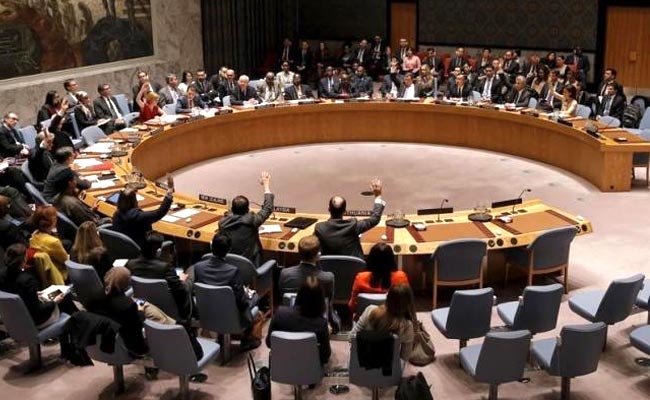
The race for the next UN chief is underway, with candidates facing a series of job interviews. On the panel sit governments whose wars, vetoes, and unpaid dues have helped make the organisation ineffective. When the General Assembly's annual debate opens on September 22, the interviewers should face some difficult questions too.
External Affairs Minister Dr Jaishankar is leading the Indian delegation. India is not on the Security Council and has no vote in its recommendation for the next Secretary-General. It participates in the Assembly's formal appointment. Its concerns extend to how the UN works, who it serves, and whether powerful states will accept the restraints they demand of others.
According to the UN Secretariat, 73 heads of state and 45 heads of government are expected. Governments continue to come to New York because the UN offers access to almost the entire international community. Attendance alone is not achievement. The gathering has become increasingly detached from many of the crises it discusses.
The Ever-Elusive Reforms
India and much of the Global South have strong reasons to seek reform. The existing order gave them too little say and allowed its strongest members considerable freedom to bend the rules. The most powerful members have too often cited the UN Charter when it suits them and ignored its obligations when it does not. The UN is weakened, cash-strapped, and used selectively by great powers. Its agencies feed, shelter, and count the victims, even when its diplomacy cannot alter the war. Its institutions helped newly independent countries organise, advance some common demands, and at times challenge powerful states. India has an interest in preserving those gains and giving more countries a meaningful share in decisions.
The UN's diplomacy has made little headway in Ukraine or in easing the crisis around Iran and the Gulf. Funding cuts have taken roughly one in five peacekeepers out of the field. Millions who depend on UN relief are getting less of it.
Gaza shows how the Security Council's authority can be used without giving the UN a central role. Washington obtained Council backing for its peace plan and the Board of Peace, then largely excluded the UN from decision-making. Reconstruction has stalled while Palestinians have little control over their future.
Some of the damage is self-inflicted. Too often, caution at the top and turf battles inside the system slow the UN down. Governments then turn elsewhere for help with difficult negotiations, even when UN agencies are involved. In some conflicts, however, the UN still has the presence and standing to make diplomacy possible where other intermediaries struggle.
Where Is Xi?
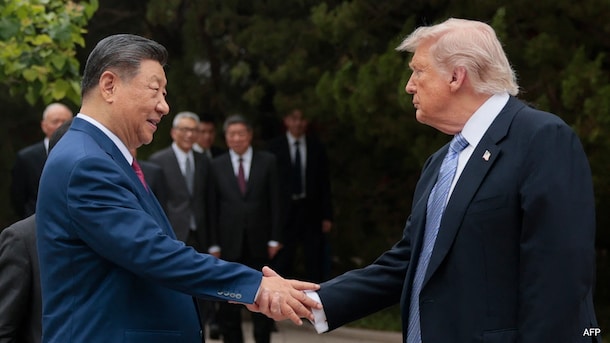
Multilateralism is not proved by speeches alone. Xi Jinping last attended the annual Assembly gathering in person in 2015. He is expected in Washington during this year's Assembly week, without appearing at the UN. China's advocacy of the UN's centrality would carry greater conviction if its president also made time for the gathering where the rest of the world is converging to express its views.
The 2026 budget cut spending and provided for the abolition of 2,900 posts. The danger is that economies made in New York will be felt most sharply in the field. Recent American payments have brought relief, though substantial arrears remain. Withholding money lets Washington restrict the UN's work without securing agreement to change what the organisation is meant to do.
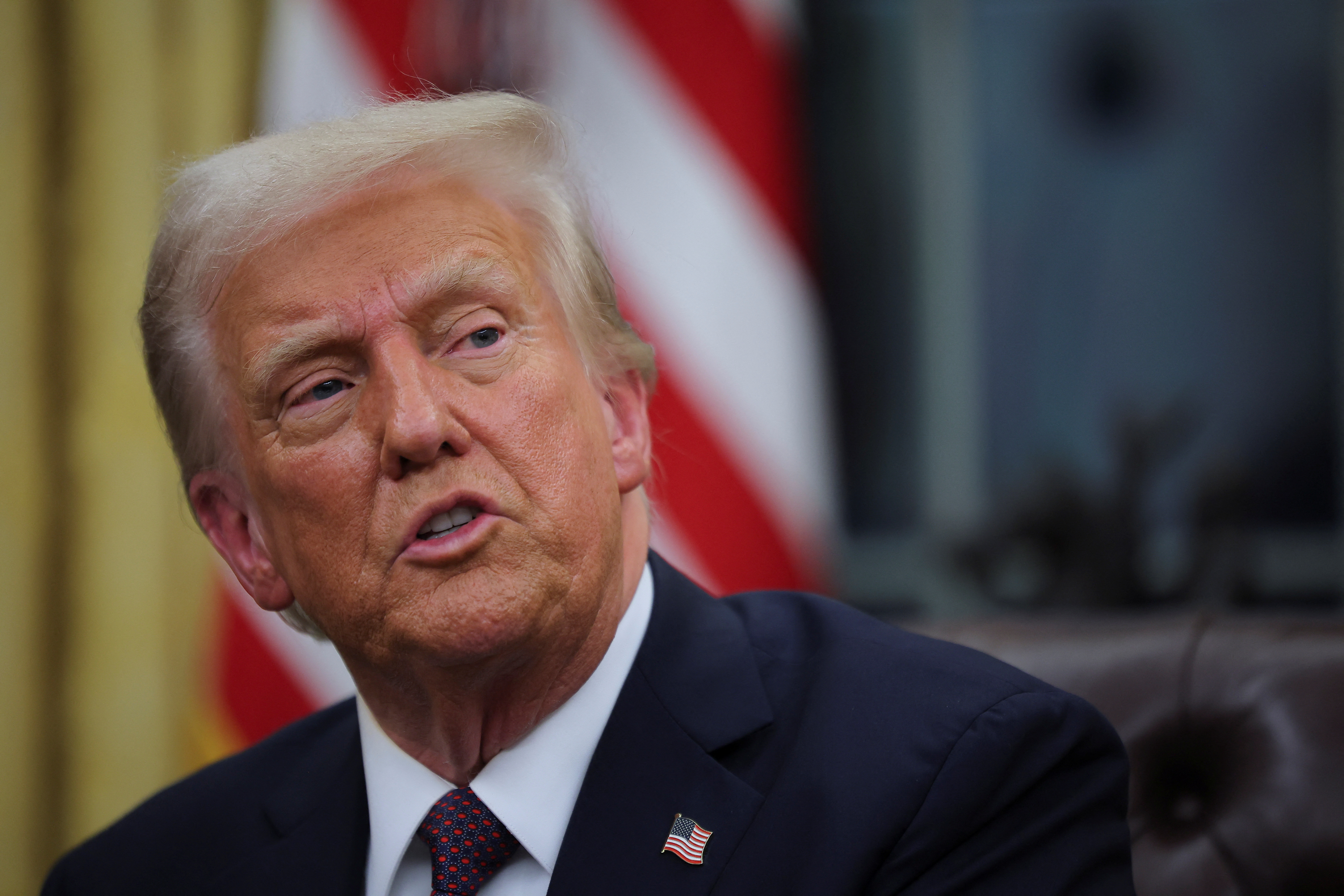
Although Trump directed US withdrawal from thirty-one UN entities in January, Washington remains engaged across much of the UN, with a preference for a narrower focus on peace and security.
For many developing countries, peace and security are inseparable from development. Food prices, energy costs, debt, climate stress, and access to technology, all matter. These pressures can weaken states and deepen inequalities within and between countries. A UN limited to responding after crises erupt would have fewer tools to prevent them in the first place.
A Concentrated Body
India is contesting a non-permanent Council seat for 2028-2029 against Tajikistan. Seeking support for that is likely to feature in Dr Jaishankar's meetings. The bid carries a bigger argument: council reform, fairer representation in global institutions, opposition to unilateral sanctions, and a voice in AI rule-making all rest on one claim. Countries affected by rules should help write them. Decisions about AI will help determine how power is distributed. India should press for wider participation in decisions about its development, use, and risks. Two powers and a handful of companies cannot adequately represent those interests.
Guterres leaves in December. Three rounds of informal Council polls have placed two women from Latin America and the Caribbean among the strongest contenders: Costa Rica's Rebeca Grynspan and Guyana's Carolyn Rodrigues Birkett. That creates an opening for the UN's first woman chief. No successor has been agreed upon, and any permanent member can still block a candidate.
The candidates will be scrutinised closely. The tougher interview belongs to the governments choosing them. Will they pay what they owe, honour their obligations, and allow the next UN chief to act as more than a secretary to the powerful?
That is the UN's real job interview.
(Syed Akbaruddin was a Permanent Representative of India to the UN and now serves as Dean, Kautilya School of Public Policy)
Disclaimer: These are the personal opinions of the author
-
Opinion | Trump-Xi Meet: What China Can Give America, And What India Could Lose

If Trump can secure some of what he wants directly from Beijing, India's immediate value to Washington could change in particular areas.
-
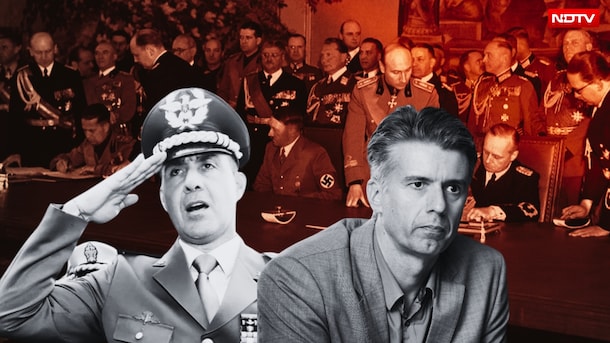
A New 'Axis'? 87 Years After Pact Of Steel, A New European Far-Right Tie-Up
Nearly nine decades after Nazi Germany and Fascist Italy formalised their alliance, senior figures from Germany and Italy's far-right appeared together at a political rally on Sunday.
-
Opinion | 'Blackmail' Diplomacy: Why India Can't Be A Pawn In US' War On Russia
The new sanctions bill is both blackmail and hypocritical: blackmail because it seeks to change India's principled stand, and hypocritical because the US has provided exemptions to others, and itself.
-
Blog | Katrina Kaif, And The Very Indian Problem Of Too Much 'Audacity'
The remarkable thing about many Indian trolls is not that they have opinions, but that they expect - get this, Katrina Kaif, no less - to care about them.
-
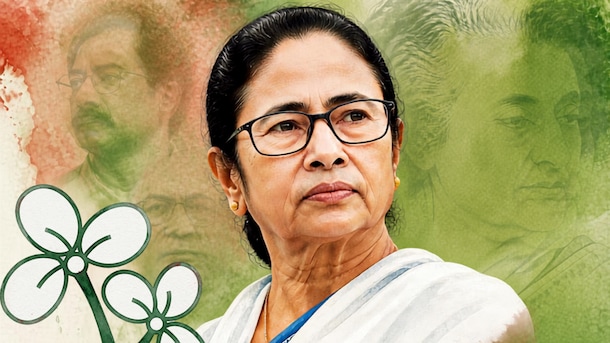
Mamata Banerjee Drew Her Party's Symbol By Hand. It's Now Tied To An Indira Gandhi Case
The Election Commission's method for settling such disputes became central in the seminal Congress split of 1969, when Indira Gandhi fought the old guard. The poll body weighed three tests then.
-
Bruised, Limping, Unbowed: Sia Says She Will Be Back On The Bike Soon
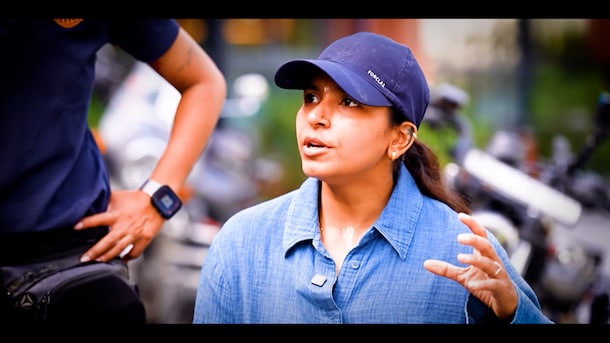
There was pain in Sia's steps, anger in her words, and something else - a quiet determination that the road would not be taken away from her.
-
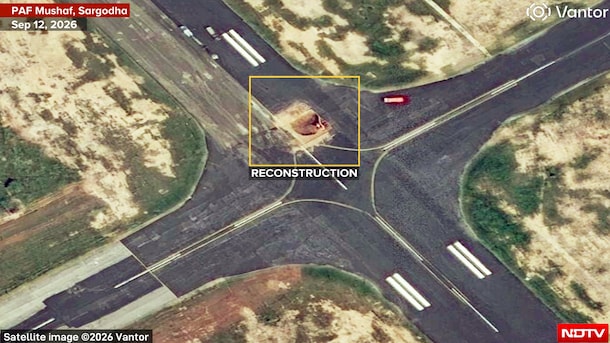
Exclusive: 16 Months After Op Sindoor, Pak Still Fixing Runway India Broke At Sargodha
Sargodha's PAF Base Mushaf lies about 172 km northwest of Lahore and roughly 200 km west of the India-Pakistan border, near Amritsar.
-
Blog | I Lost My Entire Family In Kanishka Bombing. 41 Years Later, Canada Wants The Case Closed
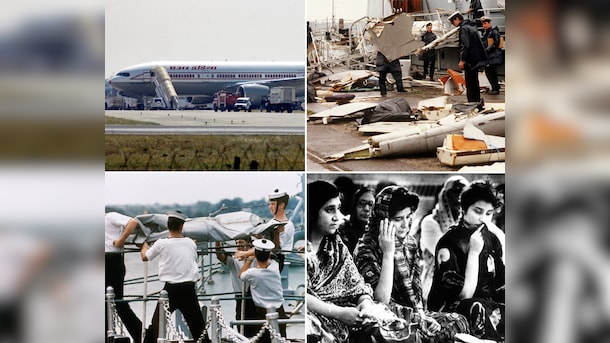
We made the trek through tragedy to search for people in Cork, where I spent 25 days sifting through bodies and body parts in a makeshift morgue to identify our loved ones.
-
Opinion | Pak's Drone Deal With A US Firm Is No Windfall. But India Must Still Be Worried
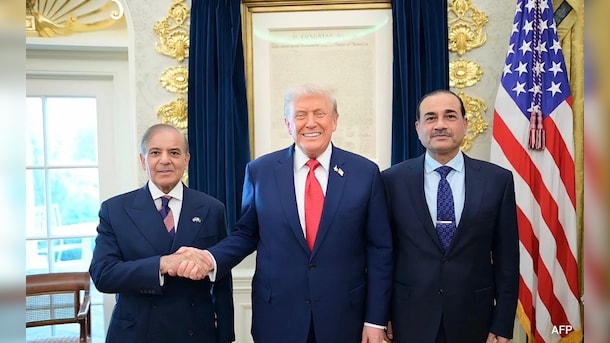
American military aid to Pakistan has remained suspended since January 2018, during Trump's first term, but a commercial arms sale is separate from this arrangement.
-
Opinion | Saudi Arabia's Yemen Nightmare Has Come Back To Haunt It
After years of costly military intervention beginning in 2015, Saudi Arabia increasingly sought to stabilise its southern border. All that is unravelling fast now