Opinion | The Iran Paradox: 2 Things That Can Derail The Peace Process
The possibility of talks extending for months and years on two crucial issues may turn this 'roadmap' into a never-ending saga.
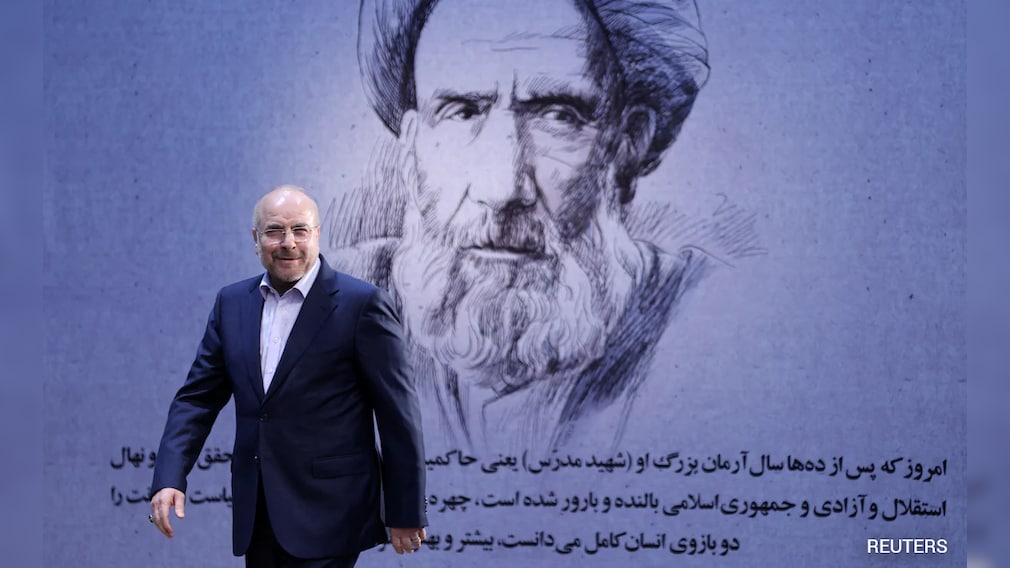
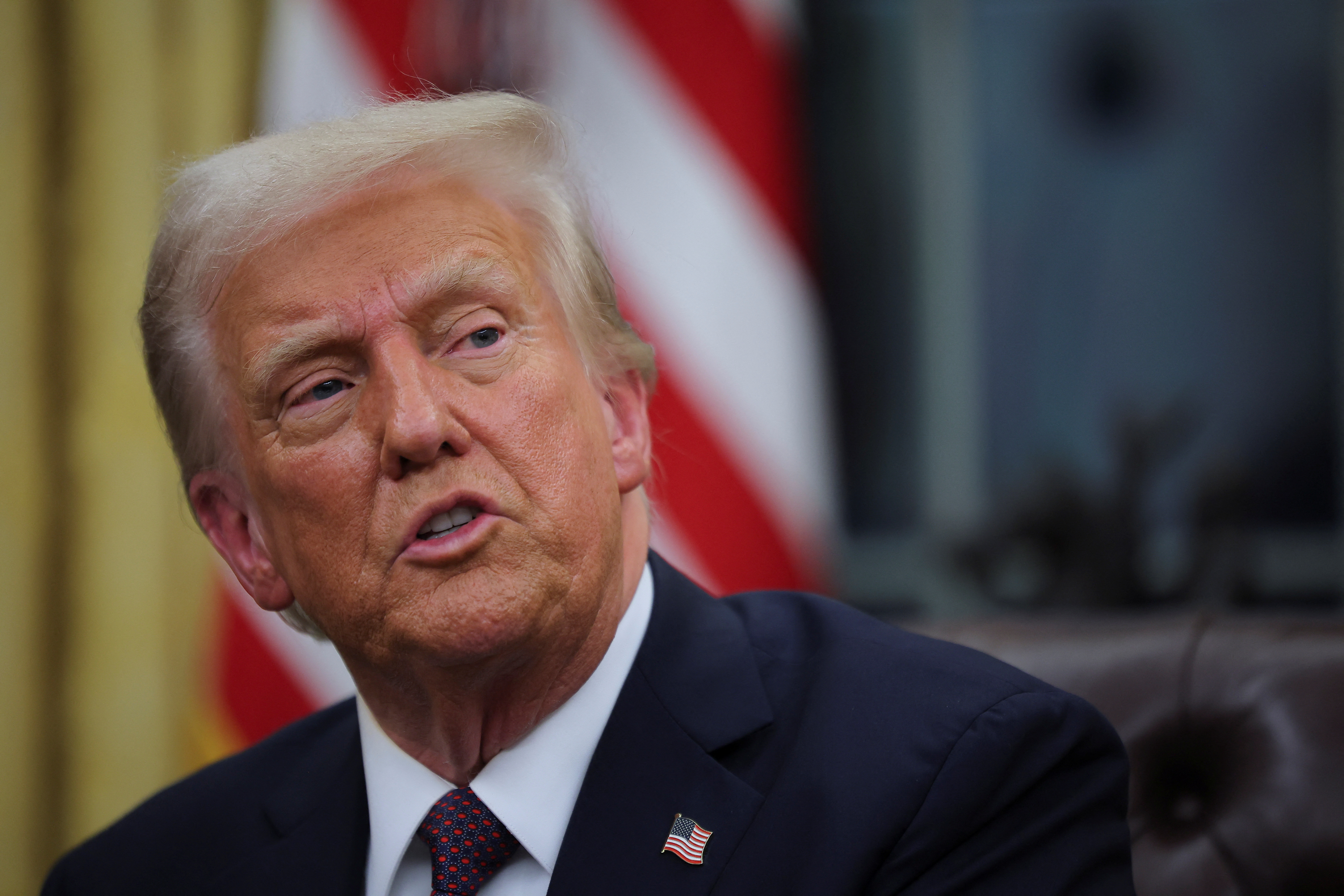
The US-Iran peace process is well and truly on. In accordance with the provisions of the 14-Point MoU that was signed on June 16, the first round of talks were held in Burgenstock, Switzerland, on June 22. It resulted in the agreement for a roadmap of 60 days, which involves many confidence-building measures before the really tricky issues are discussed and agreed upon. Coming in the backdrop of many doubts and apprehensions if and when the talks will take place, mainly due to the continuing ceasefire violations in Southern Lebanon and the occasional threat from President Trump of restarting the war and bombing Iran, this roadmap is indeed a welcome step. However, the bigger question is not the the roadmap itself but whether it can finally lead to an acceptable deal that can ensure lasting peace in the region, battered by war and instability for almost three years since the outbreak of Gaza war in October 2023.
The Roadmap
The roadmap is a follow-up of the 14-Point MoU, which was digitally signed by President Trump and President Pezeshkian on June 16. It calls for the formation of a high-level committee for political oversight, technical working groups on nuclear and sanctions issues, and a dispute resolution mechanism. It provides for a communication line to be established between parties, especially Iran and the US, to ensure safe passage for commercial vessels through the Strait of Hormuz - a key provision of the 14-Point MoU. Some of the other key provisions of the roadmap are:
- A de-escalation and monitoring unit will also be created to ensure compliance of the ceasefire and the cessation of military operations in Lebanon.
- Iran to receive sanctions waiver from the US Treasury Department to sell crude oil, gas, and petrochemical products freely for a period of 60 days, up to August 21, 2026.
- An agreement with Qatar regarding the release of Iran's frozen assets.
- A working group on nuclear file, which will commence talks on the future of Iran's nuclear programme. It also involves Iran permitting IAEA inspectors to return to the country provided that other critical conditions as per clauses 1 (Lebanon ceasefire), 4 and 5 (Strait of Hormuz), 10 (removal of sanctions on oil sales) and 11(unfreezing of Iranian funds and assets) of the MoU have been implemented.
Why A Deal Is Still Elusive
The MoU and the roadmap are already facing severe criticism both in the US as well as Israel. Many are terming it as America's abject surrender to Iran, while most are questioning the whole purpose of the war if at the end of it, Iran had to be awarded with revocations of sanctions and unfreezing of funds and assets. More importantly, the MoU terms clearly indicate that none of the two primary objectives of the war in Iran, ie., complete destruction of its nuclear programme or its ballistic missiles programme, has been achieved. On the third implied (or desired) objective of regime change in Iran, the outcome of the war has been contrary to the intentions. Not only has the regime survived but the war has cemented the hold of the regime in Iran, with an added factor of the Revolutionary Guards having tighter control over critical issues, as well as an elusive Supreme Leader who may well turn out to be more hardline than the previous one.
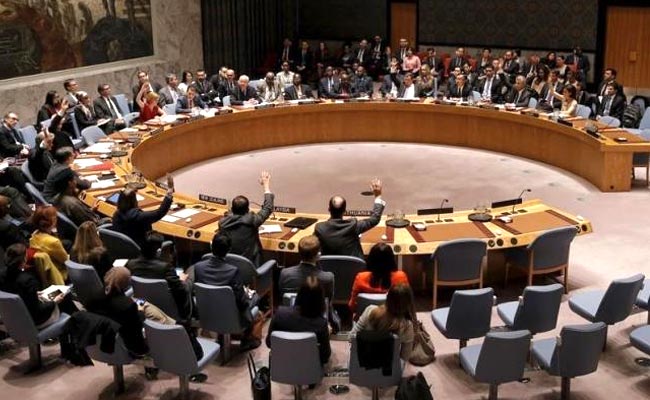
Precedents of previous deals and MoU do not inspire confidence either. Most recent is the 'Board of Peace' in Gaza. Established under the chairmanship of President Trump himself, it may have ended the war in Gaza formally. But little has moved beyond it. Despite the '20-Point Plan' that laid out the charter for peace and was formally endorsed by the UN Security Council on November 17, 2025 (UNSC Resolution 2803 of 2025), not much has moved.
Even though Phase-1 of the Gaza ceasefire was largely successful in returning all hostages back to Israel and pulling back Israeli forces to the 'Yellow Line', it is the Phase-2 that was more critical to the future of Gaza. That had three vital components. The first is the establishment and positioning of the International Stabilisation Force (ISF), second is the disarming of Hamas and demilitarisation of Gaza, and third is the governance of Gaza by a technocratic, apolitical Palestinian committee, with oversight and supervision by the "Board of Peace". However, all that remains on paper.
Israel continues its operations in the Gaza strip with impunity, Netanyahu has called for expansion of territory in Gaza under Israeli control from the current 53% to 70%, and the officially reported toll of people killed in Gaza since October 10, 2025 (the day ceasefire came into effect) has crossed 1,000. Also, there is neither any clarity nor consensus on the provision of troops by partner countries for the International Stabilisation Force (ISF) in Gaza, which is to be led by Major General Jasper Jeffers from the US. Plus, of the estimated USD 20 billion required for reconstruction of Gaza, there is hardly any money in the kitty yet. The war in Gaza thus remains an unending saga of despair, frustration and human tragedy.
There is, therefore, the fear that the Iran peace process may face a similar fate. While it is clear that neither Iran or the US have any appetite for more war, the possibility of talks extending for months and years on two crucial issues - the nuclear and the ballistic missile programmes - may turn this roadmap into an unending saga.
The fear of the US and/or Israel reneging on a deal in the future also poses questions about the prospects of lasting peace. The previous two instances, of June 2025 - when Israel launched strikes into Iran just when US-Iran nuclear talks were progressing well - or February 2026, when Oman announced an agreement on key issues of nuclear programme between the US and Iran, do not inspire confidence. Also, the previous nuclear deal with Iran, signed in July 2015 and ratified by the UN Security Council, was unilaterally revoked by the US in May 2018 under President Trump's first term. All these precedents put into question not only the success of the roadmap but also the guarantees that a deal, if agreed upon, will actually endure.
The implementation of the roadmap has started in earnest, from both ends. The steady movement of ships across the Strait of Hormuz, the removal of sanctions on sale of Iranian crude oil and gas and the commencement of defreezing of Iranian money, offer hope. Iran's commitment to permit IAEA inspectors back into Iran along with reports of the Israel-Lebanon ceasefire holding for the past 48 hours, offers hope. However, the road ahead is anything but easy. The real test of the process will come about when the technical details on the nuclear file commence. The ballistic missile programme may not be part of the 14-Point MoU, but it is likely to crop up in the discussions later.
A war that started with the aim of bringing down the Iranian regime on its knees within days and weeks has finally ended in a stalemate, with Iran, ironically, emerging stronger than ever. Most of its demands have been incorporated into the 14-Point MoU, and, if implemented, it could result in the end of Iran's global isolation and the punitive western sanctions that it has endured for over three decades. Whether Iran uses this opportunity to build confidence and trust with its regional partners to ensure lasting peace and prosperity or ends up posing a greater threat to regional peace is perhaps the most vital factor that will define the success of the roadmap in the coming weeks and months.
(The author is a retired Army officer and a senior research consultant at Chintan Research Foundation)
Disclaimer: These are the personal opinions of the author
-
Opinion | As UN Interviews Its Next Chief, The Interviewers Have Some Explaining To Do

On the panel sit governments whose wars, vetoes, and unpaid dues have helped make the organisation ineffective.
-
Opinion | Trump-Xi Meet: What China Can Give America, And What India Could Lose
If Trump can secure some of what he wants directly from Beijing, India's immediate value to Washington could change in particular areas.
-
A New 'Axis'? 87 Years After Pact Of Steel, A New European Far-Right Tie-Up
Nearly nine decades after Nazi Germany and Fascist Italy formalised their alliance, senior figures from Germany and Italy's far-right appeared together at a political rally on Sunday.
-
Opinion | 'Blackmail' Diplomacy: Why India Can't Be A Pawn In US' War On Russia
The new sanctions bill is both blackmail and hypocritical: blackmail because it seeks to change India's principled stand, and hypocritical because the US has provided exemptions to others, and itself.
-
Blog | Katrina Kaif, And The Very Indian Problem Of Too Much 'Audacity'
The remarkable thing about many Indian trolls is not that they have opinions, but that they expect - get this, Katrina Kaif, no less - to care about them.
-
Mamata Banerjee Drew Her Party's Symbol By Hand. It's Now Tied To An Indira Gandhi Case
The Election Commission's method for settling such disputes became central in the seminal Congress split of 1969, when Indira Gandhi fought the old guard. The poll body weighed three tests then.
-
Bruised, Limping, Unbowed: Sia Says She Will Be Back On The Bike Soon
There was pain in Sia's steps, anger in her words, and something else - a quiet determination that the road would not be taken away from her.
-
Exclusive: 16 Months After Op Sindoor, Pak Still Fixing Runway India Broke At Sargodha
Sargodha's PAF Base Mushaf lies about 172 km northwest of Lahore and roughly 200 km west of the India-Pakistan border, near Amritsar.
-
Blog | I Lost My Entire Family In Kanishka Bombing. 41 Years Later, Canada Wants The Case Closed
We made the trek through tragedy to search for people in Cork, where I spent 25 days sifting through bodies and body parts in a makeshift morgue to identify our loved ones.
-
Opinion | Pak's Drone Deal With A US Firm Is No Windfall. But India Must Still Be Worried
American military aid to Pakistan has remained suspended since January 2018, during Trump's first term, but a commercial arms sale is separate from this arrangement.