Opinion | Pune Fort Murder, And The One Word That Could've Stopped It All
The gruesome killing of Ketan Agarwal and the death of Twisha Sharma last month raise questions about the rigid culture surrounding marriages in India
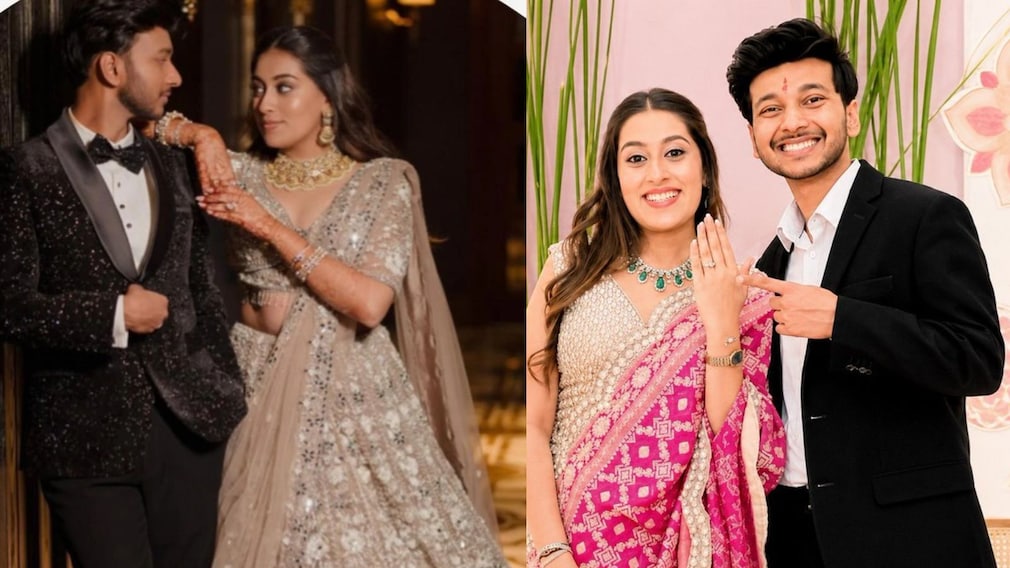
Another arranged marriage. Another dead spouse. Another nation pretending to be shocked. The names change. The genders change. The headlines don't.
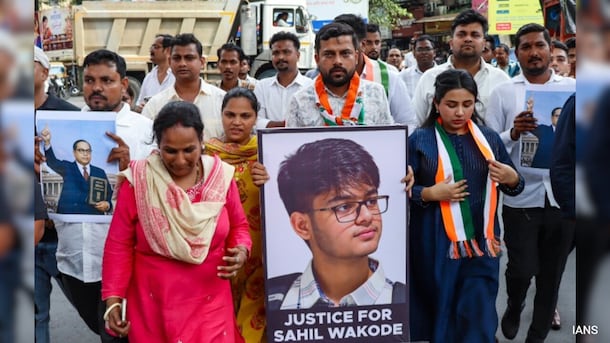
Last month, it was Twisha Sharma who succumbed to her marriage. This month, it's Ketan Agarwal. Before that, another husband. Another wife. Another fiance;. Another family insisting that "everything seemed normal".
None Of This Is Normal
No. Nothing is normal about a country where educated adults find it easier to lie, disappear - or even kill - than utter one simple sentence: "I don't want this marriage". All Siya Goyal had to do was say 'no' to the wedding. That sentence should have been enough. Instead, she resorted to cold-blooded murder.
But why?
'No' is a rather unwelcome word in India. For us, the institution of marriage is more than just sacred. We take pride in it as our tradition, our culture, even our strength. Families spend months comparing biodatas, matching horoscopes, discussing salaries, buying jewellery, booking banquet halls and, nowadays, posting those gawky sanitised reels. Every logistical detail is meticulously planned. Everything except the one question that actually determines whether a marriage should happen: Do these two people genuinely want to marry each other? Not "Are they willing?" Not "Have they agreed?" But, do they truly want this life together?
Those are very different questions.
Now none of this is to say that arranged marriages are inherently bad, or that cold-blooded killers must be absolved of their crime simply because they couldn't handle family pressure.
But the incidents raise questions about consent and why it's treated as secondary in Indian marriages. Consent is not the absence of protest. Consent is not silence. Consent is not saying 'yes' simply because disappointing your parents feels impossible. But this is precisely the kind of grey area countless marriages in India operate in.
Parents call it guidance. Children experience it as an obligation. The emotional pressure is rarely explicit. It is accumulated over years: "We've already told the relatives". "The invitations are printed". "Think about your father's reputation". "Your mother has sacrificed everything for you". "People will laugh at us".
By the time the wedding date nears, saying "no" is no longer a choice. Instead, it feels like detonating a bomb. No wonder we've gone from a nation priding itself on "chhat mangni, pat byah" to "chhat mangni, pat FIR". It's a shame.
So, people don't say no. They postpone difficult conversations. They continue secret relationships. They convince themselves they'll "adjust". They hope love will appear after marriage. They try to satisfy everyone except themselves. Sometimes, they resort to cold-blooded murder, too.
Violence Is The Headline, Not The Story
The institution of marriage then loses its sanctity, dignity and joy. It's no wonder then that a lot of these stories end in unhappy marriages. Abusive marriages. Adulterous marriages. Loveless marriages. Some end in divorce. A tiny, horrifying minority end in violence - like Ketan's.
The violence is the headline. The absence of consent is the story.
That is why every shocking murder inside a marriage should force us to ask an uncomfortable question - not merely about one individual, but about the culture surrounding marriage itself in India. Because coercion doesn't always look like force. Sometimes it looks like emotional blackmail. Sometimes it looks like guilt. Sometimes it looks like love wrapped inside obligation.
Somewhere between kundalis and caterers, we've forgotten that marriage is not a family project. It is the most intimate legal, emotional and financial partnership two adults will ever enter. Yet, in many Indian households, parents function like CEOs overseeing a corporate merger. They shortlist candidates, negotiate expectations, fix timelines and manage reputations. Remember, Giribala Singh? Ya, I know - we rather not, right?
The Real Decision-Makers
In the arranged marriage system, the bride and groom become stakeholders, not decision-makers. The same families who claim credit when marriages succeed simply cannot accept scrutiny or censure when the culture they create makes rejecting a proposal, or declaring a partner of choice, feel impossible. Every parent planning a wedding should ask their child one question in complete privacy - with no relatives, no pressure and no emotional consequences attached: If you say no today, will you still feel loved tomorrow?
If the answer is uncertain, that isn't consent. That is compliance. And compliance is a dangerous foundation for marriage.
We also need to stop treating background verification as optional. Families spend lakhs on décor but hesitate to spend a fraction of that understanding who their future son- or daughter-in-law really is. Professional background checks should become as routine as matching horoscopes. More importantly, we should normalise couples spending meaningful time together before marriage. Dating for a few years. Even living in, if possible. Compatibility cannot be discovered over six supervised coffee meetings while anxious parents wait outside.
Marriage isn't a wedding. It's a Tuesday - with its unpaid bills, sick parents, crying children, burnt rotis, broken fridges ... and extraordinary exhaustion. Those realities cannot be assessed through biodatas.
Coercion vs Consent
Ultimately, the problem really isn't the marriage itself. The problem is coercion. The moment "yes" becomes the only acceptable answer, an arranged marriage stops being arranged. It becomes a forced marriage. This distinction matters because forced marriage is not defined by physical force alone. It is defined by the absence of free and informed consent. Until we recognise that emotional coercion can be just as powerful as physical coercion, we'll continue mistaking compliance for choice.
Not A Man vs Woman Debate
Ultimately, the lesson from these tragedies isn't that women can sometimes be dangerous. Nor that men are always dangerous. It's that human beings are dangerous when they believe disappointing their families is worse than exercising their choice.
India has become a country where young adults are asked for consent before receiving marketing emails, before downloading an app, before ordering coffee online. Yet we still struggle to ask for their genuine consent before deciding who they will spend the rest of their lives with.
Perhaps that is why the most dangerous word in India isn't "murder". It is "No".
(Meghna Pant is an award-winning author, journalist and speaker whose books have been widely acclaimed and are being adapted for screen)
Disclaimer: These are the personal opinions of the author
-
Opinion | India Has A 'Lobbying' Problem In Washington, And It Has Come Back To Haunt It

While the EU, Japan, the UK and South Korea secured quick deals, India's efforts were getting drained in prolonged negotiations and the wrong kind of lobbying.
-
Opinion | The AI Boom Has Run Into A Big 'Debt' Trap Problem. Inside The 5% Danger Line
For most of the AI buildout's first two years, hyperscalers funded it the easy way: out of operating cash flow. That era is over.
-
Opinion | Iran To Saudi, Pakistan Is Now Fast Running Out Of Sides To Play
Pakistan's long history of playing all parties to its own benefit may have reached the end of its road.
-
Gyanesh Kumar Has An Immunity Pin. Why A Petition Says He Can't Use It
The Opposition wants the Chief Election Commissioner prosecuted for alleged manipulation of voter rolls, but a 2023 law stands in the way. A petition in the Supreme Court now says the law has a gap.
-
Opinion | Is The World Staring At A Big Stock Market Crash - And Recession? 5 Uneasy Signs
On Wednesday, the US bond market recorded its worst day since Trump's "Liberation Day" tariffs rattled markets in April 2025. The 30-year US Treasury yield topped 5.43%, putting it on track for its highest close since 2004.
-
Form 6 For New Voters: When A Small Change Triggered A Big Row
In July 2026, the online version of Form 6 on the ECI's ECINet portal was modified to include a new declaration.
-
Opinion | Saudi Arabia's China Turn Has Begun - After Learning Much The Hard Way
Leaning on China just makes sense for the Saudis right now. The question is, can its other great 'ally' stomach it?
-
Opinion | Bihar Assault, Hisar Marriage Ban: Who'll Stop The Guardians Of Indian 'Culture'?
Why exactly does the sight of a young couple seeking a bit of alone time somewhere tend to particularly provoke a certain kind of Indian men?
-
Opinion | The Trump-Xi Summit, And India's Many Worries Of Its Own
Washington and Beijing may have chosen coexistence over confrontation. For India, that could be both a relief and a warning.