Blog | My First Lesson In Delhi Came On The Lawns Of Gymkhana: Kiran Bedi Writes
During the years that followed my first visit, I returned often to Delhi for tournaments, playing competitive tennis and steadily improving my national ranking. I played gruelling matches on those courts - won some, lost some, learned from all.
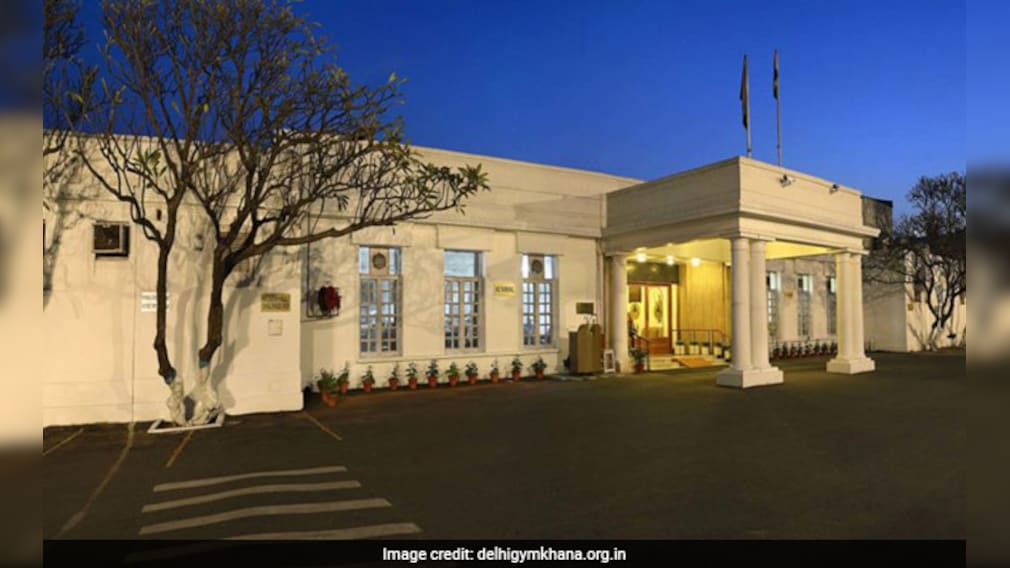
I was barely fourteen when I first stepped onto the lush green lawns of the Gymkhana Club in Delhi. I had travelled to the capital to participate in the National Tennis Championships - my first national tournament, my first experience of competitive tennis at that level, and my first encounter with Delhi itself.
I had come from Amritsar with a lively group of fellow tennis players. I was the only girl in the contingent. We travelled in an unreserved third-class railway compartment, armed with youthful enthusiasm, tennis dreams, and sports concession tickets. We were too young to feel discomfort and too excited to notice hardship.
Little did I know then that the city I was travelling to would one day become my permanent home.
For a young girl from Amritsar, accustomed to short distances, modest surroundings, and rickshaw rides, Delhi felt majestic. The city opened before me like a grand stage - wide avenues, stately buildings, and an air of importance I had never experienced before. We stayed in modest flats on Ferozeshah Road, residences of Members of Parliament, and travelled daily to the Gymkhana Club for matches. Those drives remain etched in my memory. We crossed Janpath, Connaught Place, India Gate, Rashtrapati Bhavan, Teen Murti, and the Prime Minister's residence, finally arriving at the magnificent grounds of Gymkhana Club.
For me, the Club was nothing short of magical.
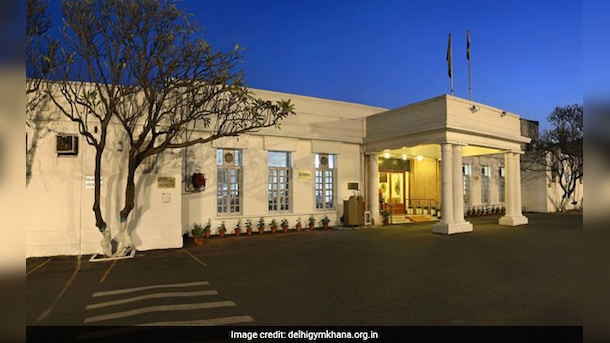
Its sweeping lawns, colonial architecture, tennis courts, and quiet elegance represented a world I had never known. Gymkhana was not merely a sports venue - it was a place that expanded my imagination. Standing there as a teenager, I felt my world grow larger.
I suddenly grew. As did my dreams.
I began to imagine a future in Delhi - to study, work, and perhaps one day belong to this city of power, purpose, and possibility. I dreamt of living amidst the green expanses of Lutyens' Delhi, playing sports here, and building a life of meaning.
Life, in an extraordinary way, fulfilled those dreams.
Years later, my first posting as ASP, Chanakyapuri, brought me back to the very same neighbourhood. The roads I had once travelled as a teenage tennis player now became familiar professional terrain.
By then, the Gymkhana Club already occupied a special place in my memory.
During the years that followed my first visit, I returned often to Delhi for tournaments, playing competitive tennis and steadily improving my national ranking. I played gruelling matches on those courts - won some, lost some, learned from all. For young players of my generation, Gymkhana Club represented the pinnacle of aspiration. Its grass courts were among the finest in the country.
We were a spirited generation of players - well-turned-out in imported sportswear, carrying Slazenger and Symonds, wooden racquets, playing with Dunlop and COSCO balls, chasing excellence with fierce determination and youthful confidence.
Gymkhana became part of my growth - not just as an athlete, but as a person.
In 1975, when I applied for membership after my posting in Delhi, I encountered something revealing of those times. I was offered a "Lady Membership", which carried no voting rights.
I immediately challenged it.
How could women be denied equal status?
The Club quickly corrected the anomaly - not only for me, but for other women who would follow. It was a small but meaningful step toward equality.
Yet Gymkhana shaped me in another, unexpected way too.
Across the road stood the residence of Prime Minister Indira Gandhi. From the Club lawns, I witnessed demonstrations, mounted police action, crowd control, and even tear gas deployments. Without fully realising it then, I was absorbing another education.
Tennis on one side, policing on the other.
Both profoundly influenced my life.
Today, Mrs Indira Gandhi's residence stands preserved as a memorial to history.
And now, hearing of the uncertainty surrounding the future of the Gymkhana Club, I cannot help but feel deeply reflective. Can we really reduce such institutions to questions of land and infrastructure alone?
Gymkhana is not merely a building or a parcel of prime real estate. It is living heritage. It carries memories of generations - sportspersons, servicemen, professionals, families, and communities.
For many retired servicemen and women, particularly those living on modest pensions, the Club provides far more than recreation. It offers companionship, routine, dignity, and relief from loneliness. Evening conversations on the lawns, familiar faces, and a sense of belonging are often what sustain people in retirement.
Some institutions are more than physical spaces.
They are repositories of memory, aspiration, public spirit, and human connection.
For me, Gymkhana Club will always remain the place where a fourteen-year-old girl first began to dream beyond the boundaries of her small world - and quietly began imagining the life she would one day live.
(Kiran Bedi is former Lieutenant Governor, Puducherry. She is the first woman to have joined officer ranks of Indian Police Service. Recipient of Magsaysay Award (1994) for police and prison reforms, she has also worked as a UN police advisor. A tennis champion, she earned a PhD from IIT Delhi and is a Nehru Fellow. She's founded many NGOs and is the author of several books.)
Disclaimer: These are the personal opinions of the author
-
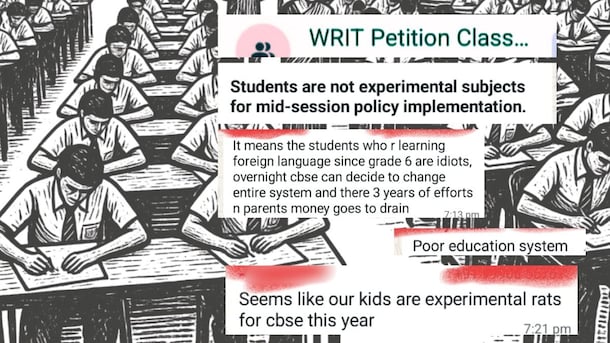
"Kids As Experimental Rats?" CBSE's 3-Language Policy Triggers Debate

The new CBSE policy for Class 9 mandates that students must study three languages (R1, R2, and R3), with at least two being native Indian languages.
-
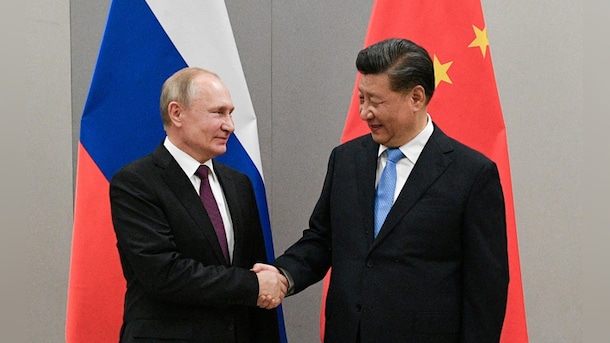
Opinion | All Roads Lead To China? Why Xi Hosted Trump And Putin Back-To-Back
China was projecting itself not merely as another great power, but as the indispensable balancing force.
-
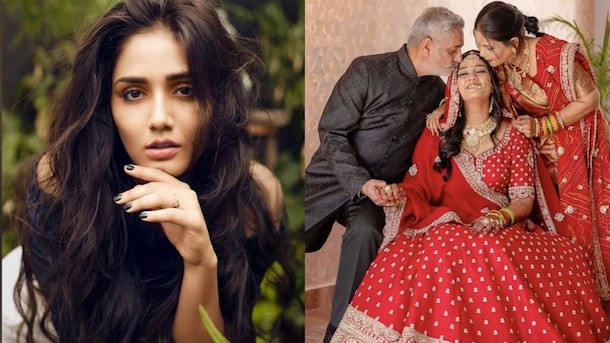
Analysis: The 'Good Girl' Trap That Killed Twisha Sharma
In the Twisha Sharma death case - the latest focal point of national media - there were "indications" from the very start that she was in a toxic marriage.
-
How Urban India's Weekend Obsession Became A $50 Million Market
Industry estimates peg India's pickleball market at nearly Rs 750 crore by 2030. Just two years ago, the sport barely existed outside niche circles.
-
After 113 Years Of Power, Privilege, Eviction Notice For Delhi Gymkhana Club
Delhi Gymkhana Club has always been more than just a sports or recreation club. Its membership defined people's status in the Delhi high society.
-
Opinion | Rubio Is In India, But Trump's America Just Launched Its Sharpest Attack On Indian Immigrants
Thousands of Indians who spent years following American laws and paying taxes in the US may now face the prospect of leaving the country during processing with no certainty of return timelines.
-
Opinion | Degrees, SUVs, Gold: Why India's Most 'Qualified' Men Often Demand The Steepest Dowries
Education, ironically, is more of an enabler of the practice than a hindrance, per a 2023 study quoted by the BBC
-
Strait Of Hormuz Shutdown, Oil Supply Crisis Triggers 'Red Zone' Warning
The IEA has already issued warnings about 'the most severe disruption' ever; in April agency chief Fatih Birol told CNBC: "We are facing the biggest energy security threat in history."
-
Opinion | India's Oil Reserves: How Long Can They Last As Iran War Continues?
It may be recalled that at the start of the war, India had around 74 days of oil reserves. On May 13, after completion of 74 days, India still had 60 days of oil reserves.