Opinion | 86 Votes, 1 Warning: Is India Turning Into Collateral Damage In US' War On Russia?
Washington wants to sever Russian energy income, but India could end up paying the price for it
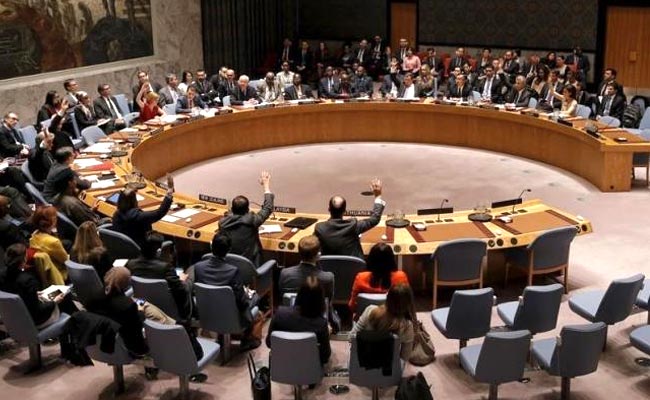
The Lindsey O. Graham Sanctioning Russia and Iran Act of 2026 was approved by the United States Senate with 86 votes against 11. The bill will now be sent to the House, which resumes sessions on August 31. New Delhi must act before then to shape the final legislation.
The bill grants the President authority to impose tariffs up to 100% on imports from third countries to build pressure on Russia. The July version limits this secondary-tariff provision to the five largest importers of Russian crude oil and natural gas. India is a prime member of that category.
The Real Target
If regarded merely as another American trade threat, the measure will be misunderstood. Moscow is the target. Washington wants to sever Russian energy income and has decided to use access to the American market to achieve this. India is seriously affected by this.
The arrangement indicates India's standing in America's strategic calculations. Washington sees defence and technology cooperation with New Delhi as tied to the economic pressure over the latter's commercial ties with Russia. As long as Indian interests align with American priorities, the partnership protects them; where they differ, protection disappears.
Tariff Power Becomes Statute
A 100% tariff would severely impact Indian exports, but the President can still impose a much lower one. This flexibility is part of the intended design, not a compromise. The bill gives the executive a graduated tool that can be adjusted based on compliance abroad.
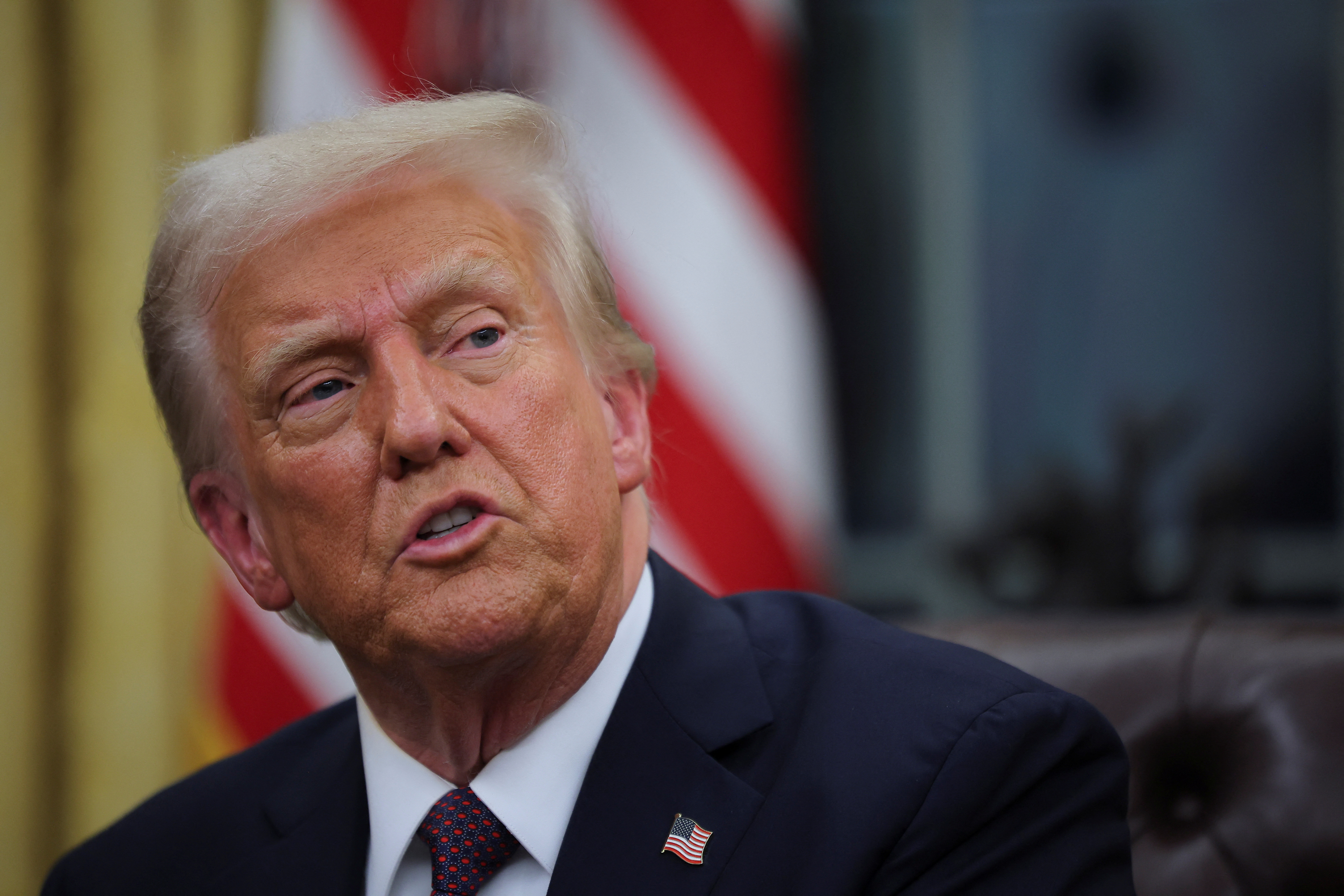
The importance lies in the institutional change rather than the rate. Until now, this tariff power had been exercised through unilateral executive action and challenged in courts and Congress each time. Congress is now making it law, turning an improvisation into a permanent part of American foreign policy, backed by a legislative majority. This changes the power from one needing justification each time to one easily implemented.
The issue facing India no longer depends on any individual President's character. It concerns the coercive economic power the American political system grants its executive branch, as statutory power continues beyond administrations.
Eighty-Six Votes
The Democratic sponsors, including Senator Richard Blumenthal, presented the bill as a way to undermine the Russian war effort and support Ukraine. They accepted the secondary-tariff mechanism as the price for that objective.
The vote was directed at Moscow, with India suffering the effects as a byproduct. The impact on India was not a significant concern to the Democratic senators when the Russian factor was calculated.
It was that calculation, not any hostility on the part of the United States, that accounts for India's vulnerability.
The Cost And The Ask
Ongoing economic pressure has weakened Indian domestic support that underpins the strategic partnership with the United States. This coercive legislation will further damage Indian public opinion and affect cooperation. Soon, sectors previously separate from bilateral tensions, such as defence, intelligence, and critical technology, will suffer negative consequences. These areas took the longest to develop. After that, it will be hard to predict how disagreements will escalate.
This is the paradox that has arisen from India's foreign policy over the last 20 years. To counter China, India has strengthened its economic, technological, and defence links with the United States, and each level of integration has increased the scope of American influence.
The solution is resilience, not retreat. The relationship with Washington still advances Indian interests, and the strategic benefits gained over the last twenty years are genuine. Strategic autonomy now rests on building a diverse export market, a range of energy suppliers, and domestic capacity. Each factor reduces the ability of a single partner to turn interdependence into pressure.
Since Congress is establishing this framework, diplomatic efforts should not be limited to the White House. New Delhi must engage directly with Capitol Hill and do so before the House finalises its legislative approach.
Getting Congress to limit the President's trade powers is beyond India's capacity. The achievable objectives are more worthwhile and limited:
- India should request mandatory waivers linked to national security or proven reductions in its Russian energy purchases. Such waivers should be approved based on objective legal criteria, not executive discretion.
- Regarding contract protection, India should advocate for safeguarding existing long-term commercial agreements with transition provisions. This would protect Indian companies from tariffs on contracts concluded before the law took effect.
- Regarding amendments: When members of the House propose amendments, India's lobbying should focus on the scope of the secondary-tariff authority. India should have a narrower authority than a wider one, which is merely well implemented.
Time for Alternate Partners?
Moreover, it now appears that various parts of the US system are actively seeking to drive India away: the President is doing so by means of aggressive tariffs and restrictive immigration policies; Elbridge Colby and the Pentagon are pursuing this by making increasing demands for strategic concessions; and now Congress is achieving the same effect by turning tariffs into a form of legal coercion. This heavy-handed approach will probably cause India to shift strategically toward China and Russia, both of which are eager for New Delhi to join them in a more closely aligned multipolar arrangement.
The relationship with India is important in Washington, and American industry places a value on its access to the Indian market. New Delhi has real leverage and retains it until Capitol Hill turns a draft into law.
(The author is a Research Fellow in the Geostrategy Program at the Takshashila Institution)
Disclaimer: These are the personal opinions of the author
-
Opinion | Bihar Assault, Hisar Marriage Ban: Who'll Stop The Guardians Of Indian 'Culture'?

Why exactly does the sight of a young couple seeking a bit of alone time somewhere tend to particularly provoke a certain kind of Indian men?
-
Opinion | The Trump-Xi Summit, And India's Many Worries Of Its Own
Washington and Beijing may have chosen coexistence over confrontation. For India, that could be both a relief and a warning.
-
Opinion | China Claims It Has Cut Troops At The Indian Border. But The Math Doesn't Add Up
The reduction likely has more to do with the deployment along the LAC than the total strength active in the region
-
Opinion | China Is No Longer Waiting For Trump To Set The Rules. And He Knows It
America's old diplomatic tricks with China won't work any longer. Because China has changed, and so has its ambitions.
-
Opinion | As UN Interviews Its Next Chief, The Interviewers Have Some Explaining To Do
On the panel sit governments whose wars, vetoes, and unpaid dues have helped make the organisation ineffective.
-
Opinion | Trump-Xi Meet: What China Can Give America, And What India Could Lose
If Trump can secure some of what he wants directly from Beijing, India's immediate value to Washington could change in particular areas.
-
A New 'Axis'? 87 Years After Pact Of Steel, A New European Far-Right Tie-Up
Nearly nine decades after Nazi Germany and Fascist Italy formalised their alliance, senior figures from Germany and Italy's far-right appeared together at a political rally on Sunday.
-
Opinion | 'Blackmail' Diplomacy: Why India Can't Be A Pawn In US' War On Russia
The new sanctions bill is both blackmail and hypocritical: blackmail because it seeks to change India's principled stand, and hypocritical because the US has provided exemptions to others, and itself.
-
Blog | Katrina Kaif, And The Very Indian Problem Of Too Much 'Audacity'
The remarkable thing about many Indian trolls is not that they have opinions, but that they expect - get this, Katrina Kaif, no less - to care about them.