Blog | 'I Lost 10 Kilos': Indian Student On Falling Rupee And The Reality Of Life Abroad
In October 2025, I paid the first instalment of my tuition fee. It was 15,800 pounds, and the conversion rate was Rs 118 for a pound. By January, it further slipped to Rs 125 as I paid the second instalment.
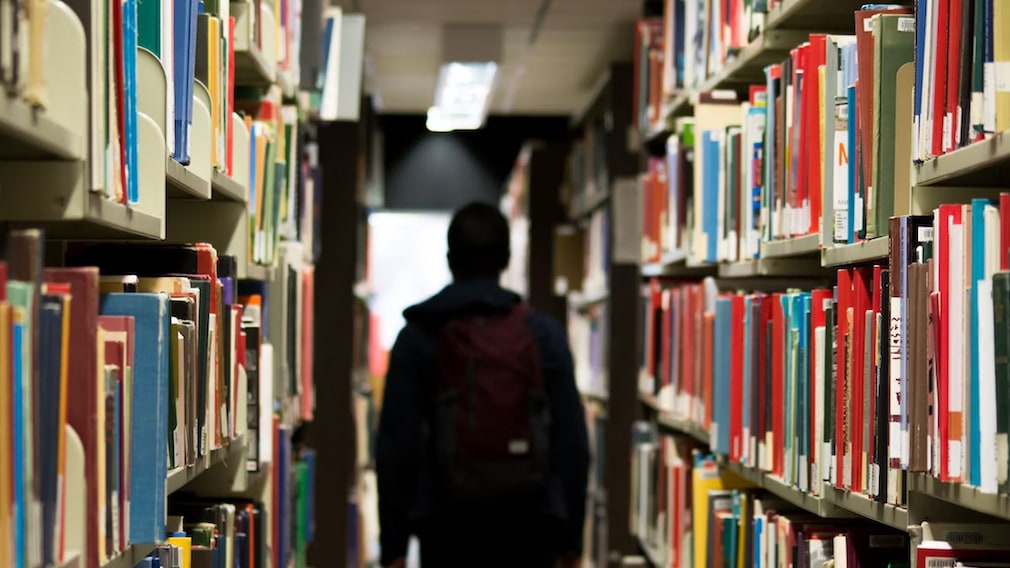
I first travelled to London three years ago to visit my sister and celebrate my birthday. It was my first solo international trip, so naturally, I was excited about everything - getting my visa, booking my tickets, planning the journey, and finally exchanging rupees for pounds before landing in what felt like the most cosmopolitan city in the world.
In March 2023, one pound cost me around Rs 100 - simple enough for mental maths every time I bought coffee or took the tube. A year later, around the same time, I was back in London and went through the same routine again. Except this time, one pound was closer to Rs 105. Still manageable for quick conversions, but enough to make me realise how much exchange rates quietly shape the experience of studying, travelling, and living abroad.
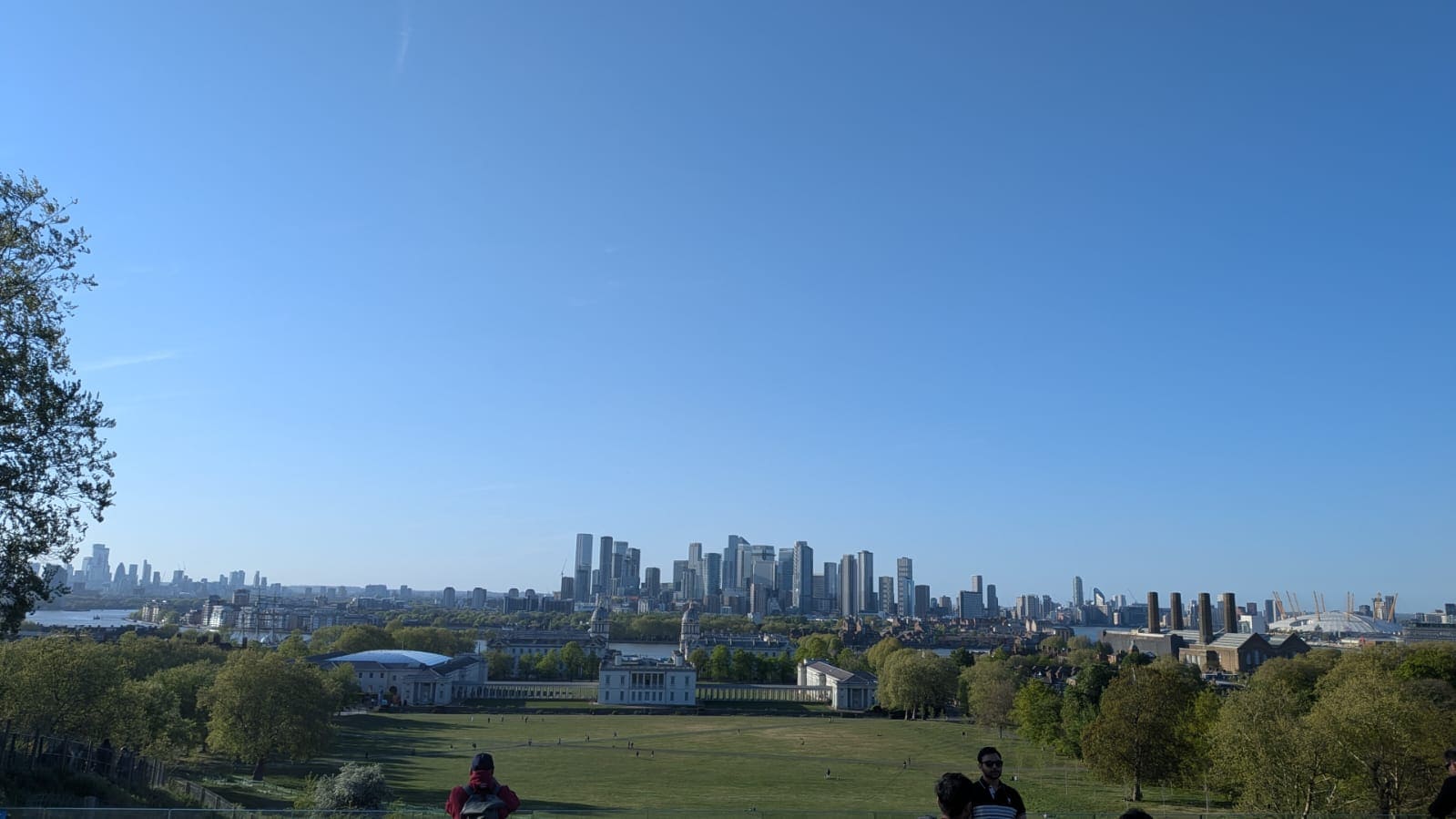
The picture was taken on top of the Greenwich Park hill. It's where the GMT divides the Earth into the Eastern and Western hemispheres.
I experienced all of this a year later when I moved to London for my Master's degree at King's College. Now, I was converting a lot of money for visa and college fees. And as the rupee slipped against the pound every day, monthly expenses and stress levels started to climb. As of May 2026, you need Rs 128 to get a pound. It is good for you if you are regularly earning, but for students, it's a nightmare to have daily.
Since last year, every financial decision I made in Delhi was shaped by the rupee-pound currency conversion rate. From booking tickets for a concert to applying for a loan and a visa to replacing my old phone, I could feel what thousands of Indian students go through every year. Despite the weakening of the rupee, students still choose the UK over India because it offers high-quality education and a better standard of living.
'It Keeps Getting Bad'
In October 2025, I paid the first instalment of my tuition fee. It was 15,800 pounds, and the conversion rate was Rs 118 for a pound. By January, it further slipped to Rs 125 as I paid the second instalment. A Rs 7 slip seems small, but it had an impact on my mental well-being.
By the time my second instalment was due, I had already started cutting down on expenses. I spent less on food, skipped casual meetups at the college pub, and became more conscious even while buying basic groceries. I am fortunate to have family in London, which makes life easier in many ways, but the smaller daily costs still add up quickly.
For my 9 am lectures, I often had no choice but to take the tube, paying nearly 3.90 GBP one-way just to make it on time. But on days when I could, I switched to buses that cost 1.75 GBP instead. It meant spending almost two hours stuck in London traffic. But it was worth it if it would help me save a little money.
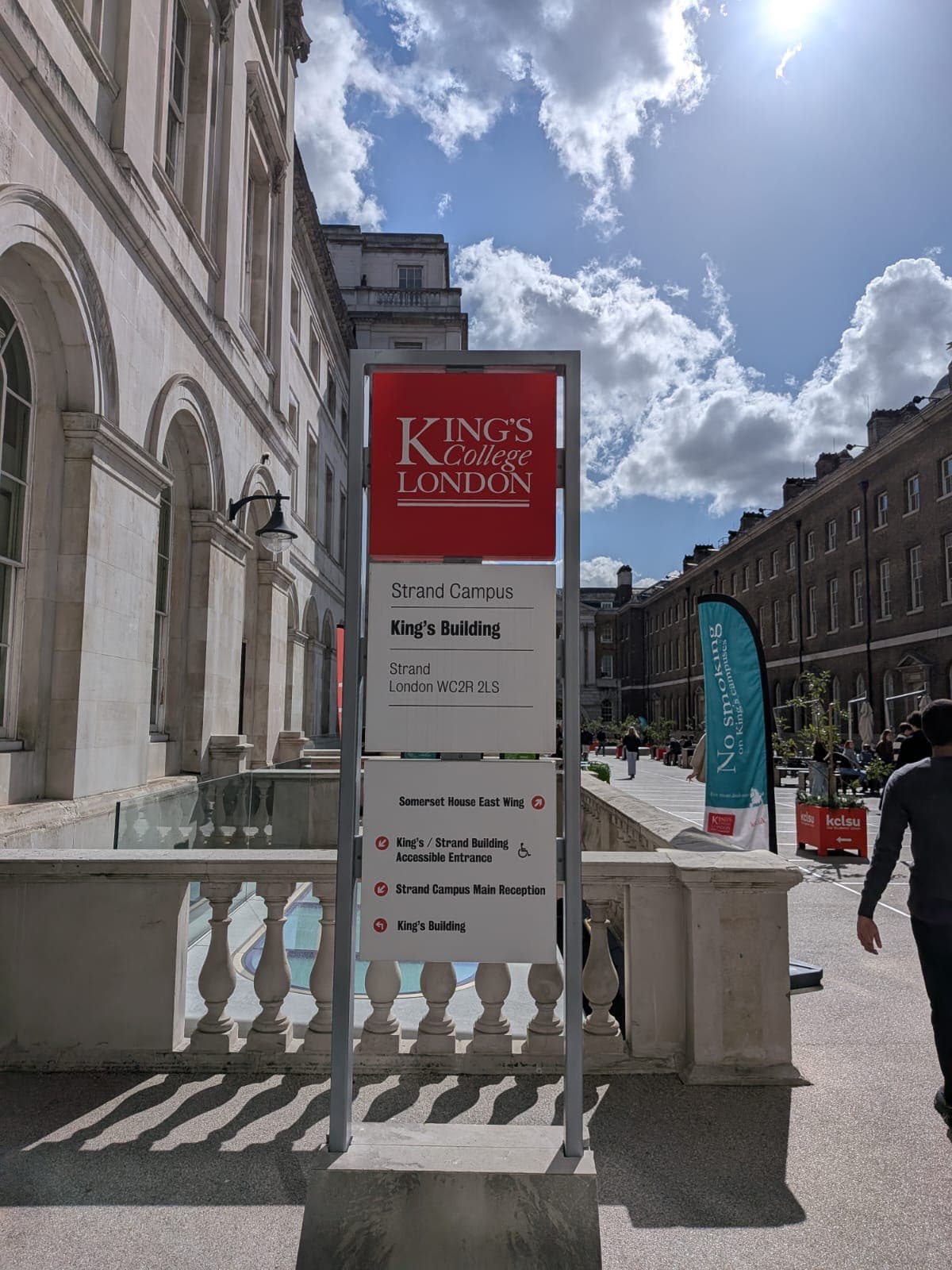
The King's College London campus
According to the latest data from the Office of National Statistics, UK, in the year ending December 2025, Indians accounted for the largest number of non-EU nationals immigrating to the UK. Around 89,000 Indian students moved to the UK, and around 40,000 for work. South Asians, especially British Indians and Indians, form the largest diaspora of non-whites in Britain; Indians are also the highest among those emigrating from the country. Around 51,000 Indian students and around 21,000 professionals went back to India.
I am among the 89,000 who came to London last year, but I know several people who are among the 51,000 who moved back. With a falling rupee and stricter immigration rules, a slow job market, the UK is becoming less attractive, but it remains a popular choice.
Across the Atlantic, the situation is as bad as in the UK. The rupee is at its lowest against the US dollar and keeps breaking its record every day. Coupled with the war in West Asia, Trump's tariff rules, conservative immigration policies, and a slow job market, Indian students are facing a tough time - probably worse because higher education costs more in the US than in the UK.
'Meal Deals and Chocolate Bars To The Rescue'
I never imagined I could go from writing articles on defence to pouring pints of Ciders and Guinness for a living. Every month, the rupee kept falling, and I started losing money on currency conversion to fund my monthly expenses. I chose part-time work at events to sustain myself. From pouring drinks at Twickenham Stadium and street parties to waiting tables at a restaurant, I earned pounds to buy groceries, meals, hang out with friends and live a little.

A snapshot of my expenses
The first thing I did after landing in London was to find the cheapest route from my house to the campus, and the cheapest food options. The five-pound meal deals from Greggs and Tesco, surprise food baskets from 'Too Good To Go' and chocolate bars were saviours when I was tempted to spend a tenner on pizza. I learnt the hard way how to resist the temptation for fancy meals.
What feels particularly frustrating is seeing people online casually defend the weakening of the rupee against the dollar or pound as something that is simply "good for the economy". I am not an economist, and I understand that currencies move for complex reasons tied to trade, exports, and global markets. But what often gets ignored is the human side of currency depreciation - how it directly affects the lives of thousands of Indians studying, working, or living abroad.
Even a small fall in the rupee changes daily life in ways that statistics cannot fully capture. Tuition fees become more expensive overnight, rent feels heavier, and ordinary expenses like transport or groceries suddenly require constant calculation. An article in The Economist argued that the weakening rupee reflects deeper structural and global pressures. Events like the American bombing campaign in Iran disrupted oil flows and affected countries like India that rely heavily on imports, putting additional pressure on the currency. RBI Governor Sanjay Malhotra said that a modest depreciation against the dollar is normal for a growing economy.
Perhaps that is true at the macroeconomic level. But from the perspective of an Indian abroad, a "modest depreciation" does not feel modest at all. It quietly reshapes everyday choices, mental well-being, and the ability to simply live comfortably in another country.
'It's Tough, But I Am Not Alone'
During one of my tube rides back home, a friend from Texas was talking about how she loses $4 every time she converts the currency. I told her I lose Rs 128 every time I do that, and she felt bad for me. Another friend from Italy, who is doing her PhD, is experiencing the same thing, but she said one more thing - whenever it feels heavy, just go for a walk, and if you see a student, you'll realise that you are not alone. I guess that is what makes London, or any other city in the UK, cosmopolitan. You go through things, and you grow with them.
Over the last eight months in London, I have lost nearly 10 kilos - not because I consciously tried to, but because every pound saved started to matter as the rupee kept slipping. To avoid spending on the tube, I began experiencing the city on foot instead.
I walked along the Thames to Westminster, crossed St Paul's Cathedral just to catch a cheaper bus from Aldgate, and often took night buses across Tower Bridge rather than paying for faster routes. Somewhere between saving money and stretching every pound, the city slowly became mine.
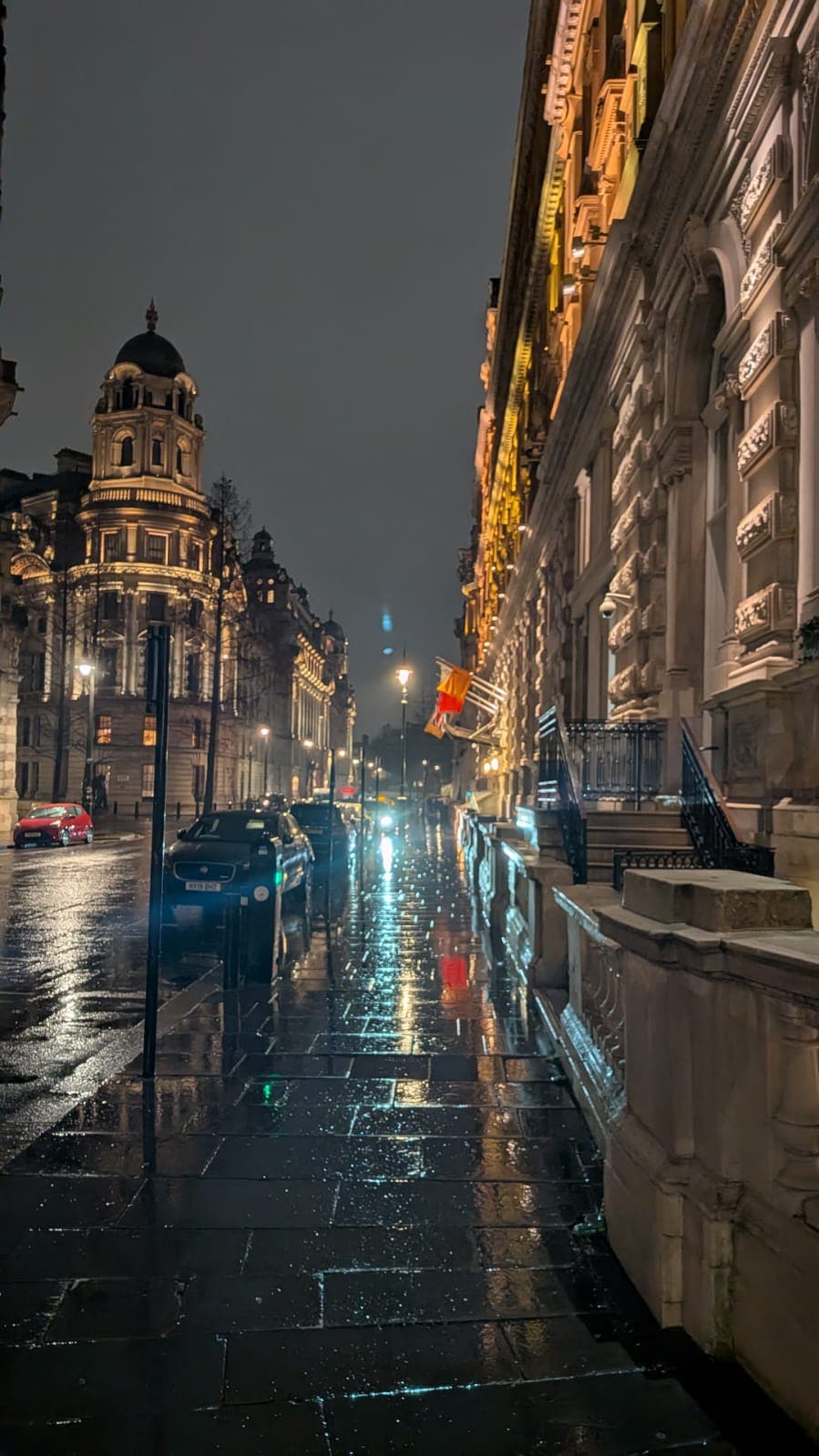
A walk back home from Westminster during a rainy evening in January.
Back in Delhi, I had the privilege of living with family, earning a stable salary, and travelling comfortably in my own car. London, on the other hand, taught me what it feels like to live in one of the world's most expensive cities when you are constantly budgeting. Strangely, however, it also made me experience the city more intimately than I probably would have otherwise.
I am one of the many Indians abroad. Life here is tough; it breaks you, sometimes forces you to sleep on an empty stomach, makes you appreciate the little things in life, and grounds you in experiences you cannot imagine. I never imagined a falling rupee against the pound would teach me so much.
(Divyam Sharma was a journalist and is currently studying Terrorism, Security and Society at King's College London, with a specialisation in wargaming and OSINT.)
Disclaimer: These are the personal opinions of the author
-
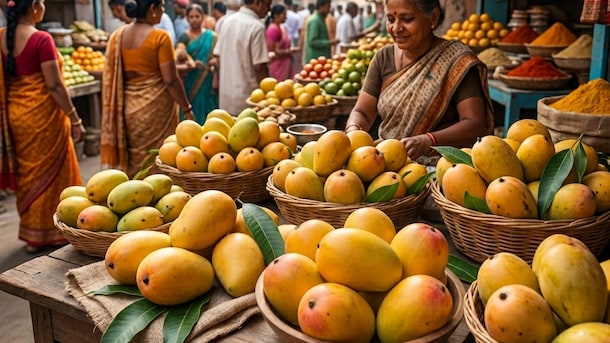
Mango The Sweet Diplomat, From Mughals To Modern India

We are in that season. The season of mangoes. The king of fruit has inspired some of the most prominent writers, poets and philosophers. Khusro to Ghalib to Tagore, all have written mouth-watering odes to the pulpy fruit.
-
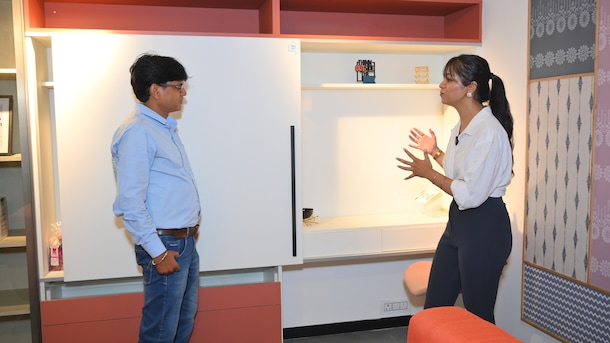
A Quiet Lifestyle Shift In Urban India Is Powering A $12 Billion Market
The organised sector accounts for just 15-20% of the interior design and home decor market. The remaining 80-85% still belongs to the fragmented ecosystem.
-
A New Ebola Strain Is Threatening Fresh Outbreak. What Are Doctors Doing
This is where the Democratic Republic of Congo's latest Ebola outbreak has erupted in the middle of a grinding conflict that has hollowed out public services and displaced millions.
-
DK Shivakumar Comes With Mastery Of Delhi Networks And Karnataka Grassroots
DK Shivakumar is a politician who mastered the art of networking in Delhi's high-power circuits just as effortlessly as he managed the grassroots electoral math in his home constituency, where he has won eight straight terms
-
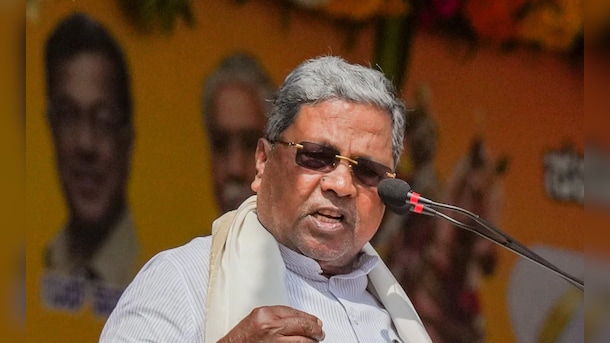
Opinion | Siddaramaiah: The Man Who Has Never Believed In Bowing Out Quietly
Old habits die hard. Siddaramaiah is a grassroots socialist, an anarchist who has always thrived in chaos. Don't expect him to retire to a life of a quiet, elderly statesman - not yet, at least.
-
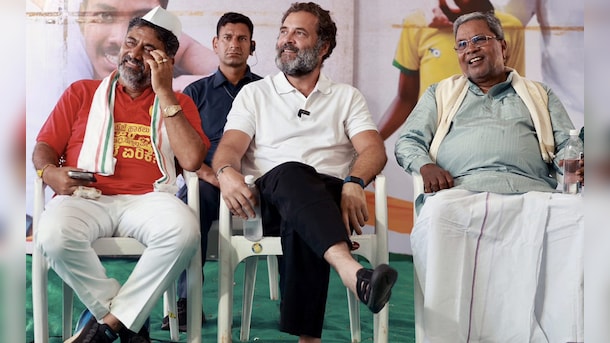
Opinion | Karnataka Tussle: Is This Where Congress Finally Understands The Value Of 'Timing'?
For years, Rahul Gandhi's critics have accused him of being a moral commentator rather than a commander. Karnataka may be where this changes.
-
Opinion | A 'Bangarappa' Redux? How Another Karnataka Chief Minister Was Asked To Resign In 1992
The images flashing on the TV screens on Tuesday reminded this author of a similar scenario in 1992, when S Bangarappa, Karnataka's first OBC Chief Minister, was asked to resign by PV Narasimha Rao.
-
Opinion | How Pak And Bangladeshi Vote Blocs Are Becoming UK's New 'Kingmakers'
Tower Hamlets, a London town that once was predominantly White, just re-elected Lutfur Rahman as mayor for the third time. But this is just part of a bigger shift.
-
Ringside View | Fall Of The Legacy Teams In IPL 2026: What Ails KKR, CSK, And MI?
With a year still left for the mega auction, all three legacy teams have to press the reset button if they want to rise above the mid-table.




-
News Updates
-
Featured
-
More Links
-
Follow Us On
