84 Years After Quit India Movement, The Nation We Must Still Build
The collective spirit of 1942 cannot remain locked in the past
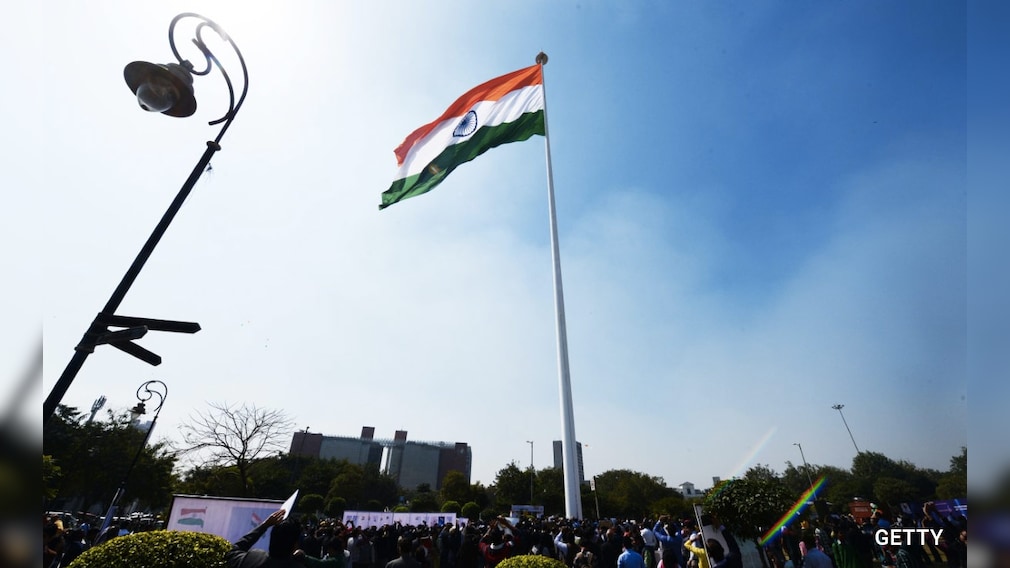
On August 8, 1942, at the Gowalia Tank Maidan in Bombay, the Indian National Congress launched the Quit India Movement, or “Bharat Chhod Aandolan”. That evening, Mahatma Gandhi delivered a historic address that redefined India's struggle for self-determination. Striking at the core of colonial subjugation, Gandhiji issued an unequivocal mandate to the nation: "Do or Die."
Eighty-four years later, as India reflects on this pivotal milestone, the Quit India Movement stands out as the ultimate mass movement that rendered British rule in India untenable.
By 1942, the geopolitical landscape of World War II had brought the global crisis to India's doorstep. Japanese forces were advancing rapidly across Southeast Asia, while the British imperial administration unilaterally dragged India into the global conflict without consulting its elected leadership in the provinces. The failure of the Cripps Mission in early 1942 shattered any remaining hope for a peaceful constitutional transition to self-rule during the war. Frustration turned into resolute action as Gandhi, alongside leaders like Jawaharlal Nehru, Sardar Vallabhbhai Patel, and Maulana Abul Kalam Azad, recognised that incremental demands were no longer sufficient. Nothing short of immediate, complete independence (Purna Swaraj) would suffice. Gandhi called upon every Indian to imprint the mantra of "Do or Die" upon their hearts, declaring that they would either free India or perish in the attempt.
The British authorities moved swiftly to crush the rebellion before it could organise. In the early morning hours of August 9, 1942, the colonial government arrested almost the entire top leadership of the Indian National Congress under emergency war regulations. Far from smothering the movement, this widespread crackdown transformed it into an unprecedented, decentraliaed groundswell of popular defiance.
Courageous figures who evaded arrest stepped up to guide the nation from underground networks. Aruna Asaf Ali famously hoisted the Indian Tricolour at Gowalia Tank Maidan on August 9, while leaders such as Jayaprakash Narayan, Ram Manohar Lohia, and Usha Mehta (who operated a secret underground radio station) kept the public informed and motivated.
Across the country, students, farmers, factory workers, and women took to the streets in massive numbers. Boys hawking newspapers chanted “Times of India! Quit India”. Strikes, public demonstrations, and non-cooperation crippled communications and the colonial administrative machinery. In regions such as Ballia in Uttar Pradesh, Tamluk in Bengal, and Satara in Maharashtra, local citizens went so far as to temporarily oust imperial officials and establish independent parallel governments. Though countered with severe state repression, including tens of thousands of arrests, military firings, and strict censorship, the sheer scale of public resistance demonstrated that British moral and administrative authority had collapsed beyond repair.
The Quit India Movement served as the final countdown to independence in 1947. While the immediate uprisings were forcefully suppressed within months, the movement made it unmistakably clear to the imperial power that governing hundreds of millions of rebellious citizens was an impossibility. Five years later, the ultimate goal was achieved.
There is one negative that must be acknowledged. By going to jail in large numbers, the Indian nationalists ceded space to British collaborators, and notably the Muslim League, to assume power in the provinces that they had not earned in the elections. This they used to distribute patronage and taxpayer funds to their supporters, build up their organisation and establish an uncontested dominance they had never previously enjoyed. While jailed Congressmen were cut off from the people, the League went from 2 lakh members before the war to 2 crore at the end of it. When the elections of 1946 came, the League swept the Muslim seats, which they had never done before. Coming to power in Punjab, Sind and Bengal, they demanded Partition. The vivisection of the country became inevitable.
Still, observing the 84th anniversary of August Kranti is far more than an exercise in historical memory. It is an enduring tribute to the power of citizen agency, moral conviction, and collective courage. In an evolving world, the spirit of 1942 serves as a reminder that nation-building is an ongoing responsibility, continuously fuelled by the same passion for justice, unity, and self-reliance that filled the air at Gowalia Tank eight decades ago.
That collective spirit cannot remain locked in the past, for political independence was merely the first phase of the national journey. Today, nation-building presents a new frontier of challenges, from narrowing economic disparities and fostering social cohesion to pioneering technological advancement and navigating climate resilience. Just as the generation of 1942 took collective ownership of the country's destiny, the responsibility now falls on India's citizens today to safeguard democratic institutions, promote inclusive growth, maintain social harmony among all our fellow-citizens and uphold the ideals of liberty, equality and fraternity.
The "Do or Die" resolve of the freedom struggle no longer finds its contemporary echo in resistance to foreign rulers. But its spirit demands of us active civic participation, unyielding moral responsibility, and a shared commitment to building a progressive, self-reliant India for generations to come.
(Shashi Tharoor has been a Member of Parliament from Thiruvananthapuram, Kerala, since 2009. He is a celebrated author and a former diplomat)
Disclaimer: These are the personal opinions of the author
-
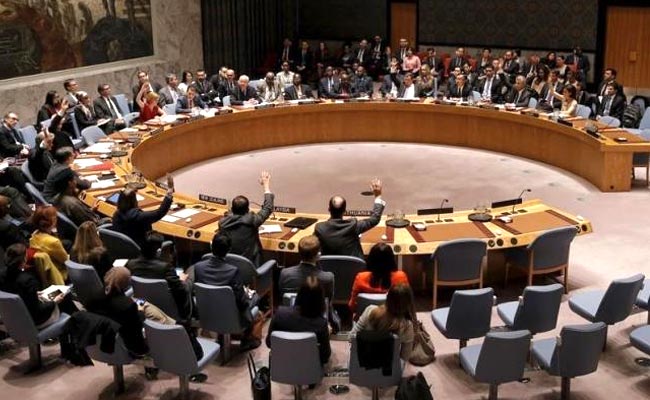
Opinion | As UN Interviews Its Next Chief, The Interviewers Have Some Explaining To Do

On the panel sit governments whose wars, vetoes, and unpaid dues have helped make the organisation ineffective.
-
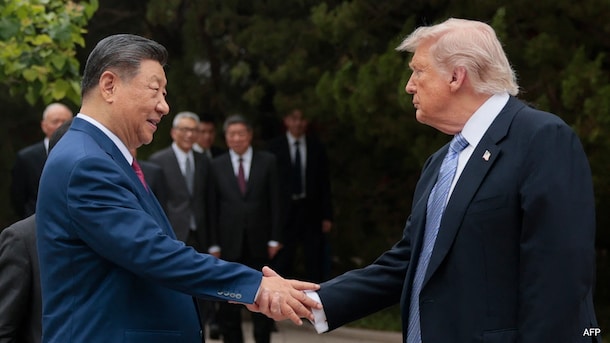
Opinion | Trump-Xi Meet: What China Can Give America, And What India Could Lose
If Trump can secure some of what he wants directly from Beijing, India's immediate value to Washington could change in particular areas.
-
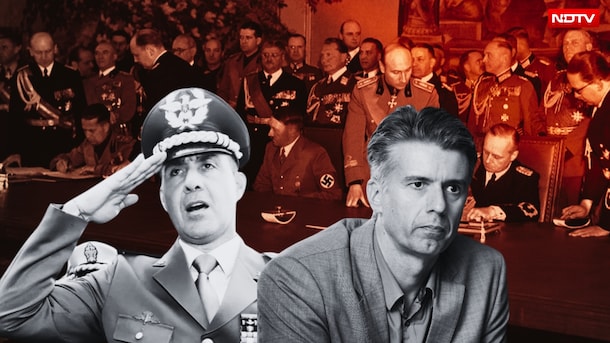
A New 'Axis'? 87 Years After Pact Of Steel, A New European Far-Right Tie-Up
Nearly nine decades after Nazi Germany and Fascist Italy formalised their alliance, senior figures from Germany and Italy's far-right appeared together at a political rally on Sunday.
-
Opinion | 'Blackmail' Diplomacy: Why India Can't Be A Pawn In US' War On Russia
The new sanctions bill is both blackmail and hypocritical: blackmail because it seeks to change India's principled stand, and hypocritical because the US has provided exemptions to others, and itself.
-
Blog | Katrina Kaif, And The Very Indian Problem Of Too Much 'Audacity'
The remarkable thing about many Indian trolls is not that they have opinions, but that they expect - get this, Katrina Kaif, no less - to care about them.
-
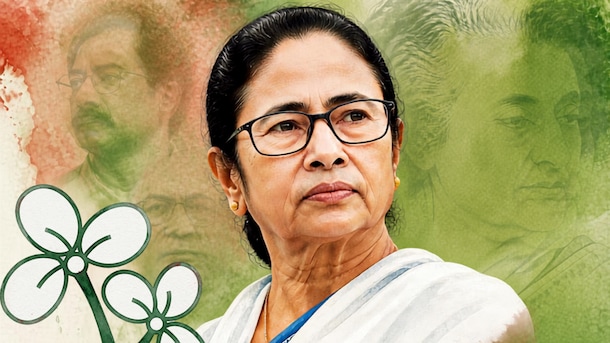
Mamata Banerjee Drew Her Party's Symbol By Hand. It's Now Tied To An Indira Gandhi Case
The Election Commission's method for settling such disputes became central in the seminal Congress split of 1969, when Indira Gandhi fought the old guard. The poll body weighed three tests then.
-
Bruised, Limping, Unbowed: Sia Says She Will Be Back On The Bike Soon
There was pain in Sia's steps, anger in her words, and something else - a quiet determination that the road would not be taken away from her.
-
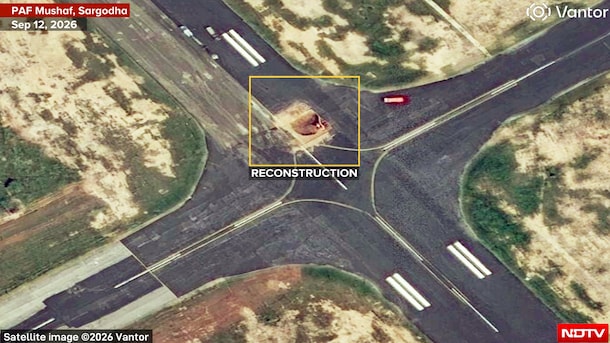
Exclusive: 16 Months After Op Sindoor, Pak Still Fixing Runway India Broke At Sargodha
Sargodha's PAF Base Mushaf lies about 172 km northwest of Lahore and roughly 200 km west of the India-Pakistan border, near Amritsar.
-
Blog | I Lost My Entire Family In Kanishka Bombing. 41 Years Later, Canada Wants The Case Closed
We made the trek through tragedy to search for people in Cork, where I spent 25 days sifting through bodies and body parts in a makeshift morgue to identify our loved ones.
-
Opinion | Pak's Drone Deal With A US Firm Is No Windfall. But India Must Still Be Worried
American military aid to Pakistan has remained suspended since January 2018, during Trump's first term, but a commercial arms sale is separate from this arrangement.