Opinion | 17 Dead, 166 Trapped: How Indian Seafarers Became 'Collateral' In Others' Wars
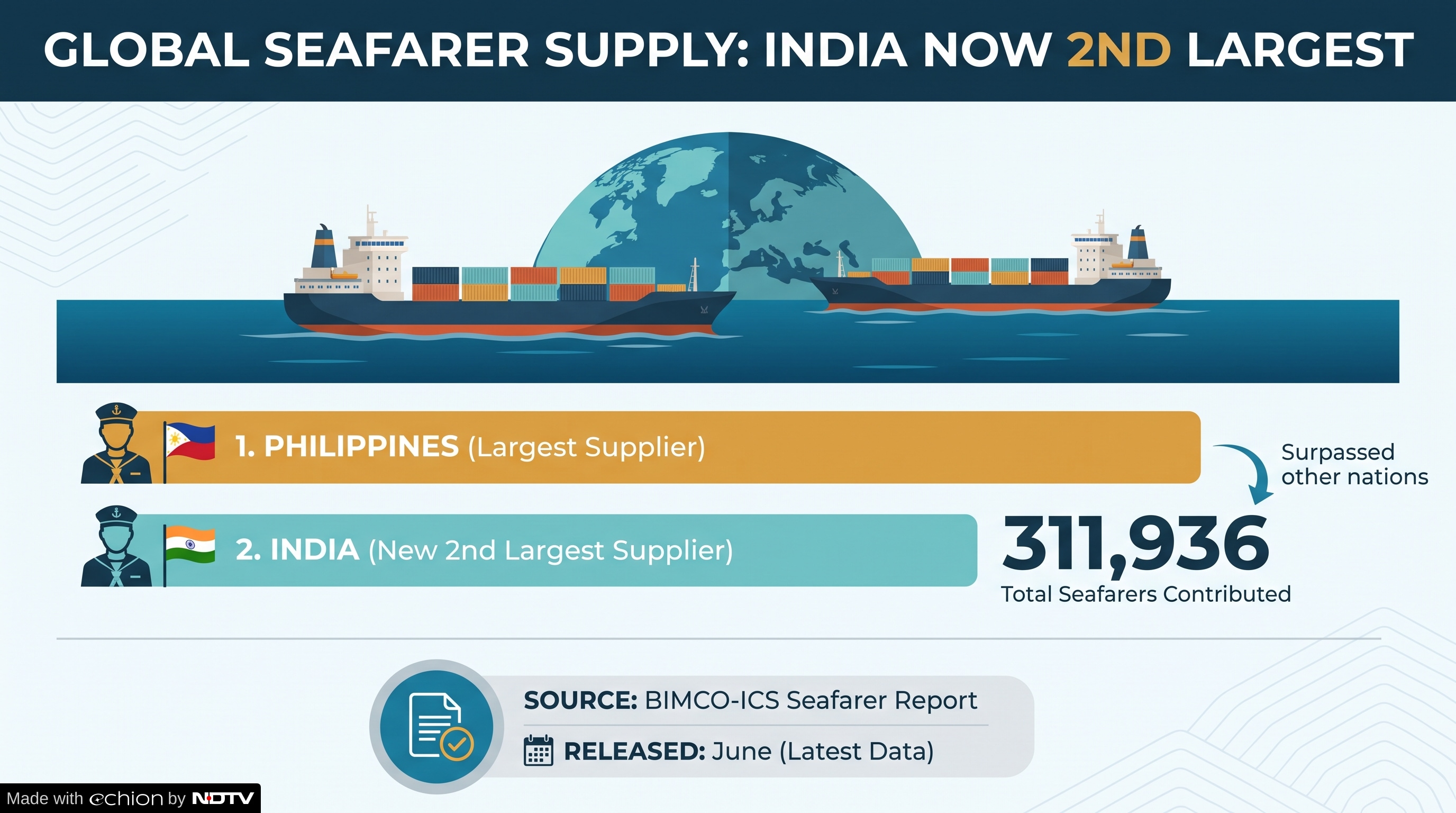
India is now the second-largest supplier of seafarers in the world, contributing 311,936 personnel. But that also means that they are among the easiest targets during war.
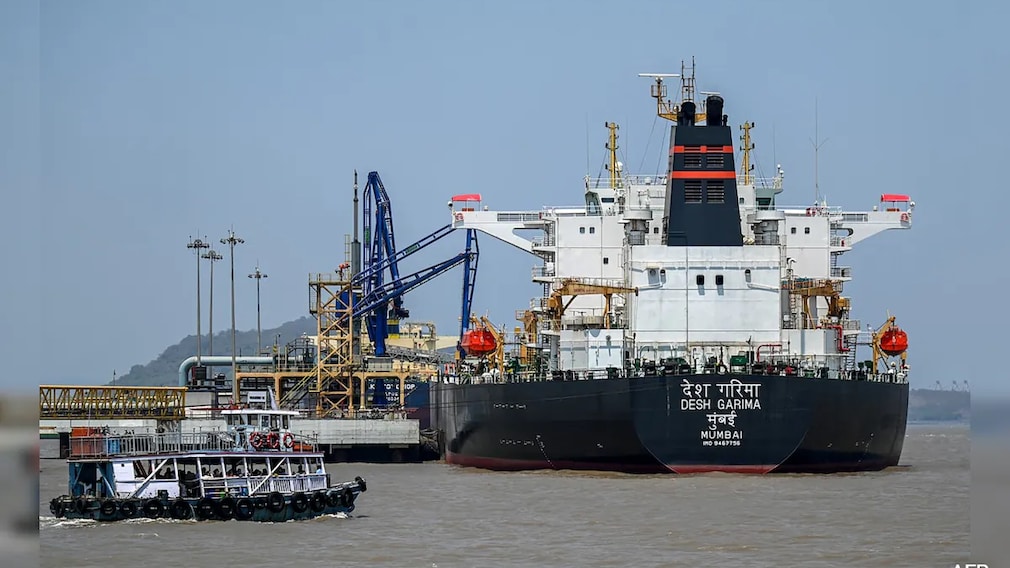
The Russia-Ukraine war has intensified over the past two weeks, killing more than two dozen people and destroying energy infrastructure, buildings, and ships. Five Indian seamen also died in attacks on ships in the Black Sea, and two others remain missing. Thirteen Indian seafarers have been stranded aboard MV AMIR1 in a Black Sea port in Ukraine for a week, under the continuing threat of missile and drone attacks, according to the All India Seafarers Union (AISU). Although Kyiv has blamed Moscow for the stranded Indian sailors, a few days back, the Ministry of External Affairs (MEA) summoned the Ukrainian ambassador over an attack on a ship on July 18 that killed one Indian. A week earlier, the Russian envoy was summoned after four Indians were killed in an attack on a cargo ship near the port of Odesa.
In addition to the five deaths in the Black Sea, at least 16 Indians, including 10 seafarers, have been killed in attacks on ships in the Middle East since the start of the Iran war, the government told Parliament last week. Seventeen seafarers have so far lost their lives, of whom more than half were Indian. These sailors have come under attack from both Iranian and American forces. Attacks on commercial ships are illegal under international law, but that hasn't stopped the warring parties in the Black Sea and the Persian Gulf from targeting them, creating one of the worst international shipping crises in history.
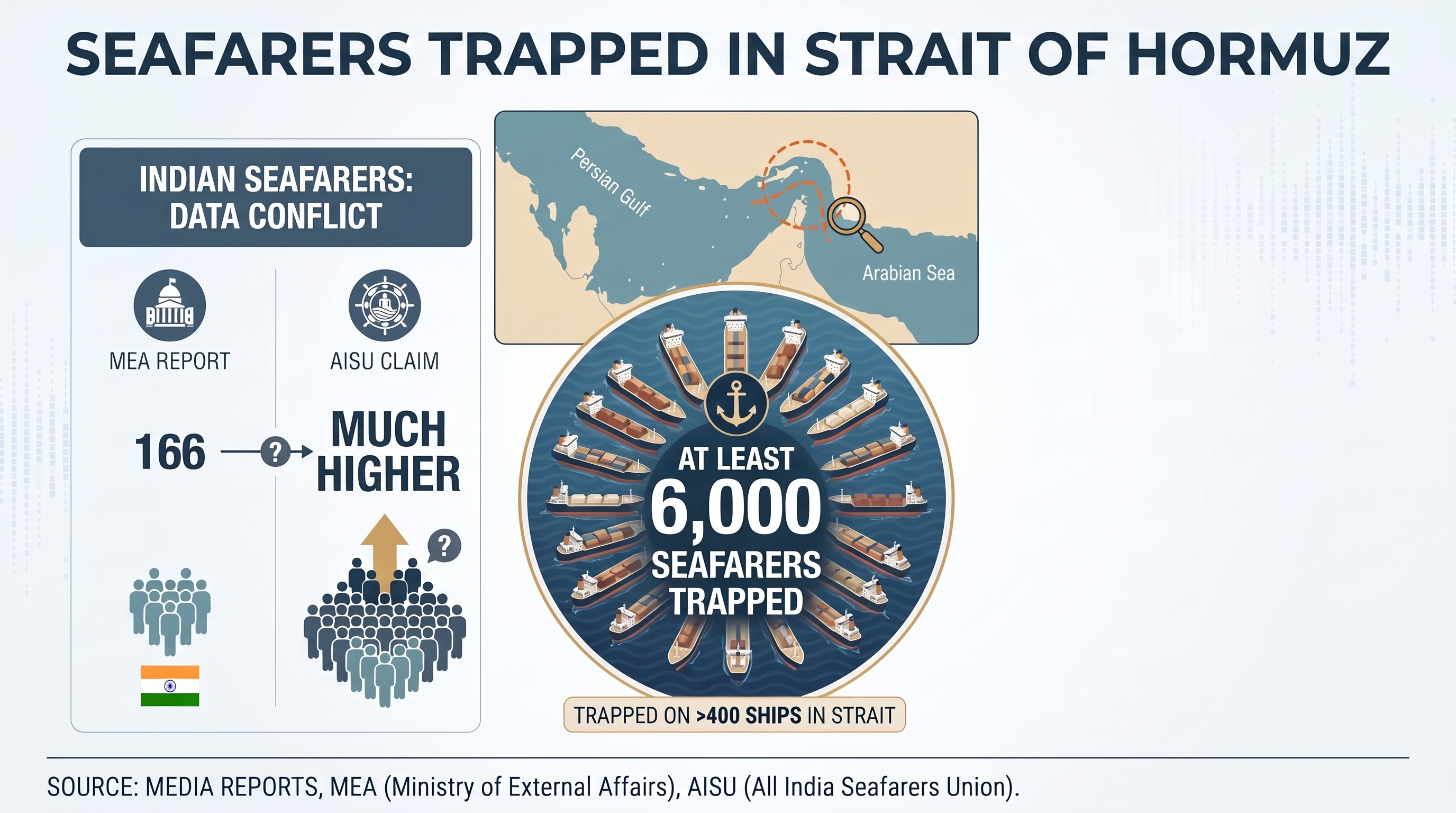
At least 6,000 seafarers remain trapped on more than 400 ships in the Strait of Hormuz. Of them, 166 are Indians, according to the MEA, though AISU says their number is much higher. At the height of the war in March, there were 20,000 sailors on 2,000 ships. After the ceasefire in April and the US-Iran MoU in June, brief reopenings reduced their number. The sailors still stuck there describe their plight as even worse than the Covid-19 pandemic days, because, despite being trapped at sea for months, they were not facing missile and drone attacks during the pandemic.
Disproportionate Indian Casualties
It's true that many more Iranian sailors have died since the conflict began at the end of February. Eighty-four were killed by a US torpedo strike in the Indian Ocean in March alone. But for a country not involved in the war, so many deaths among Indian seafarers are unacceptable. More than 60 ships carrying seafarers have been attacked since the start of the war, with an alarming rise in such incidents in July. Last week, an LPG tanker with a 28-member Indian crew was attacked. Although all were later found safe, it must have been a harrowing experience for them. India has now banned the deployment of its citizens on any ship heading to Hormuz.
But the ban doesn't address the plight of Indian seafarers already trapped in the Gulf or the Black Sea. It also won't console the families of those who died in the two conflicts. The families are still waiting to learn why and how their loved ones died, and why these non-combatants, who worked day and night to support the world economy, had to become collateral in the conflict. For example, there is still anger against the United States, whose missile attack on the ship MT Settebello on June 10 killed three Indian sailors: Suresh Patnala, the chief engineer, Shivanand Chaurasia, a fitter, and Aditya Sharma, a trainee cadet.
Several American naval warfare experts who reviewed footage of the strike released by the US military told The New York Times that the ship appeared to be drifting or at rest, with no indication it was moving. Dr Ian Ralby, president of the maritime governance NGO Auxilium Worldwide, told the paper, "You disable a vessel that is actively in violation - as in, it is underway. Why shoot out the engine room if the engines aren't even running?" This casts doubt on the legality of the US military's action. Indian seamen's unions are demanding compensation from the Trump government and an independent investigation into what they call a war crime.
What Can The Government Do?
Not much, really. However, the Indian government lodged a diplomatic protest with the US over the attacks on MT Settebello. The External Affairs Minister, S Jaishankar, raised the issue with US Secretary of State Marco Rubio. Prime Minister Modi also raised it with Trump. But no apology was received, prompting more anger. Some critics have drawn parallels with NATO's bombing of the Chinese embassy in Belgrade in 1999, which the US said was an accident. However, the US had apologised then, even when China was less powerful at that time than it is now. It also reportedly paid Beijing $32.5 million in compensation. That incident made Beijing more assertive in its dealings with the US. In contrast, the MEA didn't even summon the American ambassador, Sergio Gor, to register its protest, critics noted. India did summon, though, the US charge d'affaires (CDA) twice.
Even Russia, known as India's friend, asserted after the killing of four Indian seafarers that it won't stop attacks on Black Sea ships, which it believes carry weapons for Ukraine. A Kremlin spokesman claimed it had explained Moscow's position to Delhi. In recent weeks, Ukraine has also stepped up attacks on Russian ships, both naval and commercial. It has bombed 150 tankers, cargo ships, and other vessels linked to Russia's shadow fleet in the Sea of Azov and Black Sea, according to Kyiv Post. A week ago, it attacked an Iranian cargo ship in the Caspian Sea, accusing Tehran of supplying military equipment. That attack killed one Iranian sailor and raised the risk of widening the Ukraine conflict. The move was also an attempt to seek favour with Trump. If that conflict expands, Indian seafarers will also be hit.
India Is The Second-Largest Seafarer Supplier
Seafarers expect more from the government, as Indian sailors play an increasingly significant role in the global shipping industry. India has now become the second-largest supplier of seafarers after the Philippines, contributing 311,936, according to the latest BIMCO-ICS Seafarer report released in June. India's share of the global maritime workforce has more than doubled in five years, from 6% to 12.16%. The Indian government plans to increase it to 20% by 2030. With demand for Indian seafarers rising, that's an achievable target, provided they feel more secure in their chosen profession.
But threats to their lives are only increasing. On June 20, Iran's allies, the Houthis in Yemen, announced a blockade and launched attacks on ships passing through the Bab al-Mandeb Strait, which links the Red Sea to the Gulf of Aden and the Indian Ocean. That prompted the Directorate General of Maritime Administration (DGMO) to issue an advisory for all Indian- and foreign-flagged vessels carrying Indian crews to exercise caution. But the advisory is hard to satisfy seafarers already in the danger zone. One limitation for the government is that up to 90% of Indian seafarers are employed by foreign companies.
As the Role of Shipping Grows, So Does the Threat
Marine life has attracted generations of Indians for hundreds of years. The East India Company employed Indian sailors, whom they called 'Lascars'. They were paid far less than Europeans and forced to live in poor working conditions. Yet, many still joined. In modern times, the merchant navy remains an attractive profession because of high salaries and tax benefits - though sailors often spend over six months at sea. The profession also offers the opportunity to travel to different parts of the world. But life can be lonely at times.
Globalisation over the past few decades has given a huge boost to trade. Its share of global output has nearly doubled, from 38% in 1990 to 68% in 2025, according to the World Bank. In the same period, global seaborne trade has increased more than threefold, from 4 billion tons to 13 billion tonnes, according to another UN organisation, UNCTAD. This has increased job opportunities for seafarers, which explains the growing number of Indians employed by major shipping firms. Indians, with their knowledge of English and qualifications from reputed marine engineering institutions, are preferred to those from some other countries.
A Profession Turning Dangerous
But as the Iran and Ukraine conflicts have shown, the profession has become more dangerous. Attacks on shipping have become a growing trend and an important weapon. Globalisation and growth in shipping have enabled militarily weaker states to access materials to develop cheaper but effective modern weapons, such as drones and missiles. Both Iran and Ukraine have shown this. Both have been able to challenge and even hurt militarily far superior powers, the United States and Russia. Washington and Moscow thought their far superior firepower would give them quick victories. But that didn't happen because of Tehran and Kyiv's access to cheaper drones and their ability and willingness to take their respective wars to their enemies.
The use of drones and missiles to attack shipping is now part of the war strategy, employed by all parties. The immediate victims of this strategy are seafarers, as we are seeing in the Iran and Ukraine conflicts. But an attack on a ship is not just an attack on its crew but also on the supply of grain, fertiliser, oil, or other goods the vessel is carrying, with the impact reaching far beyond the theatres of war. Targeting ships, or even threatening to do so, also increases prices for everyone, because shipping insurance premiums rise. Even worse, if this trend continues, many Indians will think twice before joining the profession at sea.
(Naresh Kaushik is a former editor at the Associated Press and BBC News and is based in London)
Disclaimer: These are the personal opinions of the author
-
Demography Awaits Dividend: BRIC By Brick, India Built Growth But Not Jobs

Twenty-five years, five governments and several hundred investment summits later, demography is waiting for politics to propel the promise.
-
The $20 Billion Secret: How Hygiene Became India's Next Big Bet
India's annual 25 million births fuels demand for baby-care products. Meanwhile, increasing elderly population is demanding adult-care products.
-
Legendary Mountaineer's Voice Message To NDTV's Vishnu Som Hours Before He Vanished
"Hope you guys are well and it's great to be connected. Thank you guys and greetings from Camp 2 on Broad Peak. Ciao Ciao," Nirmal 'Nims' Purja told NDTV's Vishnu Som
-
They Left The City For The Hills. Nature Tested If They Meant It
They chose to be there. They also chose to stay put every year when rain turns livelihoods and Instagram algorithms upside down, and visuals of flash floods and landslides take over news headlines, almost cutting them off from tourists and, for some, from the rest of the country.
-
Opinion | Why China's Latest 'Chip' Breakthrough Is Shaking The World
China was never supposed to get this far, the US tried to ensure that through its sanctions. Beijing, however, had other ideas.
-
Opinion | India's Graduate Nightmare: Why The Brightest Youth Are Now The Most Unemployed
Who can blame Gen Z for their frustrations when over six in 10 youth in India are unemployed? According to data now, the more educated you are, the likelier you are to face joblessness.
-
Opinion | Indian Political Parties Are Now Stuck In An Awkward Gen Z 'Situationship'
For Gen Z to say "Bet" or "No cap", there is a lot of homework ahead for political parties. 'Breadcrumbing' them just won't work.
-
Israel Built A Secret Oil Pipeline With Iran. Saudi Arabia May Need It Most
A secret Israeli-Iranian partnership to build an oil pipeline could be key to Saudi Arabia unloading its crude oil to Europe amid repeated attacks by Houthis on Riyadh's oil infrastructure.
-
Opinion | Gen Z Can Topple A Minister. Why Can't They Enter Parliament?
India's Gen Z can vote at 18, graduate soon afterwards, and even hold bureaucratic positions after 21. What they still can't do is contest elections before they turn 25.