'Vikram 3201': 'Aatmanirbhar Bharat's' Deep-Space Microchip, A Game-Changer
Nearly every modern electronic item needs microchips, and India is positioning itself to be a key player in this space, competing against Taiwan, China, South Korea, and the United States.
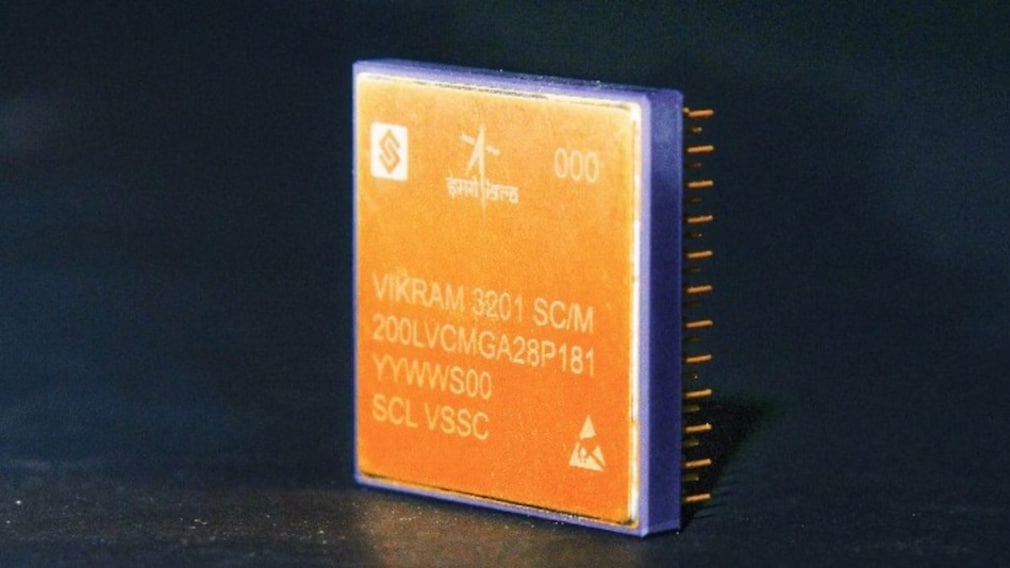
India on Tuesday unveiled a fully indigenous 32-bit microprocessor - 'Vikram', that has been developed by, and for, the Indian Space Research Organisation - at a semiconductor industry event in Delhi.
At the event Prime Minister Narendra Modi, fresh from China and the Shanghai Cooperation Organisation, called microprocessors 'digital diamonds'. "If the last century was shaped by oil, this is by a small chip," he said, emphasising the importance of these miniature powerhouses of computing.
The Prime Minister was, if anything, underplaying the significance of microprocessors in a world dominated by the digital, a world in which everything - from the watch on your wrist and the car in your garage to the life-saving medical equipment at hospitals - relies on microchips.
Nearly every modern electronic item needs microchips, and India is positioning itself to be a key player in this space, competing against Taiwan, China, South Korea, and the United States.
Pitching for increased global investment in India's nascent semiconductor and microprocessor industry - worth an estimated $50 billion today and projected to cross $100 billion by 2030 - the Prime Minister declared, "The world is ready to build the semiconductor future with India."
Sources told NDTV that explosion has already begun; $18 billion is to be invested across 10 fabrication facilities and, simultaneously, the government is building a 'comprehensive ecosystem' for the design and development, manufacturing, and packaging of microchips.
India's 'Vikram' Microprocessor
India's first fully home-made chip is a 32-bit microprocessor with a custom instruction set architecture.
This means it can handle 32 bits of data at a time and can be programmed - i.e., the instruction set architecture, or ISA - to understand and execute a wide variety of orders.
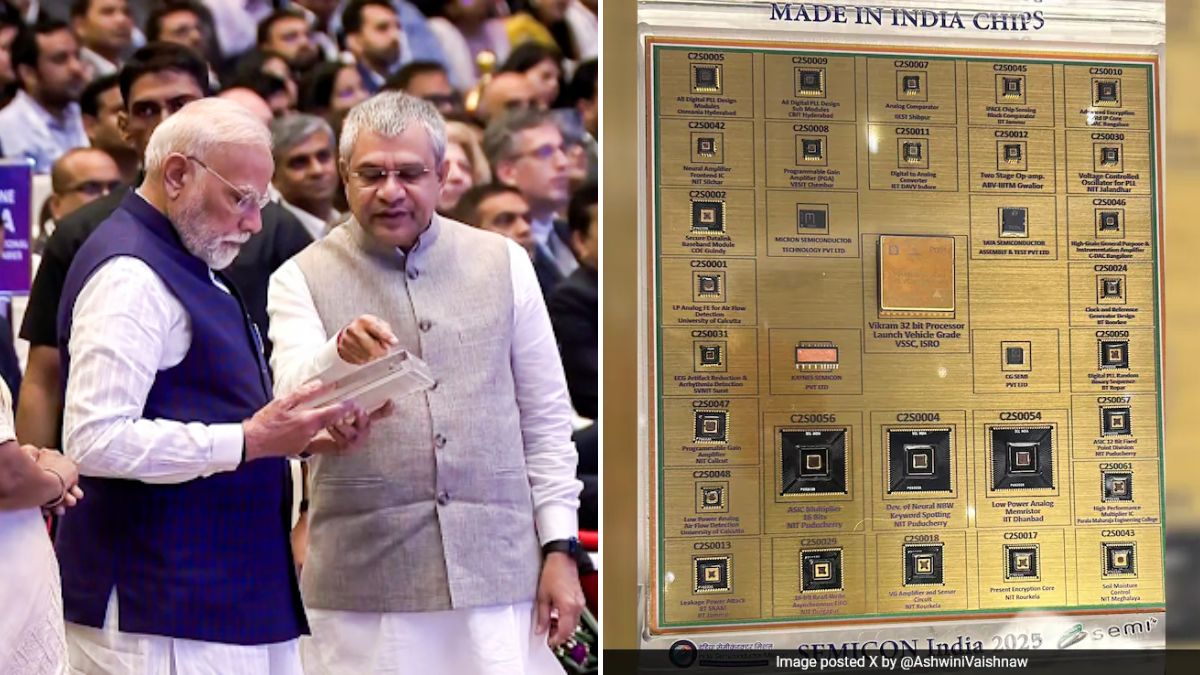
PM Modi and IT Minister Ashwini Vaishnaw at the 'Vikram 3201' launch event
It also has high-level support for the Ada programming language, which is widely known for its reliability and has applications in satellites, air traffic control systems, and launch vehicles.
That is not unexpected given 'Vikram' was designed by India's space agency for use in harsh conditions. In fact, it can withstand a range of temperatures - from -55 to 125 degrees Celsius.
Properly called 'Vikram 3201', it is an upgrade over the 1601 variant - which can compute only 16 bits of data at a time - that ISRO has been using since 2009.
The 'Make-in-India' Plan
'Vikram' is a big step in the government's 'aatmanirbhar', or 'self-reliant' India, push.
It is critical because it confirms India's capacity to design and manufacture space-grade microprocessors, chips that can withstand extreme temperatures and remain fully functional.
First ‘Made in India' Chips!
— Ashwini Vaishnaw (@AshwiniVaishnaw) September 2, 2025
A moment of pride for any nation. Today, Bharat has achieved it. 🇮🇳
This significant milestone was made possible by our Hon'ble PM @narendramodi Ji's far-sighted vision, strong will and decisive action. pic.twitter.com/ao2YeoAkCv
Being able to make this at home - and Mr Modi made mention of this during his Independence Day speech - will significantly reduce the cost of India's space missions.
READ | "Made-In-India Semiconductor Chip This Year": PM Modi
It will also pave the way for the design and manufacture of chips for civilian use.
That will feed a larger commerical ecosystem of electronics giants, like Apple or Samsung, or others for whom they are a critical component, such as the $240 billion automotive industry that accounts for over five per cent of India's GDP, and the nearly $18 billion appliances and consumer electronics industry.
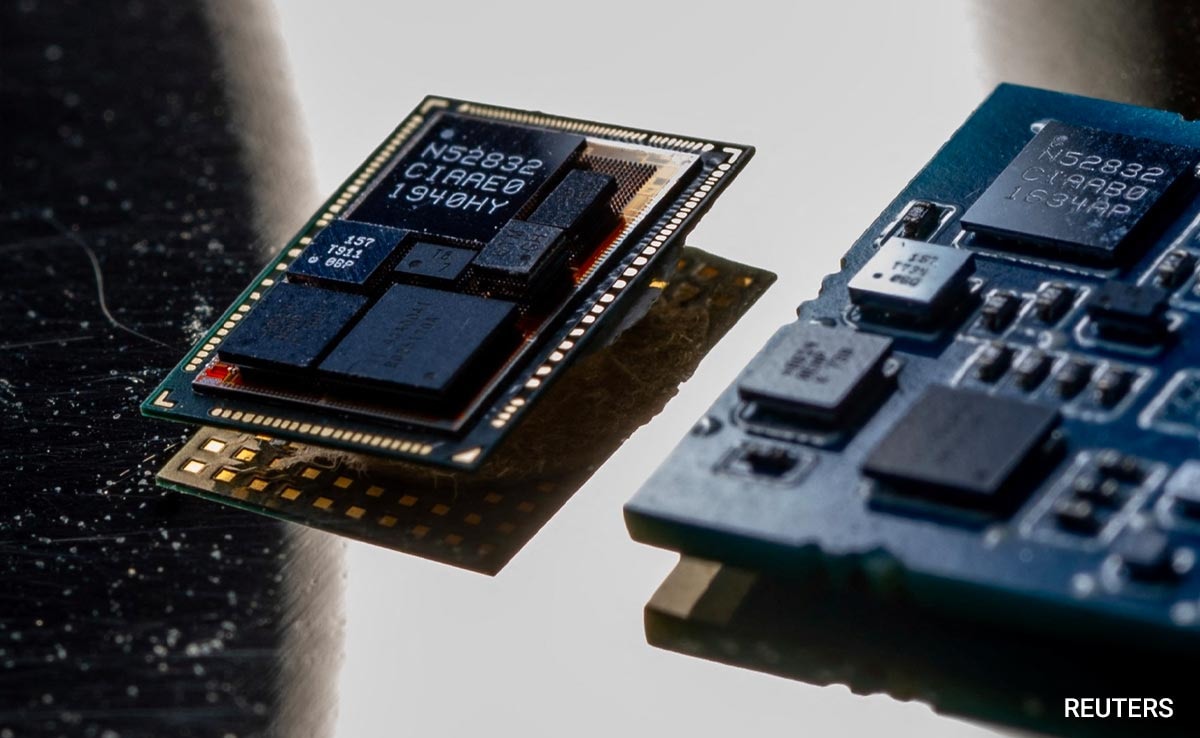
China, Taiwan, South Korea, and the United States are the world's largest chip makers (File)..
Being able to source high-quality chips locally, rather than importing them from China or Taiwan, will incentivise them to set up production facilities here, rather than building abroad and shipping them in.
This will also keep prices low in a famously price-sensitive market.
Looking Forward
The country's semiconductor industry - the base on which its microcip and microprocessor plans must be built - is growing, rapidly, after several false starts.
Government investment has been substanial - under the India Semiconductor Mission, a nodal agency under the Ministry of Information Tech and Electronics, over $7 billion has already been committed towards building and operationalising fabrication plants across the country.
READ | Semiconductor Market To Explode By 2030, India To Play Key Role
The private sector has stepped up as well.
In July there were reports Tata Electronics had signed a $10 billion electronics and semiconductors deal with German tech giants Robert Bosch GmbH for plants in Assam and Gujarat.
And, in May the government greenlit a $433 million venture between HCL and Foxconn to produce display driver chips for mobile phones, laptops, and other devices in Uttar Pradesh.
Billions more have been committed to fabrication and packaging plants in Andhra Pradesh, Odisha, and Punjab. In the latter, the government has cleared a factory that can make 15.8 crore chips per year.
The investment is sizeable. The idea is simple - reduce purchase of semiconductors and chips from foreign countries to cut down the import bill and strengthen domestic manufacturing.
Local fabrication will also enhance the electronics sector's supply chain resilience, which is especially vital after global disruptions dating back to the pandemic have affected global manufacturing.
And all of this will boost the economy and provide more jobs, over 300,000 direct and indirect employment opportunities by 2026 alone, according to some estimates.
What's more, in terms of the raw materials needed, India is rich in chemicals, minerals, and gases, making it well-suited to support the production requirements of the semiconductor supply chain.
NDTV is now available on WhatsApp channels. Click on the link to get all the latest updates from NDTV on your chat.
-
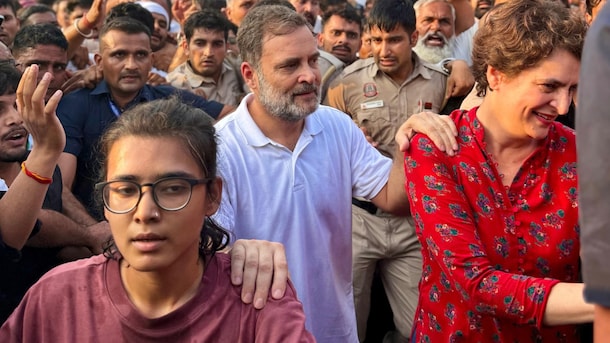
A Step Behind Neha Bora: What Rahul Gandhi's Gesture Says About Congress' Gen-Z Pitch

At INDIA bloc's march to Supreme Court, Rahul Gandhi placed himself a step behind two women, hands resting on their shoulders. One was his sister Priyanka. The one on his right was Neha Bora. Here's what the image means for the protest wave now, and for Rahul's politics in general.
-
Opinion | Slurs, Threats, Now A Temple Attack Plot: When Did America Become So Hostile Indians?
The rising tide of anti-India, anti-Hindu, and racist attacks serves as a stark reminder that economic prosperity does not automatically guarantee social immunity from bigotry.
-
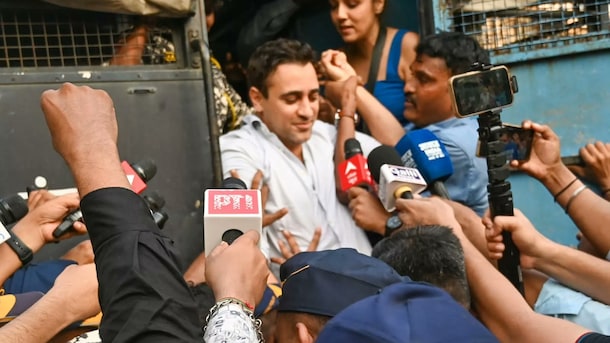
Opinion | Imran Khan, And The Perils Of Having An 'Opinion' In Bollywood
The reality of the industry is quite grimy. More often than not, its inhabitants have been fairweather friends, happy to sing the praises of whoever is in a position of authority.
-
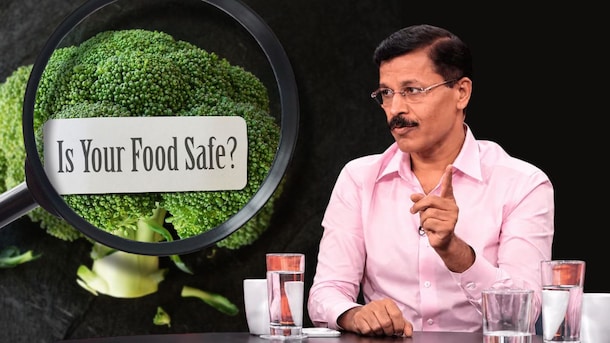
Exclusive: India's Food Safety Problem Goes Beyond Just Dirty Kitchens - By Tukaram Mundhe
On World Food Day, Maharashtra's Commissioner of Food Safety explains why instead of taking stopgap measures, the entire supply chain in India needs to be held accountable and made transparent.
-
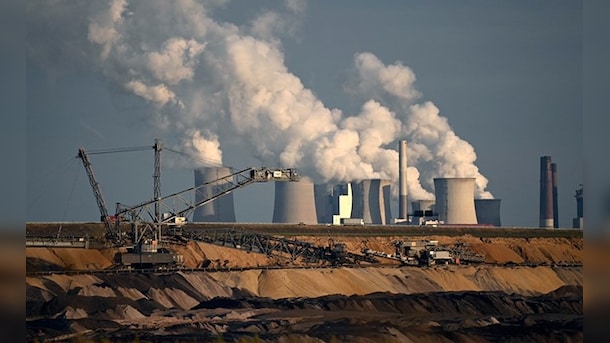
Opinion | India Has Enough Coal. So Why Are Power Plants Running Short? A 76 Million 'Crunch'
As of October 5, as many as 82 of the 191 thermal plants monitored by the Central Electricity Authority were in the 'critical' category
-
Opinion | Starlink, India, And Why Elon Musk Must Know His Billionaire Tantrums Won't Work
India should neither be intimidated by Musk's global influence nor distracted by his theatrics.
-
Blog | 'Baap Da Brat': Kerala Mini Cooper Crash, And Why 'Daddy' Can't Keep Saving You
There are three things you should never underestimate in India: the power of 'jugaad', the elasticity of the law, and the confidence of a 'Baap da Brat' who believes his Papa Posh can fix absolutely anything.
-
Opinion | 'Say Our Name': Why A Tiny Island Nation Wants The World To Get Its Name Right
Standing before the UN hall of nations, Naoero President David Adeang asked the world to unlearn its comfortable habits and speak a restored truth.
-
TVS Succession Row Explained: Why Venu Srinivasan's Family Is Divided Over Wealth
TVS Family Dispute: TVS Holdings is a key entity because it owns a controlling stake in TVS Motor Company. It owns 50.26% of TVS Motor.
-
Opinion | The US Is Showing India Just How Cheap Its 'Friendship' Is
Can local talent fully replace Indian contribution? Why is the US leading in setting up Global Capability Centres in India - over 60% - and pocketing the IP?