From Climbing On JP's Car To Ousting Left: Mamata Banerjee's Bengal Journey
Mamata Banerjee's political journey is a testament that she is at her most ferocious when she faces a difficult battle
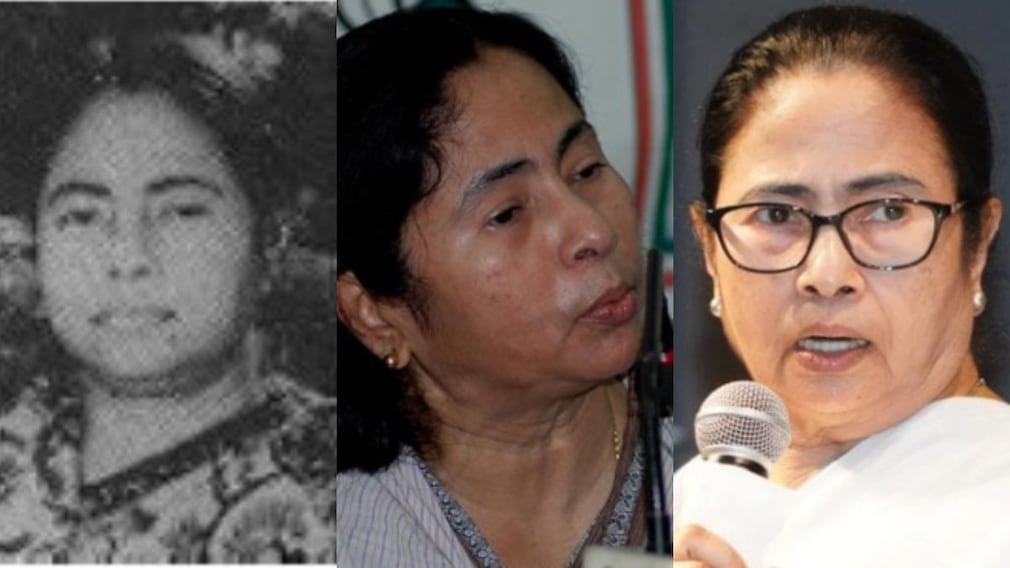
August 25, 1975: Resistance against the Emergency imposed by the Indira Gandhi government is growing. Jayaprakash Narayan, the face of this resistance, is in Kolkata. The car he is sitting in is on College Street, a hotbed of student politics, when some Youth Congress activists block its way. Suddenly, a young woman in a cotton saree climbs onto the car's bonnet. She raises slogans against the veteran Gandhian. Press photographers spot the enthusiastic 20-year-old and capture the moment, unaware of the political journey that awaits this gutsy woman. The woman's name is Mamata Banerjee, and between that day and this, the street has been her stronghold.
As Bengal gears up for a high-voltage election, many think Mamata Banerjee faces a tough fight this time. Now 71, the Trinamool's founder-chief has been Chief Minister for three terms. Her party faces anti-incumbency and allegations of large-scale corruption. The main opposition, the BJP, is going all-out to turn the tables and the Special Intensive Revision has only added to the uncertainty and confusion. But her political journey is a testament that she is at her most ferocious when she faces a difficult battle.
The Beginning
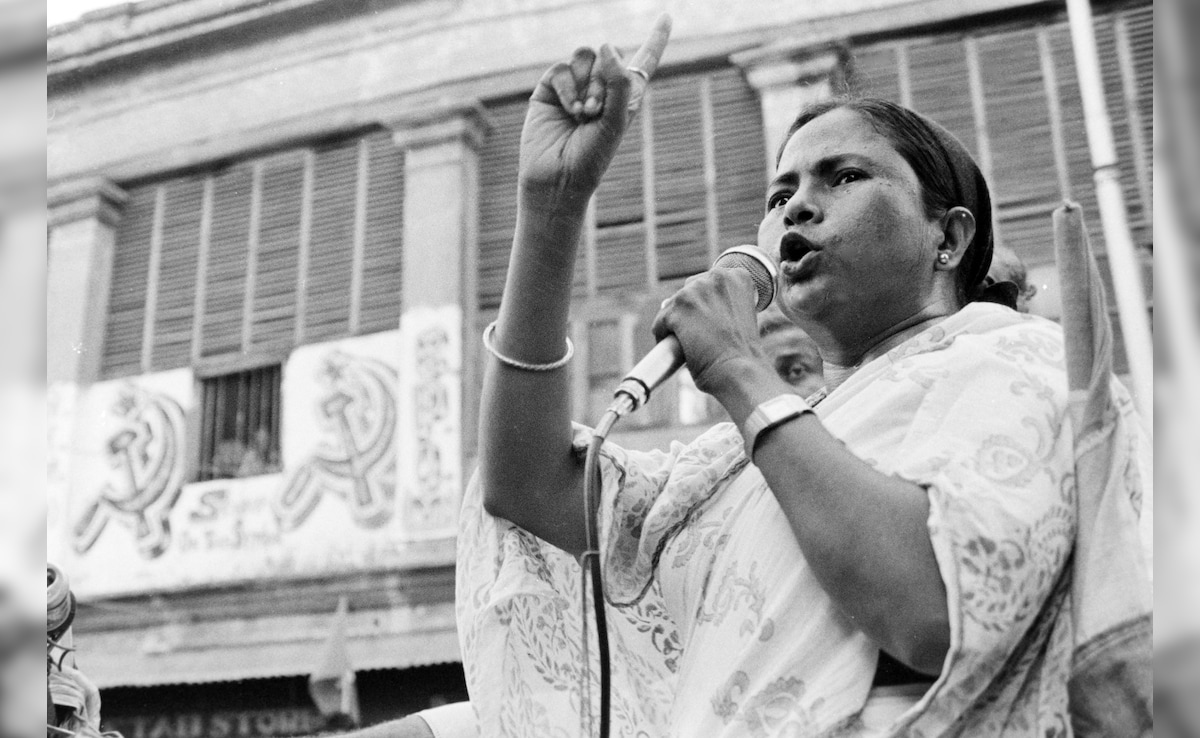
Banerjee was 17 when her father, Promileswar Banerjee, died. She has said in interviews that he died due to lack of treatment and that the family could not pay medical bills because government departments did not clear the dues of his father, who worked as a contractor. A cheque for Rs 60,000 reached the Banerjees' home on Harish Chatterjee Street the day after her father died. "The cheque was useless; it couldn't bring my father back to life. Only God is witness to our trauma and our struggle for survival after Baba passed away," she told Outlook in an interview in 2012.
As a college student, Banerjee's life was different from that of her peers. She would wake up at the crack of dawn and cook for her five siblings and mother before going to college.
In later interviews, she has spoken about the gulf between her and her classmates' lives. As they would be fascinated by new and trendy clothes, all Banerjee could afford were cotton sarees. These sarees would later become a key component of Brand Mamata.
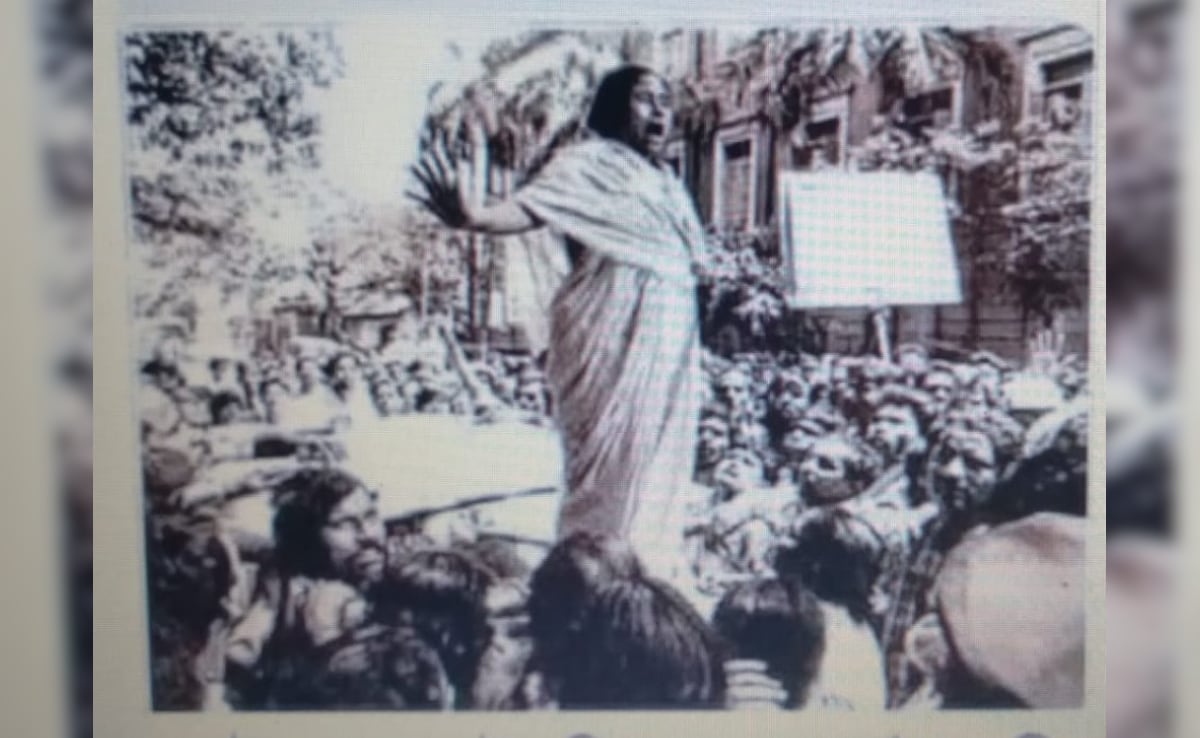
Mamata Banerjee climbed onto the bonnet of a car Jayaprakash Narayan was in during a Kolkata protest
Early Political Start
Banerjee graduated from school in 1970 and joined Kolkata's Jogomaya Devi College. Still in her teens, she led the Congress students' wing, Chhatra Parishad, to a victory in the college polls. The leadership noticed her fiery brand of politics and she became the general secretary of the Bengal unit of Mahila Congress (Indira) in 1976. In the 1984 Lok Sabha election, a 29-year-old Banerjee was elected to Parliament for the first time. She defeated the late Somnath Chatterjee, veteran Left leader and former Lok Sabha Speaker, in Jadavpur. After a defeat in the 1989 polls, she returned to Parliament in the 1991 election after winning from the Calcutta South constituency. She would retain this seat till she became Chief Minister 20 years later.
Her Central Roles
Banerjee was named a junior minister in the PV Narasimha Rao government after the 1991 election. Shortly after, she started targeting her party's government and accused the state Congress leadership of being a stooge of the ruling CPM in Bengal. These differences with the state Congress widened over the next few years, and in 1997, Mamata Banerjee founded the Trinamool Congress.
After the NDA victory in the 1999 Lok Sabha election, Banerjee became Railways Minister in the Atal Bihari Vajpayee government. In 2001, however, she walked out of the cabinet after the Tehelka expose on corruption in defence deals raised a political storm. She returned to the NDA government in 2003 and became the Coal and Mines Minister.
The next year, NDA was voted out of power, and Trinamool, which had allied with the BJP, suffered a massive setback in the general election. She would later return as Railways Minister in the UPA government before vacating the post to take over as Bengal Chief Minister after the 2011 win.
The Streetfighter
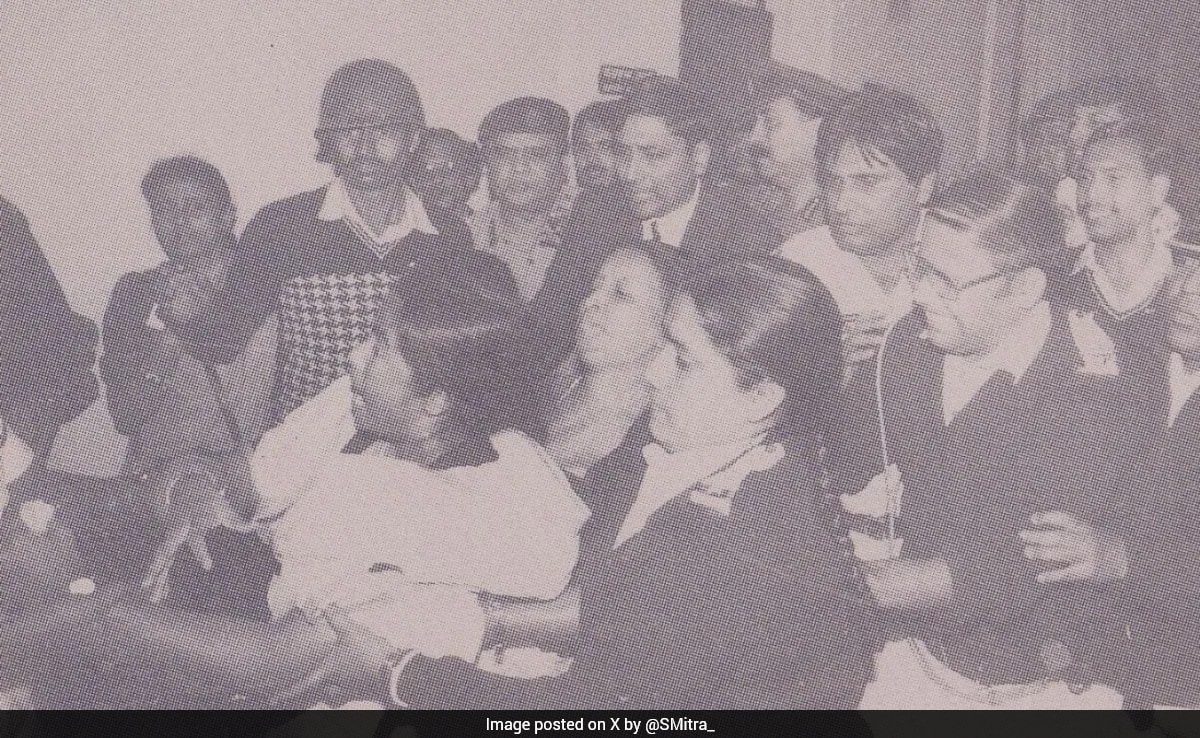
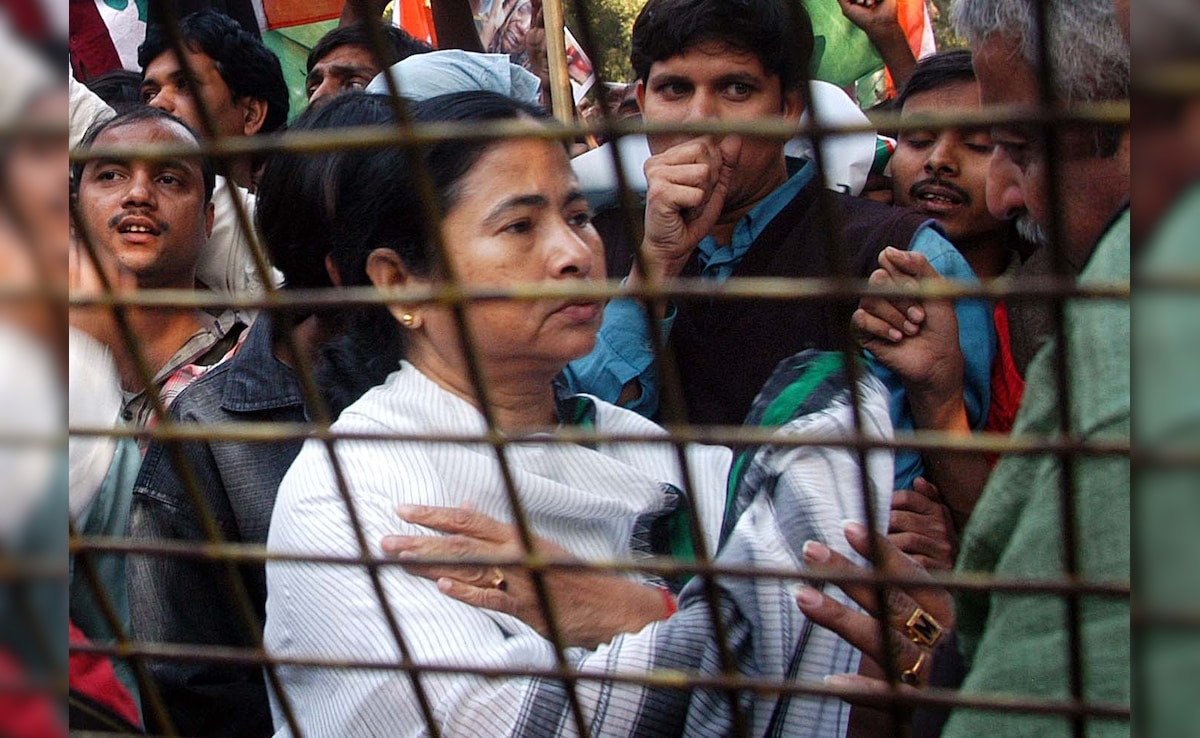
Since the beginning of her political journey, Mamata Banerjee has never shied away from a protest. Some iconic moments played out in December 1992. Banerjee, then with the Congress, took a speech-and-hearing-impaired girl, Dipali Basak, to the Writers' Building, then the secretariat of the Bengal government for a meeting with Chief Minister Jyoti Basu. Dipali Basak was allegedly raped by a CPM leader and Banerjee wanted to raise this with the Chief Minister. An appointment was fixed, but Basu left without meeting her. Banerjee responded by holding a sit-in at the secretariat, till she was physically removed by cops and put in detention. Reports say her saree was torn and her hair pulled as the security personnel brought her down the steps of the Writers' Buildings. Banerjee vowed never to enter the secretariat till she became Chief Minister. And she did, 19 years later.
Less than a year later, on July 21, 1993, Banerjee called a march to Writers' Buildings to protest against alleged vote rigging by CPM and to demand that voter IDs must be the only document required for voting.
As the march approached the secretariat, the police used force to disperse the protesters. But they walked on. Mamata Banerjee took blows too. Eventually, the cops opened fire. Thirteen people were killed. Since then, Trinamool observes July 21 every year as Martyrs' Day.
The Singur-Nandigram Moment
In 2000, Buddhadeb Bhattacharjee took over as Bengal's Chief Minister after Jyoti Basu stepped down. This was the turn of the millennium, and the Communist government was under pressure to boost industrial growth. It tried to switch gears and ran into land acquisition troubles.
Two places - Singur and Nandigram - became focal points of Banerjee's protest against forced land acquisition. In Singur, her opposition against the Tata Motors Plant led her to a 26-day hunger strike in December 2006. Her deteriorating health alarmed then President APJ Abdul Kalam and then Prime Minister Manmohan Singh, who eventually wrote to her, requesting her to call off the strike.
In Nandigram, 14 villagers were killed on March 14, 2007, when police tried to break off the protest against land acquisition. These protests and Banerjee's dogged resistance boosted her electoral prospects. After a stellar performance by Trinamool in the 2009 Lok Sabha election, the party ended the three-decade Communist rule in Bengal in 2011.
Critics say the exit of Tata Motors from Bengal due to protests had a long-term impact on the state's image as an industrial hub. The Supreme Court, however, held the land acquisition in Singur illegal, vindicating Banerjee's stand.
As Chief Minister
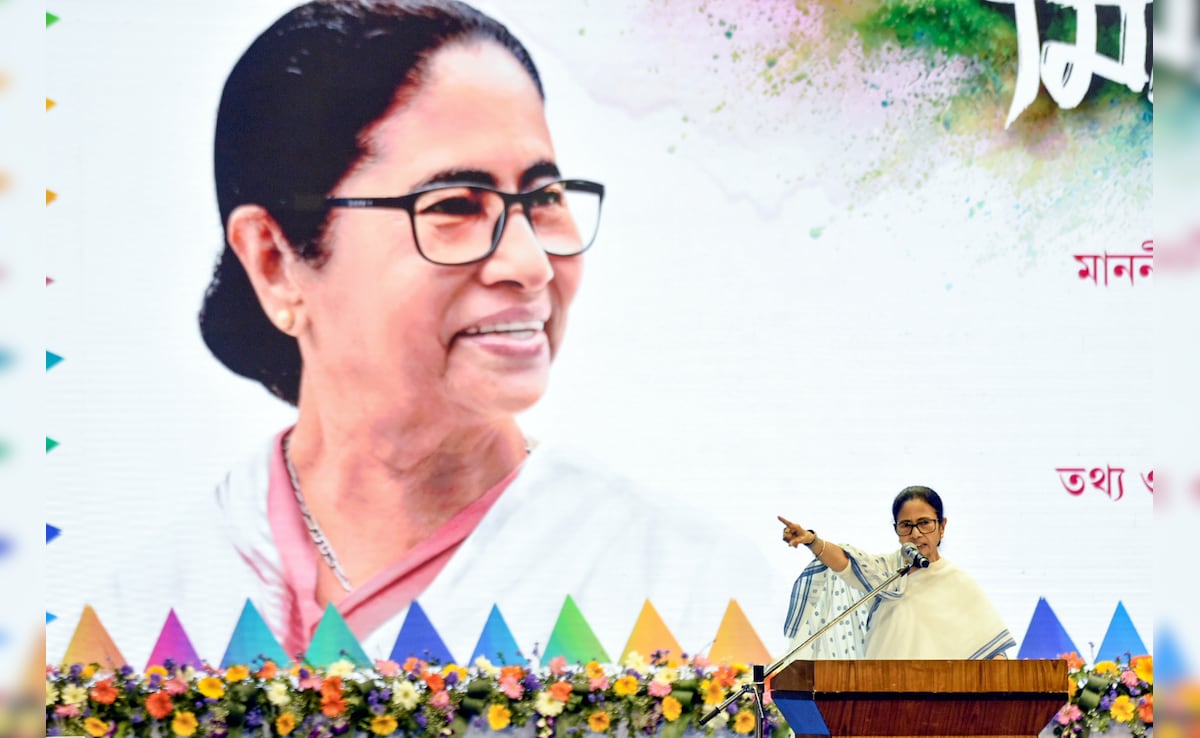
2011 brought a new role for Mamata Banerjee. From a firebrand leader taking on the Establishment, she had now become the Establishment. Over the past 15 years, Banerjee has cemented her position as Bengal's tallest political figure. She is her party's biggest star campaigner and commands massive popularity across the state.
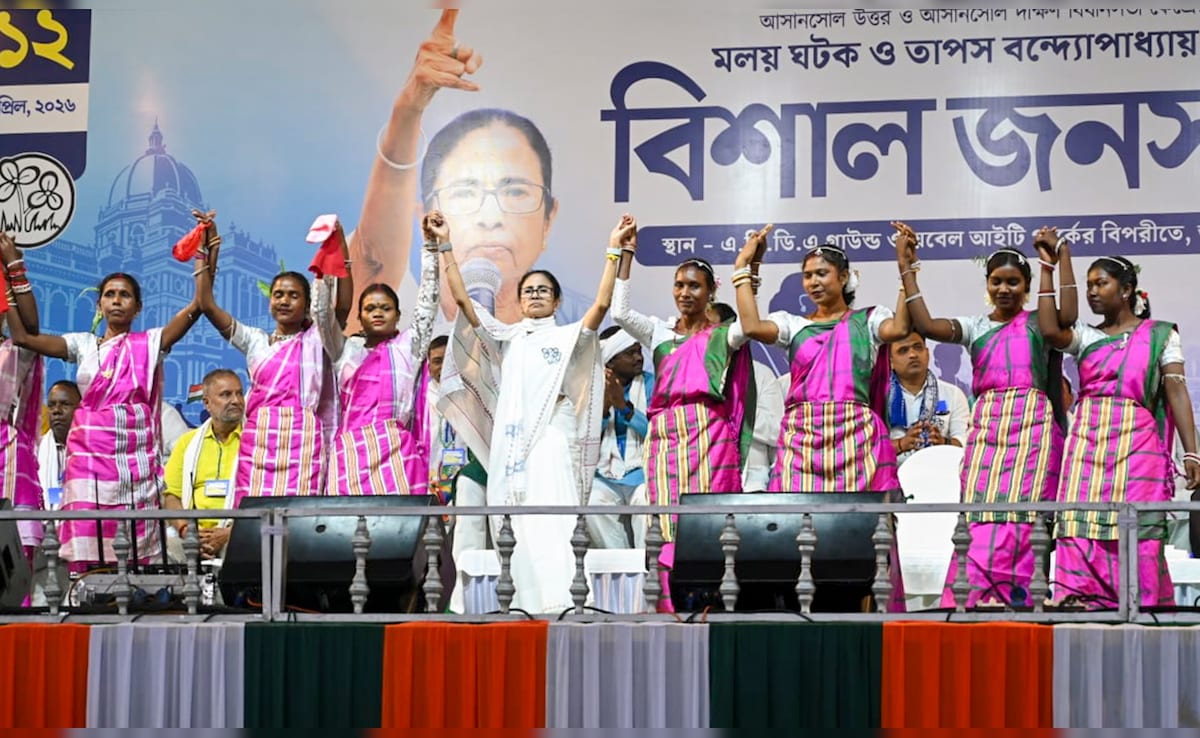
Banerjee is different from her predecessors in the Bengal Chief Minister's Office, who exuded a certain gravitas in public life. Banerjee, on the other hand, projects herself as accessible, joining in dances in tribal belts and interacting freely with the public. While the Kolkata bhadralok scoffs at this, the rural Bengal voter finds a connection, and this has led to massive electoral dividends for Trinamool.
A key voter base Banerjee has cultivated is women. Through women-centric schemes such as Kanyashree and Lakshmir Bhandar, she has built a massive support base that has helped keep the opposition at bay in every election.
Not all is rosy, though. Banerjee has drawn fire for crimes against women during the Trinamool regime. In 2012, her remarks on the Park Street rape case had sparked national outrage. More recently, the rape-murder of a doctor in the government-run RG Kar Medical College and Hospital in Kolkata triggered protests across the country. Trinamool, however, has countered such criticism and said women are safer in Bengal than in BJP-ruled states.
Corruption allegations are another major challenge. Key Trinamool leaders, including its former minister Partha Chatterjee, have come under the scanner of central agencies for corruption. Visuals of crores of cash being recovered from premises linked to Chatterjee had made national headlines. Also, large-scale irregularities in teachers' recruitment had left the Trinamool red-faced in the Supreme Court.
Banerjee has repeatedly said that the central agencies' actions against her party's leaders in corruption cases are part of a political conspiracy by the BJP-led central government. She has also accused the Narendra Modi government of withholding Bengal's dues.
The 2026 Battle
Banerjee has 15 years of anti-incumbency behind her, and the main opposition BJP has vowed to unseat her this time. But the biggest talking point in this Bengal election is SIR. While the Election Commission stresses that the exercise is to weed out errors from the voter list, Banerjee and her party have maintained that the poll body is working at the BJP's behest and striking off names of bona fide voters from the list. In the electoral arena, her estranged lieutenants are now her arch-rivals.
And faced with these challenges, Mamata Banerjee has done what she does best: hit the streets and go to the people. She has held rallies and protests against SIR and is campaigning extensively for the two-phase election. The result will only be out on May 4, but one thing is clear: Mamata Banerjee will fight tooth and nail. She always has.
-
Census Asks 40 Questions. Why Number 10 Is A Battleground | NDTV Explains

The caste question is a fill-in-the-blank for everyone other than SCs and STs. But there's a case for making it a dropdown with set options. Let's decode the history and math behind the politics.
-
Before The Nepal Flood, A Glacial Fall: Tracing The Trigger, And A 100-km Killer Surge
A glacier came off a ridge on the Nepal-China border and travelled 100 km down multiple rivers, the longest part of the run being in the Trishuli.
-
Opinion | China To Pak To America, The Growing Dilemmas Of The 'General'
Recent civil military turmoil in the United States, China and Pakistan can be understood through two lenses.
-
Opinion | Why India's Bureaucrats Have Learnt That Doing 'Nothing' Is Safer
India's bureaucracy has perfected a peculiar survival strategy: make a decision, you may be punished; make none, and you are usually safe.
-
Opinion | 482 Dead, And Counting: How A Glacier Collapse Became A Himalayan Disaster
What looks like a sudden flood is actually the final link in a chain of events unfolding across an increasingly unstable Himalayas
-
Opinion | Rahul Gandhi Is Cleaning House - But At The Cost Of The Congress
In his search for a new organisation, Rahul Gandhi is making the big mistake of treating the Congress he inherited as dead weight.
-
One-Day Disaster, Multi-Season Economic Shock: Nepal's Sisyphean Curse
Nepal Flash Floods: Nepal cannot prevent every earthquake, landslide or glacial collapse. But it can reduce how much each disaster costs.
-
Meta Pays Billions Over Teen Harms In US. In India, Algo Runs Unchecked
The US Surgeon General has separately warned that heavy social media use roughly doubles adolescents' risk of depression and anxiety, and that nearly half of teens surveyed said it made them feel worse about their bodies.
-
Blog | 'No Calls, People Scanning Banks For Bodies': Nepal Journalist Describes Flood Aftermath
As of Thursday evening, it was still impossible to get through to mobile phones in Dhunche, the district headquarters, or the flood-ravaged towns of Syabru Bensi or Timure.