NDTV Probe: CSAM, Sexually Suggestive Content, Gun Culture On Social Media
The probe has uncovered a wider pattern of exploitative and illegal content slipping past moderation, raising questions about the consistency and effectiveness of enforcement.

Sexually suggestive videos of children with equally suggestive captions. AI-generated exploitative content. Telegram channels selling child sexual abuse material for as little as Rs 50. An NDTV investigation has found all of this discoverable across some of the world's largest social media platforms, Instagram, Facebook and Telegram, despite policies on all three banning such material.
The probe has uncovered a wider pattern of exploitative and illegal content slipping past moderation, raising questions about the consistency and effectiveness of enforcement.
Some of the accounts and posts identified had amassed hundreds of views. But the content was not limited to sexually suggestive material. NDTV also found videos glorifying guns and gang culture. In the comments, users openly enquired about the prices of firearms shown in the videos. Terms such as "desi katta" appeared in captions and hashtags, suggesting the content was being actively promoted and engaged with.
Over several days, NDTV examined activity across Instagram, Facebook and Telegram, uncovering what appeared to be a broader online ecosystem where sexually suggestive content, AI-generated exploitative material, posts glorifying guns and gang culture, and Telegram channels advertising child sexual abuse material (CSAM) remained discoverable despite platform policies prohibiting such content.
Taken together, the findings raise serious questions about the effectiveness of platform moderation and the ability of harmful content to evade detection. They also underscore broader concerns about the safety of children and other vulnerable users navigating some of the world's most widely used social media platforms.
The Government of India sought Meta's response after child sexual abuse material was promoted through advertisements on Instagram. Authorities have issued a notice to the company, directed that the content be taken down, and sought an explanation for how such advertisements were allowed to appear on the platform in the first place.
Instagram: Suggestive Content, Child Exploitative Content
NDTV found multiple Instagram accounts carrying sexually suggestive content accompanied by provocative captions that appeared to push the boundaries of the platform's policies. While Instagram's Community Standards prohibit sexually explicit content, several such accounts remained accessible during the investigation.

The investigation also identified videos that appeared to exploit exceptions within Instagram's nudity policies for educational and awareness purposes by presenting otherwise permissible content in a sexually suggestive manner. Multiple accounts carried sexually explicit captions referring to various familial and interpersonal relationships.
Among the material reviewed were videos featuring young boys and girls, including posts that appeared to sexualise children or allude to child sexual abuse. Instagram states that it has zero tolerance for child exploitation and uses technology to detect and remove such material. However, the availability of such content raises questions about the consistency of enforcement.
Telegram: CSAM For Rs 50
Separately, NDTV investigated Telegram and found channels advertising what appeared to be child sexual abuse material for as little as Rs 50, using the abbreviation "CP" under different categories. Several users here posted references to CSAM as "Indian CP", "Foreign CP", among several other categories.

To verify the claims, an NDTV reporter posed as a prospective buyer.
Following payment, the seller shared download links containing several gigabytes of files advertised as CSAM. The findings raise questions about how such channels continue to operate despite Telegram's stated efforts to remove illegal content and child exploitation material.
Responding to NDTV, Telegram said it prohibits the distribution of CSAM and uses "industry-leading moderation". The company said it had removed more than 305,000 CSAM groups and channels in 2026 and proactively scans public uploads against hash databases strengthened with datasets from the Internet Watch Foundation and India's Indian Cyber Crime Coordination Centre (I4C).
In a statement to NDTV, Telegram reiterated that it forbids distribution of CSAM. "We use industry-leading moderation and have removed over 305,000 CSAM groups and channels in 2026. To prevent reposts, we proactively moderate and scan public uploads against a hash database strengthened with datasets from the Internet Watch Foundation and India's I4C." - Telegram said in its statement.
Facebook: AI-Generated Exploitative Content And Promotion Of Telegram Channels
On Facebook, NDTV found pages carrying AI-generated sexually suggestive content featuring women who appeared to be Indian. Several posts depicted women in exploitative and degrading scenarios, while Facebook's recommendation system frequently served users additional content with similar themes after one video ended.
The investigation also found Facebook pages promoting Telegram channels carrying explicit material through posts, comments and page descriptions, raising questions about how recommendation algorithms and moderation systems deal with such content.

Meta says it uses advanced technology and dedicated teams to detect and remove policy-violating material, including child exploitation. The findings come amid increased government scrutiny over explicit advertisements and AI-generated content circulating on Meta's platforms.
In response to NDTV's queries, a Meta spokesperson said the company prohibits sexual exploitation and illegal activity.
"Criminals constantly change their tactics to evade detection, which is why we consistently work to improve our technology, block links to malicious websites, and support law enforcement in their efforts to prosecute the people behind this behaviour," the spokesperson said.
When NDTV reached out to Meta for a response, the company asked for links to such content. "We reviewed the few examples that were provided to us and removed the content that violated our policies," Meta said.
This investigation also documented posts glorifying guns and gang culture across social media platforms. Law enforcement agencies have repeatedly warned that criminal groups increasingly use social media to recruit and influence young people, including minors and first-time recruits.
Together, the findings point to broader concerns about online safety and platform accountability. Despite repeated assurances from technology companies regarding moderation and enforcement, the investigation found material that appeared to evade detection across multiple platforms.
-
Opinion | The Last Bet? What Trump's 'Mother Of All Bombs' Could Actually Do To Iran

Can an MOAB deliver a decisive blow to Iran that may force it to surrender immediately, as Japan did after Hiroshima and Nagasaki in World War 2?
-
Hit Songs, Empty Pockets: The Hidden Math Behind India's Viral Music Boom
Over 80,000 brands and five lakh creators in India make branded content. The opportunity is worth around Rs 1,500 crore.
-
Opinion | Great 'Exceptions': How The Oil India Was Attacked For Is The Oil Trump Now Seeks
A law written to punish the buyers of Russian oil was suspended by the US to protect a purchase of Russian oil. India spent fourteen months being lectured for less.
-
Opinion | Louis Vuitton Loot, Torched Cars: France Protests Have An Unlikely Beneficiary
It's an unbelievable moment. Crowds looting the most exclusive stores in Paris, including the famed Luis Vuitton. But what's behind this meltdown?
-
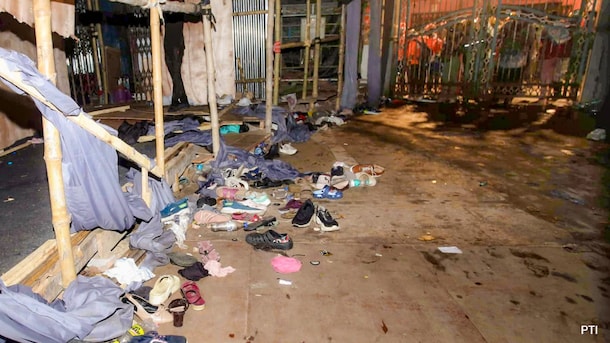
Blog: Kolkata Didn't Learn From 2015. Eleven Years Later, It Proved To Be Fatal
The City of Joy isn't a stranger to crowd control. Be it during Pujo or Christmas at Park Street, Eden Gardens cricket matches, or Derbies between Mohun Bagan and East Bengal. But during Pujo, the entire city is on alert.
-
Opinion | Slurs, Threats, Now A Temple Attack Plot: When Did America Become So Hostile To Indians?
The rising tide of anti-India, anti-Hindu, and racist attacks serves as a stark reminder that economic prosperity does not automatically guarantee social immunity from bigotry.
-
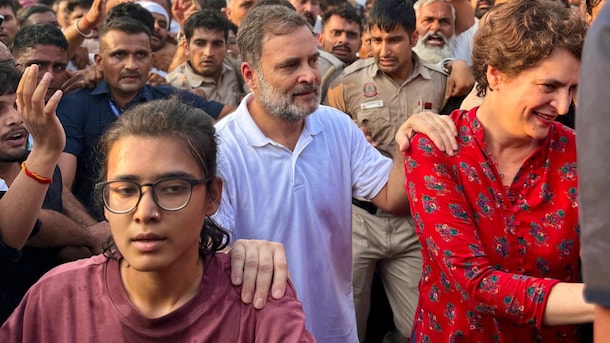
A Step Behind Neha Bora: What Rahul Gandhi's Gesture Says About Congress' Gen-Z Pitch
At INDIA bloc's march to Supreme Court, Rahul Gandhi placed himself a step behind two women, hands resting on their shoulders. One was his sister Priyanka. The one on his right was Neha Bora. Here's what the image means for the protest wave now, and for Rahul's politics in general.
-
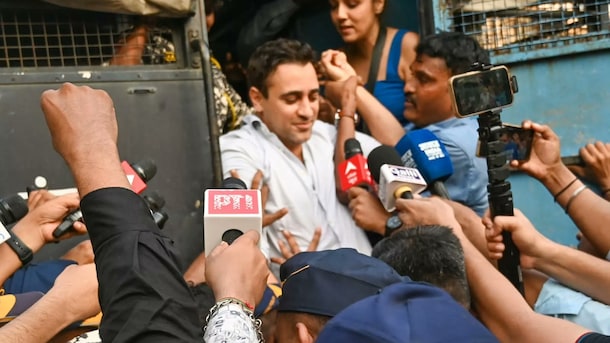
Opinion | Imran Khan, And The Perils Of Having An 'Opinion' In Bollywood
The reality of the industry is quite grimy. More often than not, its inhabitants have been fairweather friends, happy to sing the praises of whoever is in a position of authority.
-
Exclusive: India's Food Safety Problem Goes Beyond Just Dirty Kitchens - By Tukaram Mundhe
On World Food Day, Maharashtra's Commissioner of Food Safety explains why instead of taking stopgap measures, the entire supply chain in India needs to be held accountable and made transparent.
-
Opinion | India Has Enough Coal. So Why Are Power Plants Running Short? A 76 Million 'Crunch'
As of October 5, as many as 82 of the 191 thermal plants monitored by the Central Electricity Authority were in the 'critical' category