Pak Peace Talks Flop, Iran Jabs Trump, US With Ghost Of Obama Nuke Deal
The collapse of US-Iran peace talks in Pakistan exposed deep contradictions in Washington's approach to Tehran's nuclear programme, particularly in the context of Donald Trump scrapping the 2015 JCPOA.
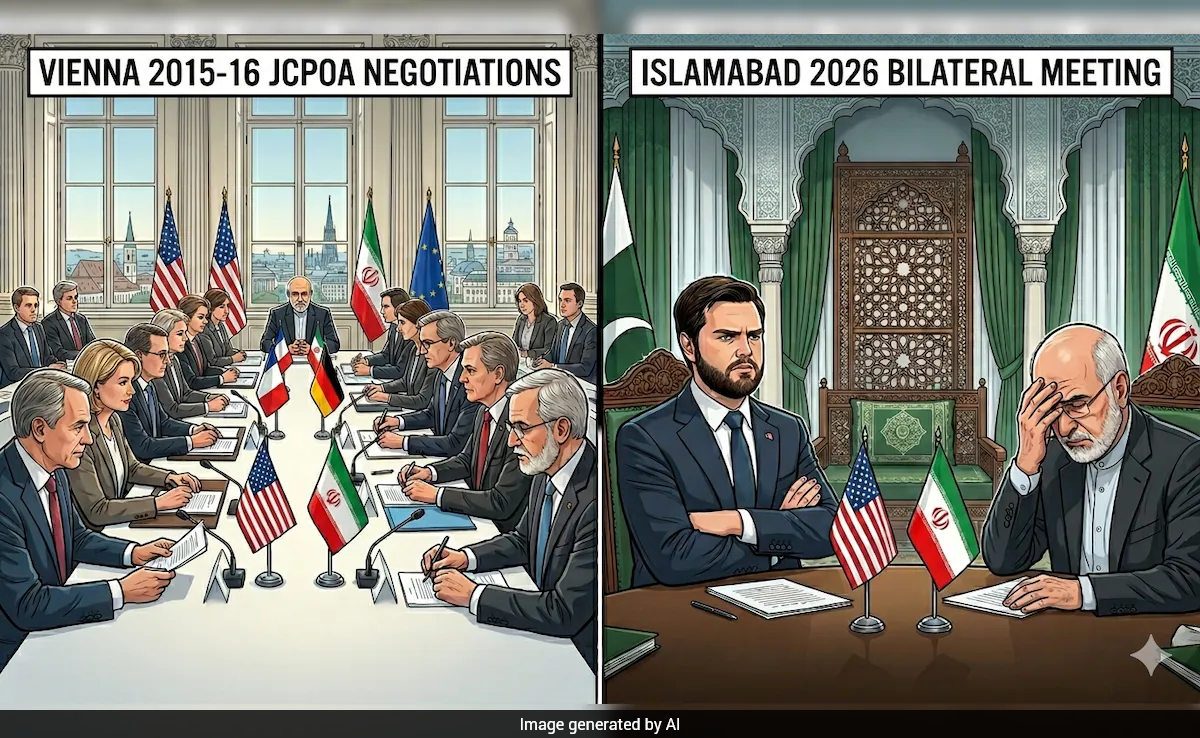
Last week's US-Iran peace talks in Pakistan broke down over the latter's nuclear ambitions.
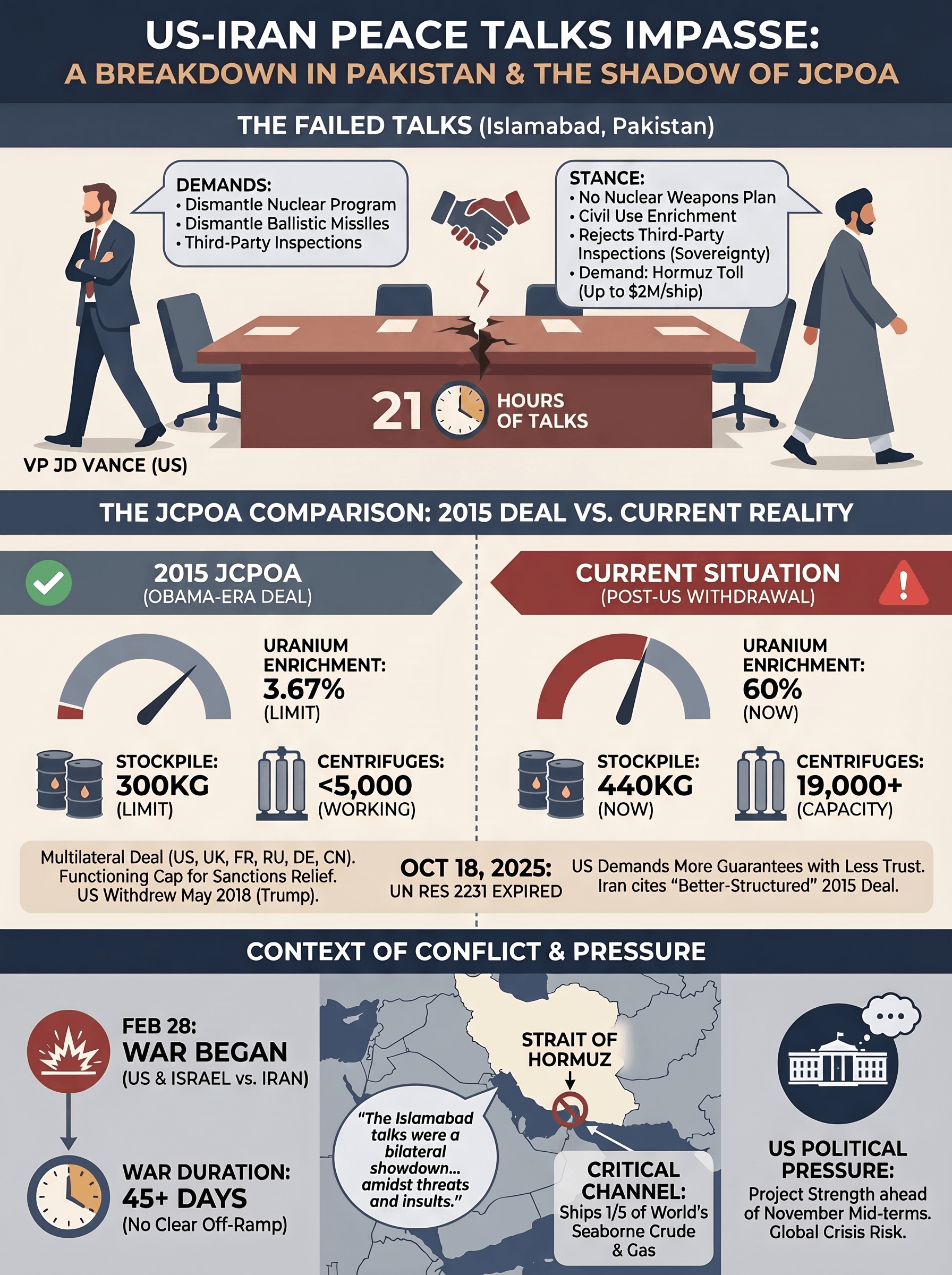
Washington insisted Iran has plans to build nukes and demanded outright dismantlement of its nuclear weapons-related programmes, as well as its ballistic missile capabilities.
Tehran stressed it has no plans to build nuclear weapons and that its enriched uranium is for civil use only. Iranian negotiators also rejected third-party inspection demands by the US delegation, led by Vice President JD Vance, as infringing on its sovereign rights.
Already divided over nukes, negotiators also stumbled over Iran's demands to collect a toll - up to US$2 million per ship - from oil tankers and cargo vessels transiting the Strait of Hormuz. After 21 hours of talks both sides walked away. There was to be no peace.
As the two walked away, the Iranians tossed a 2015 JCPOA reminder at the Americans, referring to the multi-tiered Joint Comprehensive Plan of Action signed by then-President Barack Obama.
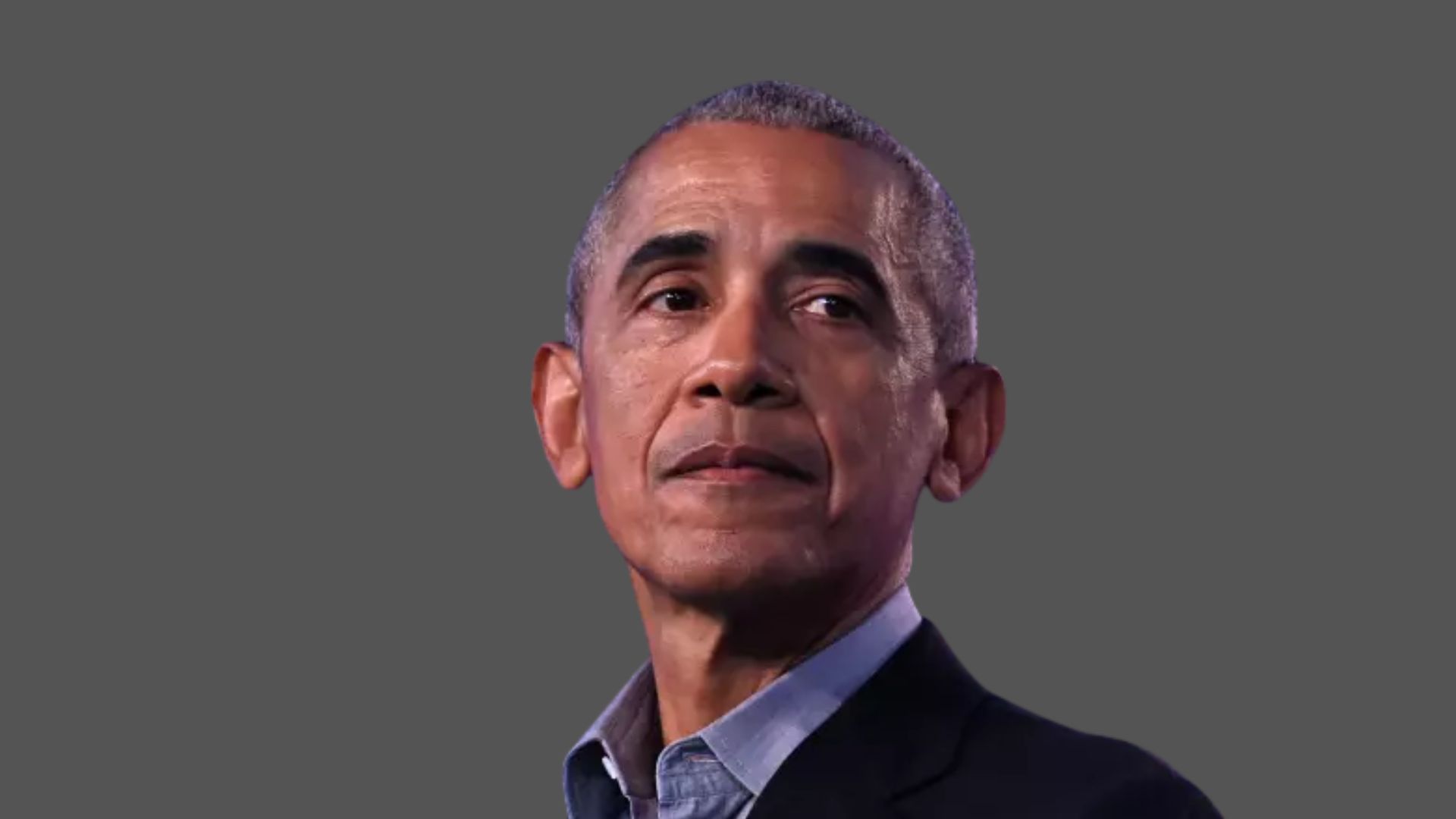
The 2015 JCPOA was signed when Barack Obama was US President (File)
.The reminder was stark, at least from Iran's perspective. Eight years ago, Tehran's argument goes, the US walked away from a better-structured, functioning deal that set greater limits on Iran's nuclear programme.
Now they're back to demand more guarantees but with much less trust, particularly after starting a war widely denounced as illegal, and after a barrage of insults and threats by US President Donald Trump on social media.
What was JCPOA?
The Obama-era JCPOA - which Trump sneered at and withdrew from in 2018, during his first term - prevented Iran from building nuclear weapons by limiting uranium enrichment to 3.67 per cent (now at 60 per cent) and reduced material stockpiles to 300kg (now at 440kg).
It also reduced Iran's capacity to enrich uranium by mandating a reduction in working centrifuges - from 19,000+ to less than 5,000 - and required regular IAEA inspections.
| Category | Point 1 | Point 2 |
|---|---|---|
| Enrichment | For 15 years, uranium (U-235) enrichment capped at 3.67% | For 10 years, operating centrifuges reduced to 5,060 IR-1s |
| Uranium Stockpile | For 15 years, limited to 300kg of 3.67% enriched uranium | Excess diluted, sold, or shipped abroad |
| Fordow | Converted to stable isotope research centre | For 15 years, no uranium enrichment |
| Arak Reactor | Core redesigned to minimise plutonium | For 15 years, no heavy-water reactors started |
| Monitoring & Verification | 25 years: Continuous uranium mine/mill monitoring | 20 years: Centrifuge production monitoring |
| Joint Commission | 25 years of quarterly oversight meetings | 35-day dispute resolution with snapback option |
| UN Sanctions | Prior resolutions terminated on Implementation Day | 10-year snapback via UNSC veto |
| US Sanctions | Lift on oil, banking, SWIFT access | Non-nuclear sanctions (HR, terrorism) remain |
| EU Sanctions | End nuclear-related oil/shipping bans | Eight-year arms/missile embargo |
In short, it was a multilateral deal - the US, the UK, France, Russia, Germany, and China were all involved - that took more than two years to work out and was designed to run for a decade.
It was a functioning cap on Iran's nuclear programme in exchange for sanctions relief. The Stockholm International Peace Research Institute said the agreement was "technically sound with robust verification procedures" and that Iran had "fully lived up to its undertakings".
Till Trump walked away from it in May 2018.
His argument, like that of Saudi Arabia and Israel, was that the agreement did not include ballistic missiles and had too many loopholes, including one that allowed Iran to enrich uranium past the agreed-upon limit.
On paper the deal was valid because the other signatories remained, but in practice experts flagged enrichment past the 3.67 per cent mark on the back of Trump withdrawing the US.
In 2021 The Atlantic reported Tehran's enrichment programme had crossed 20 per cent, moving it "closer... to producing a bomb than it was in 2015, when the deal was concluded".
On October 18, 2025, the UN's Resolution 2231 - the JCPOA approval - ran its course, after which this particular chapter in oversight of Iran's nuclear programme was closed.
Then the fighting began
On Feb 28, the US and Israel began the war - a conflict supposed to end with a swift American victory and with Iran beaten into agreeing a 'much better deal'. But it has now dragged on for 45 days, with no clear off-ramp or even exit strategy.
And, if the failed Pak talks are an indication, Washington and Tehran poles apart from any agreement, with few, if any, of America's JCPOA allies apparently willing to pitch in, again. Also, the longer the war the more entrenched Iran's position - it has a sovereign right to ensure sustainable energy generation for its people and guarantee their security - will likely become.
Add to that the blockade on the Hormuz, the critical maritime channel that ships a fifth of the world's seaborne crude and gas, and pressure on Trump - to resolve a global military, energy, and economic crisis that was not on the horizon before the war - ratchets up very quickly.
What changed in Islamabad?
In hindsight, the peace talks could never have been truly peaceful. They were, instead, a bilateral showdown; the US intent on presenting an image of an all-powerful military power browbeating Iran into submission to project strength ahead of the November mid-terms, defeat in which could derail the Trump administration's agenda.
In hindsight, going into peace talks on the back of one side threatening to "wipe out" the other and calling them "crazy ba****ds" could never have had a positive result. Vance was widely seen as the Iranians' pick - a 'moderate' voice with a hotline to Trump who helped seal the ceasefire before the talks and has offered critical views of this war.
But in his closing remarks the US Vice President toed his boss' line, declaring Tehran "chose not to accept our terms" and that the Iranians had not offered assurances over a no-nuke stance.
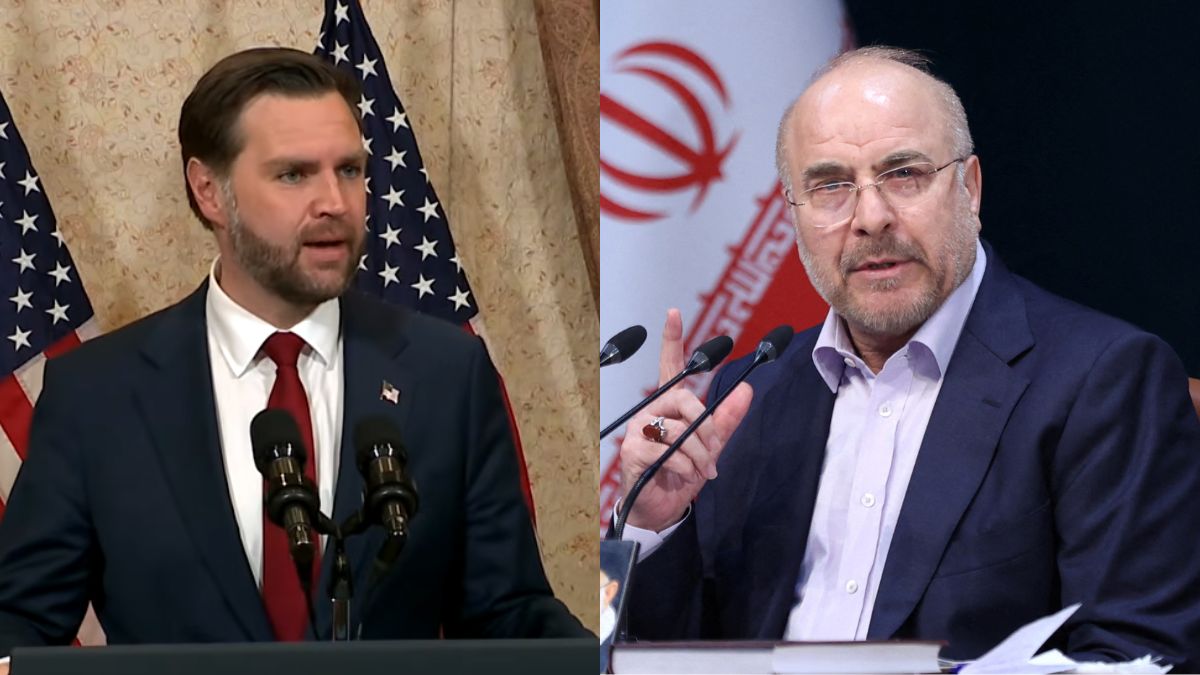
US Veep JD Vance and Iran parliament speaker Mohd Ghalibaf led the talks (File).
The big difference between 2015 and 2026 is obvious - there was no war 11 years ago.
The Vienna talks were held in good faith all-around. The Islamabad talks were not, particularly with Israel continuing to bomb Lebanon in apparent violation of a ceasefire that was never fully agreed upon.
That raises another question - was Lebanon a part of the truce?
-
One-Day Disaster, Multi-Season Economic Shock: How Nepal Is Stuck In A Loop

Nepal Flash Floods: Nepal cannot prevent every earthquake, landslide or glacial collapse. But it can reduce how much each disaster costs.
-
Meta Pays Billions Over Teen Harms In US. In India, Algo Runs Unchecked
The US Surgeon General has separately warned that heavy social media use roughly doubles adolescents' risk of depression and anxiety, and that nearly half of teens surveyed said it made them feel worse about their bodies.
-
Blog | 'No Calls, People Scanning Banks For Bodies': Nepal Journalist Describes Flood Aftermath
As of Thursday evening, it was still impossible to get through to mobile phones in Dhunche, the district headquarters, or the flood-ravaged towns of Syabru Bensi or Timure.
-
Opinion | Toxic Knows Exactly What It Is Doing To Its Hero. And You May Have Missed It
Toxic's bait-and-switch goes beyond its plot. Geetu Mohandas is almost making a subtle point - for those who can see it.
-
Why Nepal Is So Vulnerable: Glacial Lakes, And A Himalaya That Moves Constantly
The August 26 inland tsunami was not an accident of weather. It sat at the intersection of processes that make Nepal one of the most hazard-exposed countries.
-
IRGC's New Boss Is No Ordinary Man. Meet Ahmad Vahidi, Iran's Ultimate Survivor
He has survived purges, sanctions, assassinations, secret deals, and Iran's most consequential wars. The IRGC's new chief, formally appointed by Khamenei this month, knows the regime - and its enemies - like few others do.
-
Analysis | BJP's Mother Of All Resets: An Overhaul To Fix Its Perception Problem
The battle this time is to regain credibility as BJP has entered a phase which is going to be the launch pad for a national face after a political force called Narendra Modi.
-
Opinion | Why Is India Cooler As The World Burns? A Heatwave 'Mystery'
Europe, which is warming at more than twice the global average, is now bracing for even worse climate impacts. But something strange and unexpected is happening in India, keeping it cooler.
-
Tukaram Mundhe: The IAS Officer Restaurants Fear Most In Maharashtra
As FDA commissioner, Tukaram Mundhe has his eyes on Maharashtra's plate. Food adulterators, storied restaurants and clubs, dark stores of quick commerce platforms, school and government canteens, surrogate advertisers of banned products - no one is out of bounds.