Why Lebanon Was Excluded From Ceasefire Plan
Created by the IRGC during the Lebanese Civil War, the Hezbollah, a Shiite Muslim movement, gained its moniker - 'the Resistance' - by fighting Israeli troops occupying southern Lebanon till 2000.
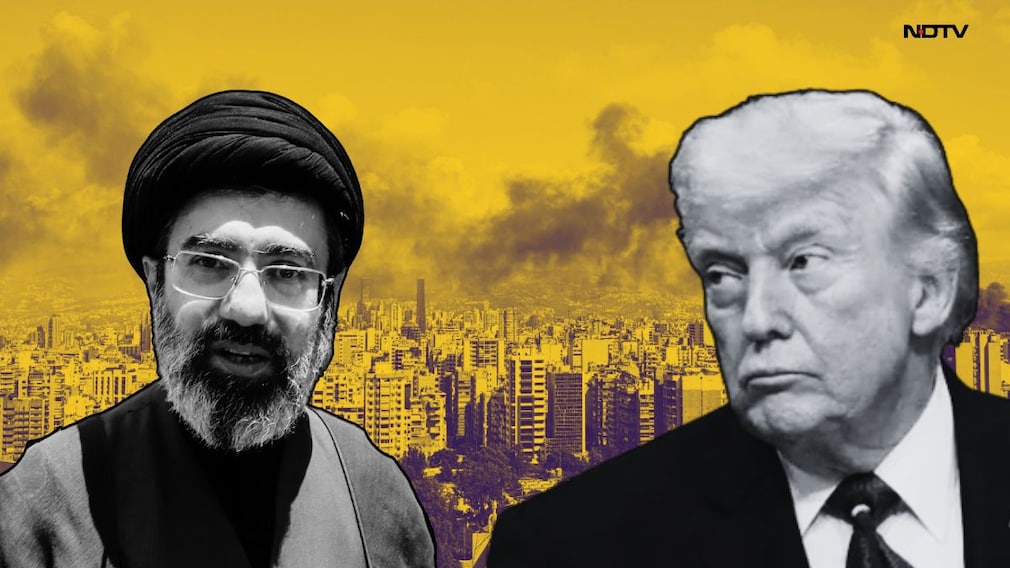
Lebanon has emerged as a critical fault line in US-Iran peace talks after Israel targeted capital Beirut and other locations in the country Wednesday evening, killing over 250 people in attacks Lebanese President Joseph Aoun slammmed as 'barbaric".
The attack came hours after the US and Iran announced a two-week ceasefire to a war that began Feb 28 and escalated to missile strikes on Gulf energy infrastructure and a near-shutdown of the Strait of Hormuz, causing a global energy crisis.
Citing Tel Aviv's attacks, Iran also fired missiles - at Israel and other Gulf nations - raising fears of a ceasefire collapse - and re-imposed a 'shutdown' of the Hormuz, the narrow martime channel that handles a fifth of the world's seaborne crude oil trade.
Ceasefire Chaos: Israel Hits Lebanon, Iran Fires Back. Trump's Next Move?
How the US deals with this episode - President Donald Trump has three options - resume fighting or push for a diplomatic resolution, which will mean reigning in Israel - will determine if the ceasefire holds or an even more destructive war breaks out.
Israel's Beirut strikes
Israel's attacks on Lebanon were its fiercest yet in this war; it reportedly fired 100+ missiles in 10 minutes at claimed Hezbollah targets in Beirut, southern Lebanon and the eastern Bekaa Valley.
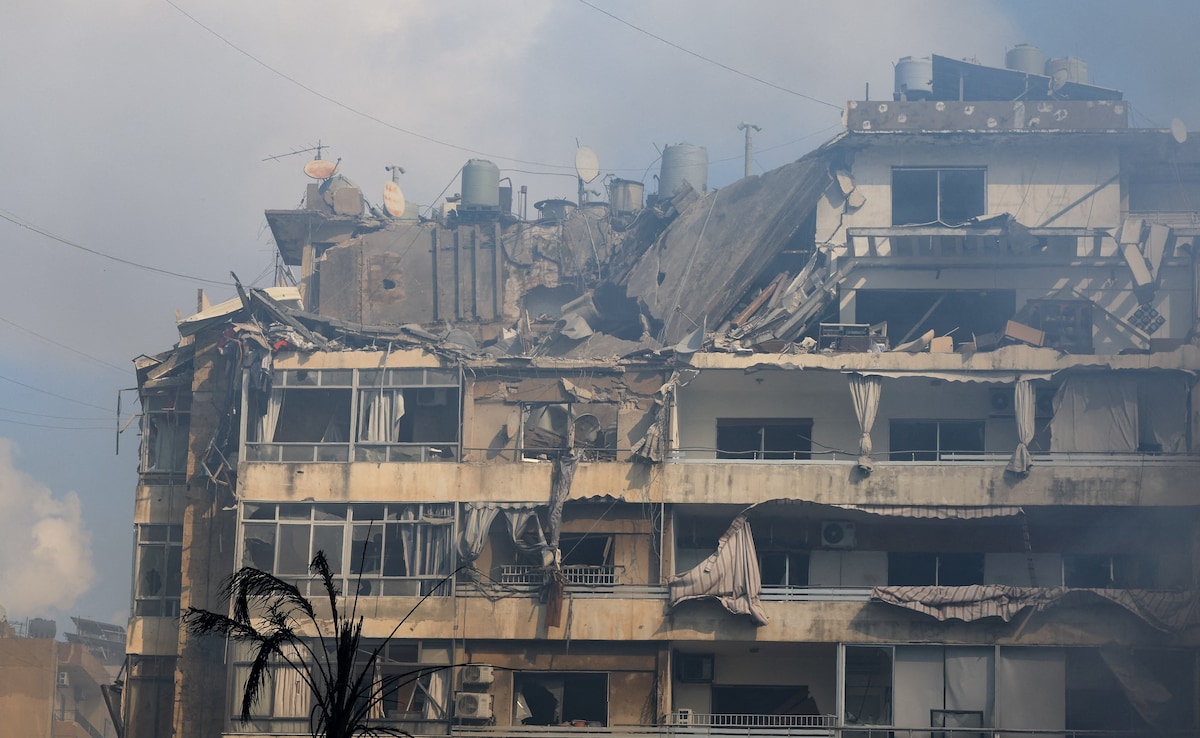
Missile strikes on Lebanon April 9 targered what Israel said were Hezbollah buildings. Photo: Reuters
Beirut's central neighbourhoods were targeted earlier in this war but never so heavily or in the middle of the day.
Associated Press journalists in the city saw charred bodies at one of its busiest intersections in the Corniche al Mazraa area, a mixed commercial and residential area.
The attacks underscored a key gap in the ceasefire agreement.
The Lebanon conundrum
Iran has insisted any deal must include Lebanon.
This position was made clear in backchannel talks in early March, according to some reports. And sources told Reuters Tehran had made "guarantees" that any ceasefire will include cessation of attacks on proxies like the Hezbollah.
But the US and Israel disagree.
Trump spoke to American broadcaster PBS News Wednesday morning and said he viewed any strikes on Beirut as "a separate skirmish", and that Lebanon had been excluded from the truce because of Hezbollah, i.e., the Iran-backed militia group. "That will get taken care of too…"
Senior Trump administration officials have suggested the President is intent on ending Iran's 'axis of resistance', i.e., armed proxy groups operating like Hezbollah, Hamas in Gaza, and the Houthis (who control parts of Yemen and threaten shipping in the Bab al-Mandab Strait).
Trump, they said, believes disarming the Hezbollah is crucial to long-term West Asia peace.
The US has considered Hezbollah a 'terrorist' organisation for years, blaming it for a series of bombings and hijackings in the 1980s, including one targeting Marines in Beirut.
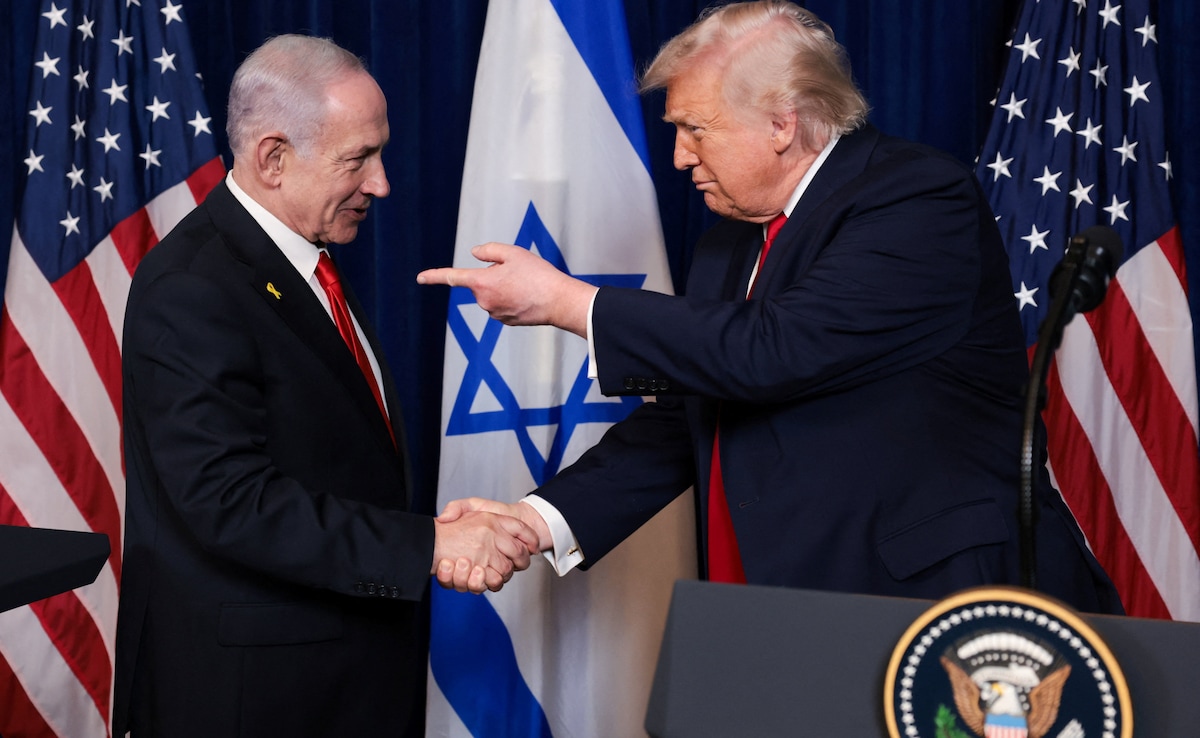
Trump and Netanyahu have both said Lebanon is not included in the Iran truce deal. Photo: Reuters
And State Department documents and United Nations reports describe it as one of the most heavily armed non-state actors in the region, with an arsenal that includes thousands of rockets and a sophisticated cross-border tunnel network
Israel has been equally clear about what it claims are "existential threats". Officials have already stressed that Benjamin Netanyahu's goal is to target Lebanon till the Hezbollah is wiped out.
But Pakistan, which played the go-between role in US-Iran talks, has indicated otherwise. Prime Minister Shehbaz Sharif said the truce applied "everywhere" and explicitly included Lebanon.
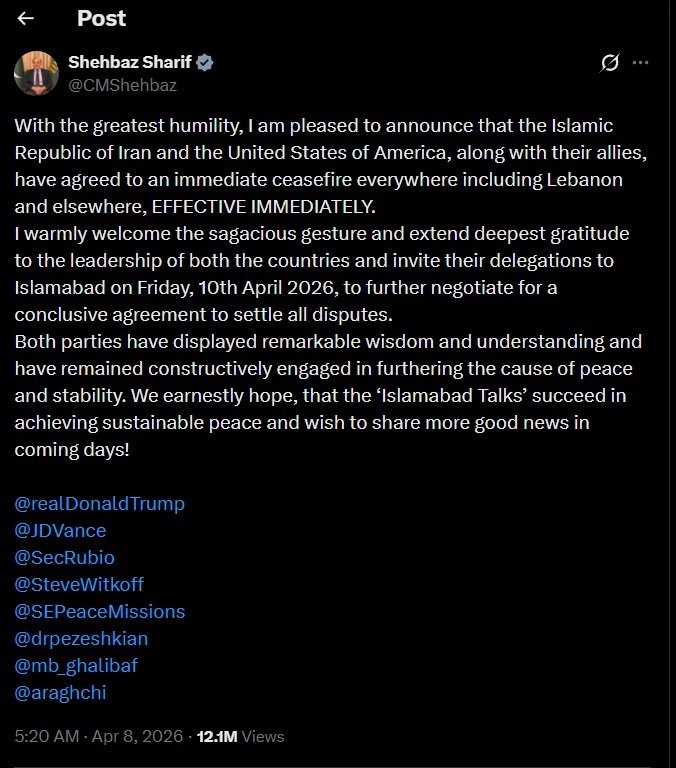
Screenshot of X post by @CMShehbaz
This ambiguity will be a litmus test for US attempts to secure peace.
If Trump can't get Netanyahu to stand down, at least for now, Ayatollah Mojtaba Khamenei - already under pressure from hardliners for agreeing to a truce in the first place - likely won't be able to stop the IRGC from arguing the US has failed to enforce peace and resuming the war.
Why Lebanon?
Because of the Hezbollah.
Its name translates to 'party of God' in Arabic.
Financed and armed by Iran, it is the most prominent player in Iran's 'axis of resistance'.
Created by the IRGC during the Lebanese Civil War, the Shiite Muslim movement gained its moniker - 'the Resistance' - by fighting Israeli troops occupying southern Lebanon till 2000.
Six years later Israel and Hezbollah were at war again; a month-long conflict that killed over 1,200 people, mostly civilians, after the Hezbollah kidnapped two Israeli soldiers.
The Hamas' October 7, 2023, attacks on Israel prompted another exchange of rockets and artillery fire, and it waded into this war March 2, firing a barrage of projectiles at northern Israel.
-
Opinion | CJP Protest And Opposition's Never-Ending Search For 'Readymade' Revolts

The Opposition cannot simply saunter in after anger has been created, and ask to become its beneficiary
-
Opinion | A Rs 5,000 Fine Can't Fix India's 'Babu' Raj. But It's A Start
A new bill in Delhi imposes a fine of Rs 250 a day on bureaucrats, with a Rs 5,000 ceiling, if their service for citizens is delayed without a valid justification. Can this fix India's great 'Babu' bottleneck?
-
Opinion | Kaveri To J-20, How China Overtook India In A 40-Year-Old Race To Build Fighter Jets
Both launched ambitious military jet engine programmes during the 1980s. Both depended heavily on Soviet and Russian technology. Four decades later, however, the finish line tells two dramatically different stories.
-
Opinion | US Attack On Chabahar, And Why It's Time India Stopped Playing By Others' Whims
As the US destroys Chabahar in Iran, one thing is clear: India cannot wait eternally for the whims of others to do what is vital for its own interests.
-
Beyond Low Cost: Why Foreigners Choose India's Healthcare Over The West
India's medical tourism industry is estimated to be worth $12.32 billion in 2026. It is growing much faster than the country's overall tourism sector.
-
Opinion | Is Sharad Pawar Planning To Merge NCP With NDA? Behind The Ongoing Calculations
The NCP patriarch, turning 86 this year, will have to take a decision soon - before someone else takes it for him.
-
Opinion | Maa Behen, Obsession, And The Gaze That Eats Itself
Every society has a woman it has already judged. Every man has a story about her. Cinema has long inherited both.
-
'School Fees Are Just The Beginning': The Hidden Cost Of Educating Children
Tuition classes, digital devices, transport, uniforms, extracurricular activities, and competitive exam coaching have made education a costly affair.
-
NDTV Probe: CSAM, Sexually Suggestive Content, Gun Culture On Social Media
The probe has uncovered a wider pattern of exploitative and illegal content slipping past moderation, raising questions about the consistency and effectiveness of enforcement.
-
Ice Stupas To Education Reforms: The 'Fast' Evolution Of Sonam Wangchuk
Sonam Wangchuk remains a prominent figure whose activism spans climate change, education reform, democratic rights and environment conservation.