The New Global Power Map: 7 Political Movements Gaining Ground And What They Want
In the last one year, more than 100 protests have erupted across 57 countries. Though they look different, there's a common thread that binds these movements.
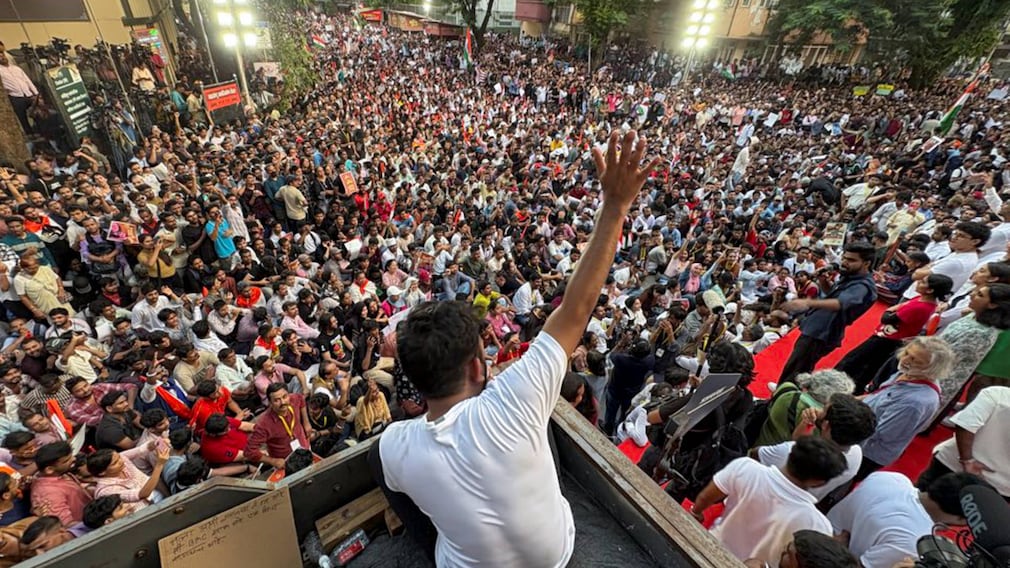
The most important political story unfolding across the world may not be the battle between left and right. It may be the growing revolt against a political system that large sections of the public believe is no longer delivering.
In the last 12 months, more than 107 significant anti-government protests have erupted across the world, spanning more than 57 countries, according to the Carnegie Endowment for International Peace's Global Protest Tracker. Posting about the protests as a snapshot, the think tank further said that 33 significant protests were active, while more than 17 major protests had occurred in countries classified as "not free".
Protest movements have emerged in Europe, Asia, Africa and Latin America, and they do not fit neatly into a single ideological category.
In Serbia, young people have protested corruption and the failure of institutions. In Spain, housing has become a generational political issue. In Britain, migration is increasingly reshaping street politics. In France, students are protesting schools that they say no longer offer them a fair start in life. In India, a youth movement has moved from anger over education and jobs to questions about electoral accountability.
Here's the seven political currents that are increasingly shaping the global power map:
1. The Gen Z anti-corruption movement: This generation has emerged as the most striking force that has organised decentralised protests driven by economic angst, anti-corruption, and accountability.
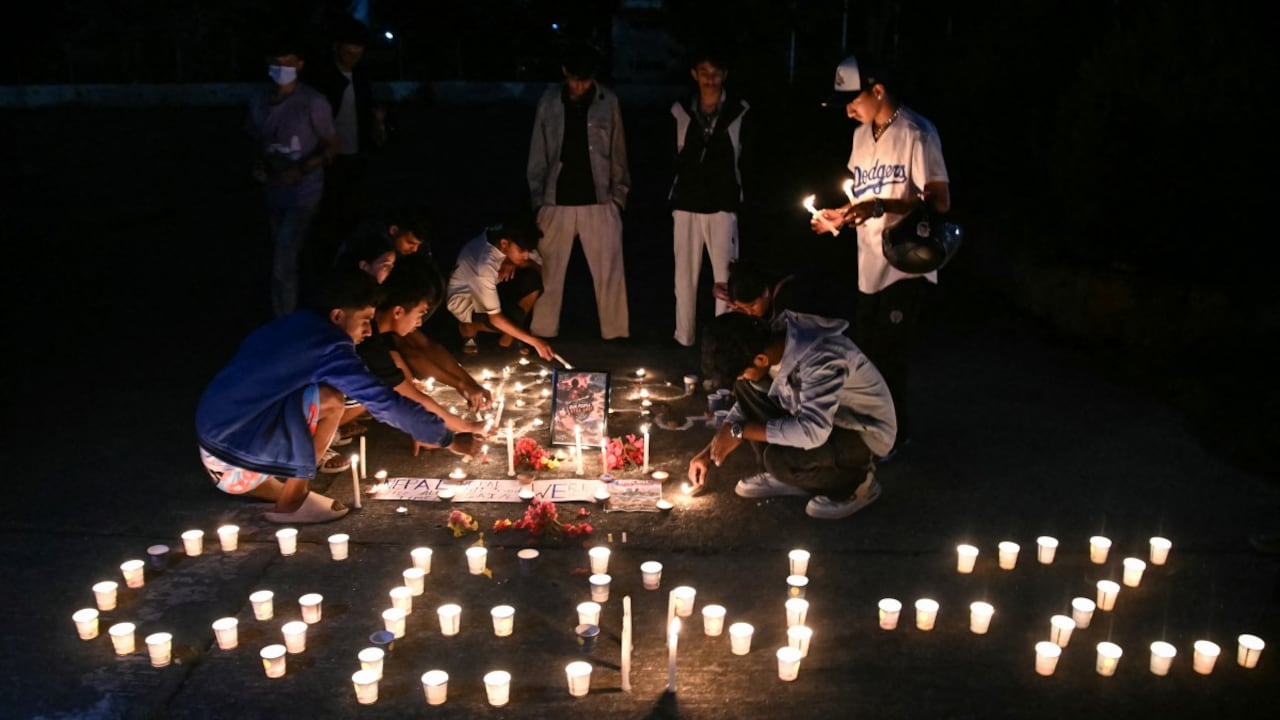
People in Kathmandu remember the Gen Z protest in Nepal
Photo Credit: AFP
From Serbia and Nepal to Kenya, Madagascar, Morocco and India, young people have repeatedly moved from online activism to mass street mobilisation.
Carnegie's tracker records corruption as a major motivation across dozens of protest movements. A Carnegie analysis found that its database contains 151 protests primarily driven by corruption issues across 83 countries. In 2025 alone, corruption was a significant driver of large-scale protests in more than 17 countries.
In Nepal, a youth-led movement that began with anger over a social-media ban quickly expanded into a broader revolt against corruption and political nepotism, ultimately helping bring down the government. Former prime minister KP Sharma Oli was later arrested over his alleged role in the deadly crackdown.
From Kenya, where activist Hanifa Adan Safia told The Guardian about the sense of betrayal created when taxes rise while public services deteriorate to Togo where students linked corruption directly to unemployment and Nepal, the message was bigger than "down with corruption".
It was: We have studied, worked and played by the rules, so why does the future still belong to someone else?
Gen Z used social media as an effective tool to mobilise support and raise their voice against vices.
2. The housing movement: Housing has emerged as one of the most powerful new political issues in Europe. This is not simply a debate about property prices. It is becoming a question about whether young people can build conventional adult lives at all.
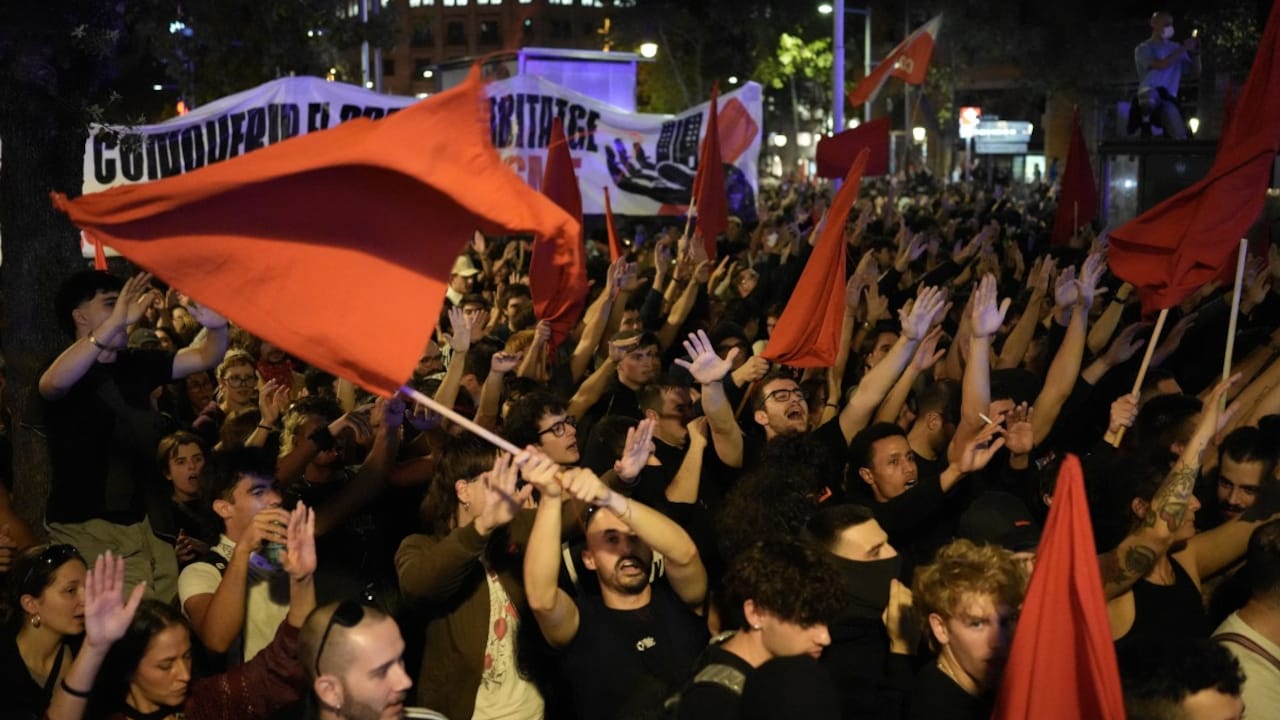
Protesters showing their anger against rising rents in Spain.
Photo Credit: AFP
A report in The Guardian says that housing prices across the EU increased by 53 per cent between 2010 and 2024, while rents rose by 25 per cent. Across Europe, campaigners are increasingly demanding rent controls, stronger tenant protections and the conversion of vacant buildings into affordable housing.
Spain has become a major flashpoint.
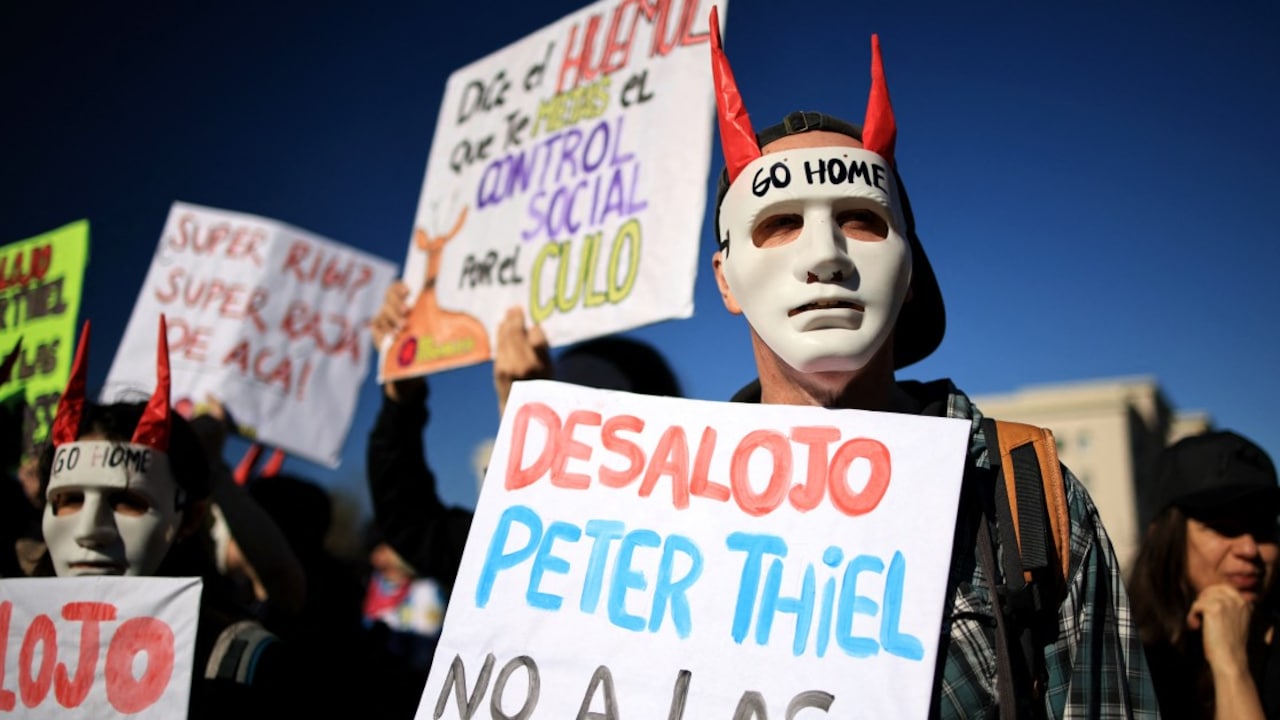
Tens of thousands of people have demonstrated across dozens of Spanish cities, with high rents, stagnant wages, property speculation and evictions fuelling anger. The eviction of an 87-year-old woman in Madrid became a powerful symbol of a broader housing crisis.
The issue has now moved from protest politics into electoral politics. Prime Minister Pedro Sanchez called a snap election after his government's housing legislation was blocked in Parliament. Housing is increasingly becoming a dividing line between mainstream parties and other political forces.
The deeper demand is simple: If economic growth is real, people want to know why it does not translate into a more secure life.
3. The anti-migration movement: If housing is reshaping the politics of the left and centre, migration is doing something similar on the right. Across Europe, anti-migration movements are becoming more organised, more visible and increasingly capable of turning local disputes into national political campaigns.
Britain provides a clear example.
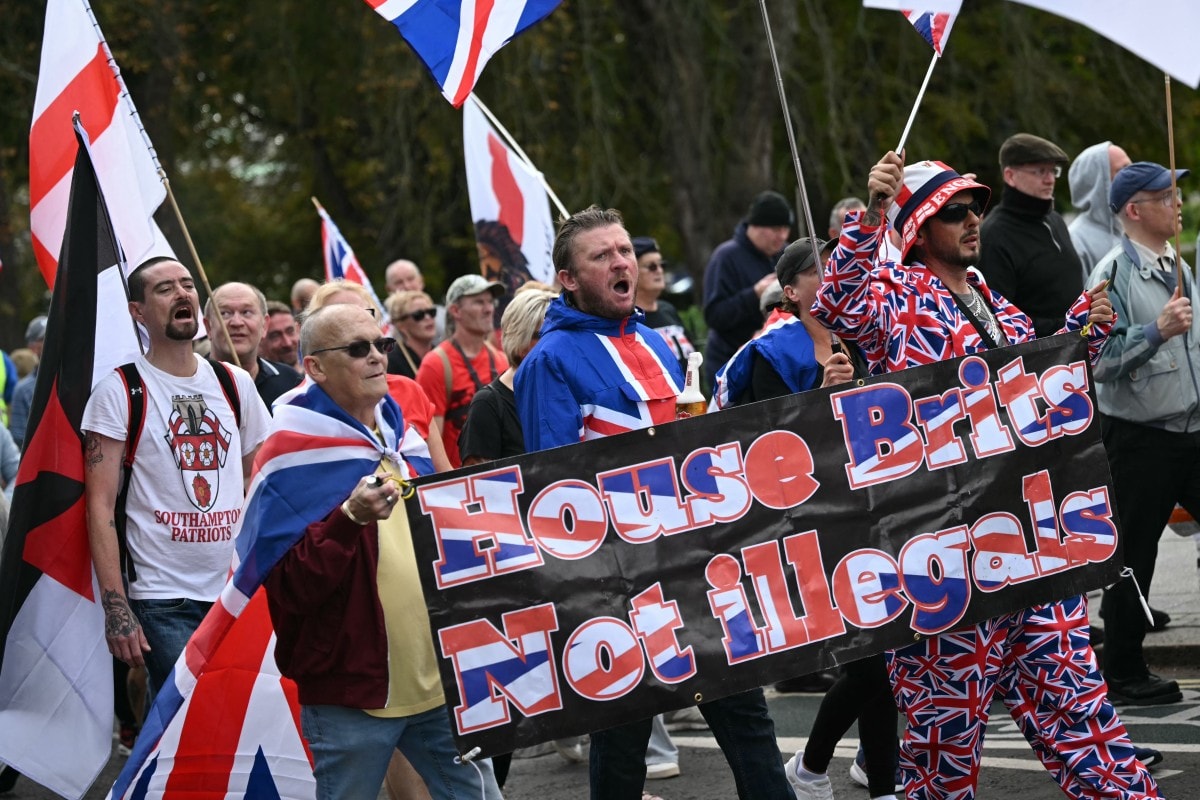
Parts of Britain have been protesting against perks for migrants.
Photo Credit: AFP
In towns such as Crowborough and Thetford, protests over accommodation for asylum seekers have created deep local divisions. In Crowborough, the arrival of more than 300 asylum seekers at a former military site triggered demonstrations and counter-demonstrations. According to a report in The Guardian, far-right groups are exploiting local anxieties and filling an information vacuum created by poor communication from authorities.
The movement doesn't use hostility towards migrants as the driving force, but feeds on several overlapping anxieties: Housing, public services, wages, cultural identity, security and the perception that governments have lost control of borders.
In Britain, anti-migration activists have increasingly used social media and influencer-style mobilisation to bring supporters to towns where asylum accommodation is planned.
4. The public-services revolt: Another political current is emerging around something much less ideological - the basic quality of everyday life.
Indonesia offered one example, when thousands protested in 2025 against parliamentary privileges and what they saw as the excesses of political elites while the government was pursuing austerity. Demonstrators objected to MPs receiving housing allowances worth almost 10 times Jakarta's minimum wage, while cuts were being made to areas including education, health and public works.
In Madagascar, youth protests were fuelled by shortages of water and electricity. In Morocco, young protesters pointed to healthcare failures and unemployment. In Kenya, protesters complained that taxes were rising while healthcare and universities remained underfunded.
5. The anti-austerity movement: Economic hardship is also producing a renewed backlash against austerity, subsidy cuts and labour-market reforms.
Bolivia illustrates the pattern.
The Carnegie tracker records protests over President Rodrigo Paz's economic policies, including fuel shortages, wages and the elimination of fuel subsidies. Workers, miners, teachers, farmers and Indigenous groups joined the protests. Demonstrators demanded higher wages, restoration of fuel subsidies and the repeal of controversial economic measures.
Argentina offers another version.
Argentinians protests against President Javier Milei's policies.
Photo Credit: AFP
President Javier Milei's government has pushed sweeping economic and labour reforms aimed at cutting costs and increasing flexibility. Opponents have responded with protests and strikes, arguing that the changes could weaken workers' rights.
The ideological labels may differ, the political question is similar: Who should bear the cost of economic restructuring?
Governments argue that painful reforms are necessary to restore fiscal stability. Protesters often respond that ordinary workers have already paid the price through inflation, declining purchasing power, insecure employment or cuts to public services.
6. The democracy-and-accountability movement: A sixth current is less about a particular economic demand and more about trust in institutions.
Serbia is one of the clearest examples.
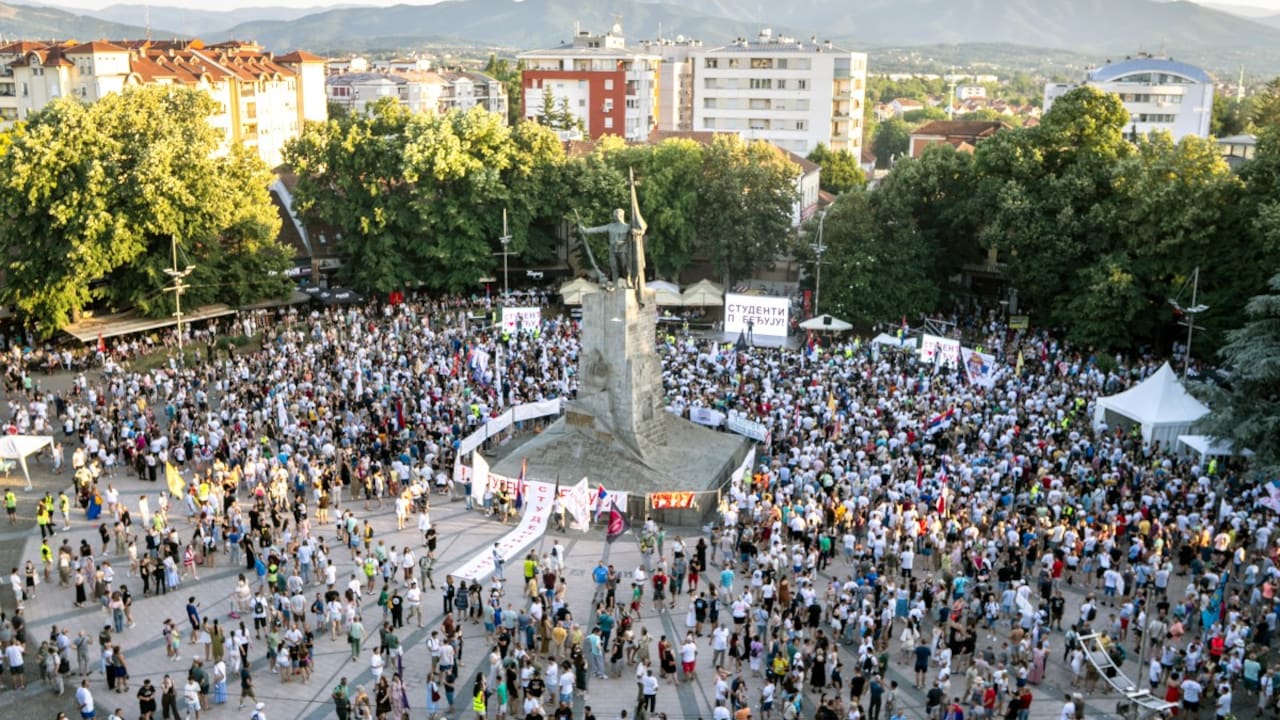
Students protest against corruption in Setbia.
Photo Credit: AFP
What began after the deadly collapse of a railway station roof became a nationwide student movement against corruption, political interference and weak institutions. The protests eventually spread to more than 100 towns and villages.
One Serbian student told The Guardian: "We are done with corruption." Another said the objective was to force institutions to "do their proper job".
The important point is that the movement did not initially depend on a conventional ideological platform, but demanded functioning institutions.
A similar dynamic can be seen in the Philippines, where enormous demonstrations erupted over allegations that billions allocated for flood-control projects had disappeared.
In India, meanwhile, the youth-led Cockroach Janta Party (CJP) movement that emerged around education and unemployment has increasingly entered questions of political accountability. Its protests have now expanded to opposition to controversial changes to electoral rolls, with thousands returning to the streets.
7. The farmers' sovereignty movement: The seventh emerging current is being driven by farmers who increasingly see globalisation, environmental regulation and trade policy as threats to their economic survival.
European farmers have repeatedly demonstrated against what they describe as excessive regulation, falling incomes and unfair competition.
In January 2026, French farmers drove tractors into Paris to oppose the EU-Mercosur trade agreement, arguing that cheaper agricultural imports could undercut European producers. Belgian farmers had also staged major demonstrations. One French farming leader described the mood as being between "resentment and despair".
This movement is unique because it demonstrates how climate and trade politics can collide with cost-of-living politics.
Governments may view environmental regulation as necessary for the future. But farmers want to know who will pay for the transition? The political answer is increasingly influencing elections and policy.
Europe's powerful farming lobby has successfully pushed back against several environmental reforms, demonstrating that agricultural groups can exert influence far beyond their numbers.
More than an anti-green movement, this is a revolt against the perception that governments are asking some groups to absorb the cost of policies designed for society as a whole.
What Connects These Seven Movements?
At first glance, these movements appear to have little in common. But underneath the ideological differences is a remarkably similar political psychology. These protesters are fighting the affordability crisis, want equitable distribution of resources, are questioning whether education still guarantees employment, rethinking the trust on governments as migration, national sovereignty and cultural identity are increasingly intertwined with economic anxieties.
The New Global Political Map
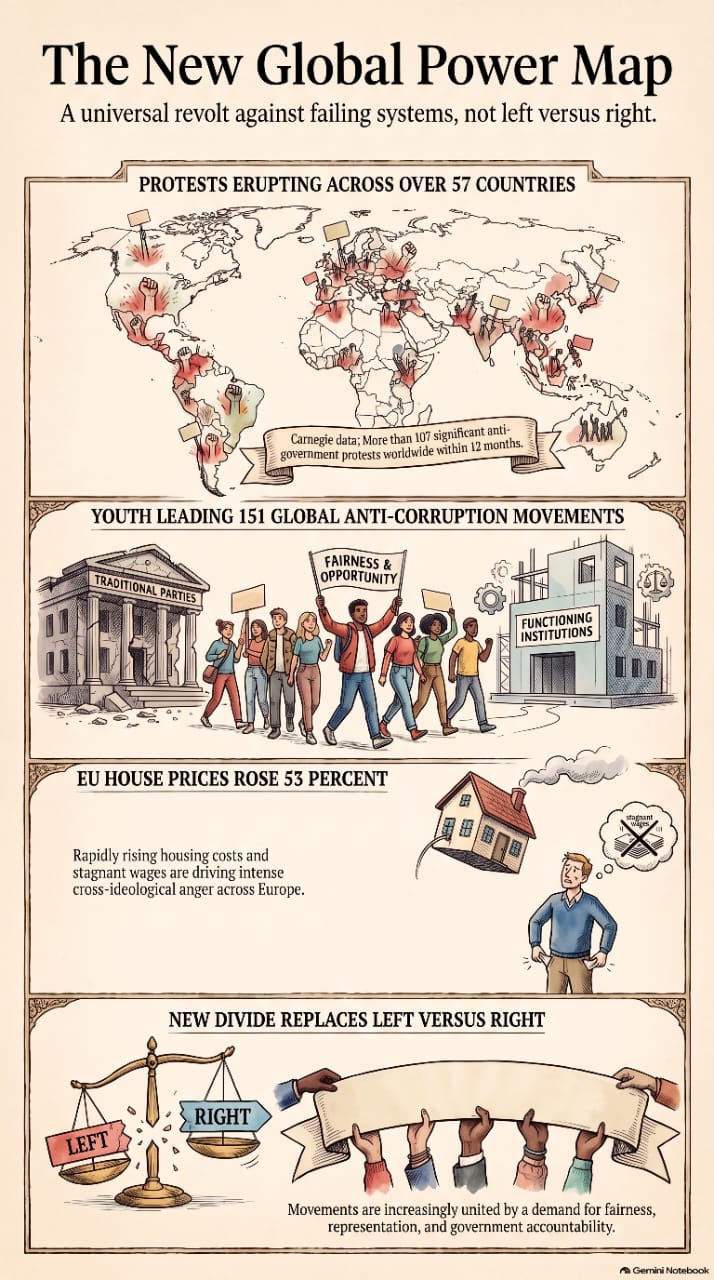
Carnegie's protest data suggests that this is not a handful of isolated national crises. More than 57 countries experiencing significant protests in a single year is evidence of a broader political mood.
And the most important development may be that protest movements are increasingly crossing borders psychologically.
Kenyan activists have watched Nepal. Nepali protesters have watched Bangladesh. Young Europeans are watching housing movements elsewhere. India's youth activists are using global examples to build their own campaigns.
As one Kenyan activist told The Guardian: "Young people increasingly see their struggles as part of a wider global awakening against corruption, economic exclusion, political arrogance and state violence".
That may be the defining feature of the new global power map.
The political battle of the coming years may not be fought primarily over whether governments are left, right, liberal or conservative.
It may be fought over whether governments can convince increasingly impatient citizens that the system still works for them.
-
Opinion | The Last Bet? What Trump's 'Mother Of All Bombs' Could Actually Do To Iran

Can an MOAB deliver a decisive blow to Iran that may force it to surrender immediately, as Japan did after Hiroshima and Nagasaki in World War 2?
-
Hit Songs, Empty Pockets: The Hidden Math Behind India's Viral Music Boom
Over 80,000 brands and five lakh creators in India make branded content. The opportunity is worth around Rs 1,500 crore.
-
Opinion | Great 'Exceptions': How The Oil India Was Attacked For Is The Oil Trump Now Seeks
A law written to punish the buyers of Russian oil was suspended by the US to protect a purchase of Russian oil. India spent fourteen months being lectured for less.
-
Opinion | Louis Vuitton Loot, Torched Cars: France Protests Have An Unlikely Beneficiary
It's an unbelievable moment. Crowds looting the most exclusive stores in Paris, including the famed Luis Vuitton. But what's behind this meltdown?
-
Blog: Kolkata Didn't Learn From 2015. Eleven Years Later, It Proved To Be Fatal
The City of Joy isn't a stranger to crowd control. Be it during Pujo or Christmas at Park Street, Eden Gardens cricket matches, or Derbies between Mohun Bagan and East Bengal. But during Pujo, the entire city is on alert.
-
Opinion | Slurs, Threats, Now A Temple Attack Plot: When Did America Become So Hostile To Indians?
The rising tide of anti-India, anti-Hindu, and racist attacks serves as a stark reminder that economic prosperity does not automatically guarantee social immunity from bigotry.
-
A Step Behind Neha Bora: What Rahul Gandhi's Gesture Says About Congress' Gen-Z Pitch
At INDIA bloc's march to Supreme Court, Rahul Gandhi placed himself a step behind two women, hands resting on their shoulders. One was his sister Priyanka. The one on his right was Neha Bora. Here's what the image means for the protest wave now, and for Rahul's politics in general.
-
Opinion | Imran Khan, And The Perils Of Having An 'Opinion' In Bollywood
The reality of the industry is quite grimy. More often than not, its inhabitants have been fairweather friends, happy to sing the praises of whoever is in a position of authority.
-
Exclusive: India's Food Safety Problem Goes Beyond Just Dirty Kitchens - By Tukaram Mundhe
On World Food Day, Maharashtra's Commissioner of Food Safety explains why instead of taking stopgap measures, the entire supply chain in India needs to be held accountable and made transparent.
-
Opinion | India Has Enough Coal. So Why Are Power Plants Running Short? A 76 Million 'Crunch'
As of October 5, as many as 82 of the 191 thermal plants monitored by the Central Electricity Authority were in the 'critical' category