For Years, Saudi Saw Houthis As Yemen's Problem. Then, A Knock On The Door
Actual fighting between the Houthis and Saudi Arabia began late in the overall timeline of the conflict that now involves powerful belligerents
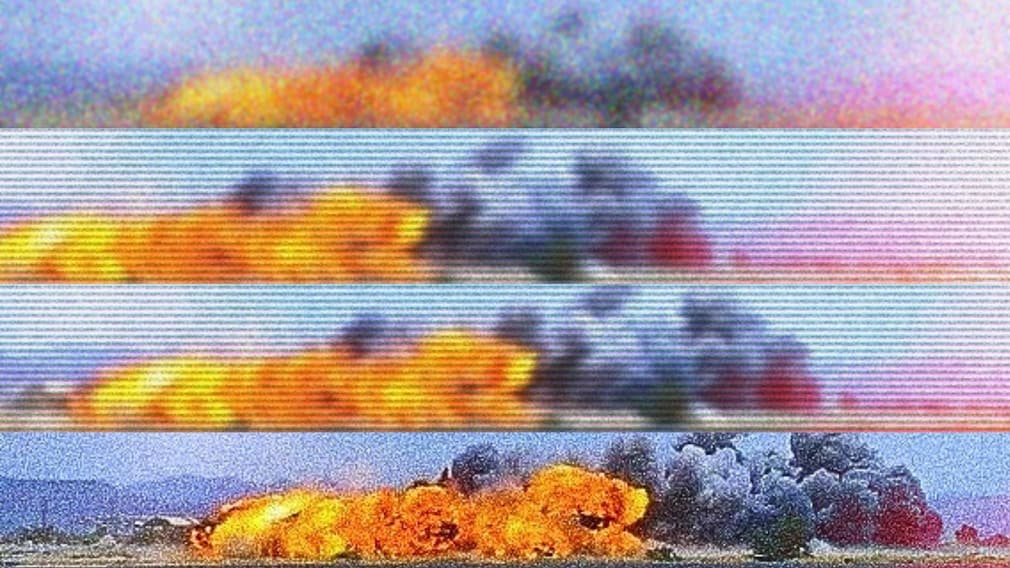
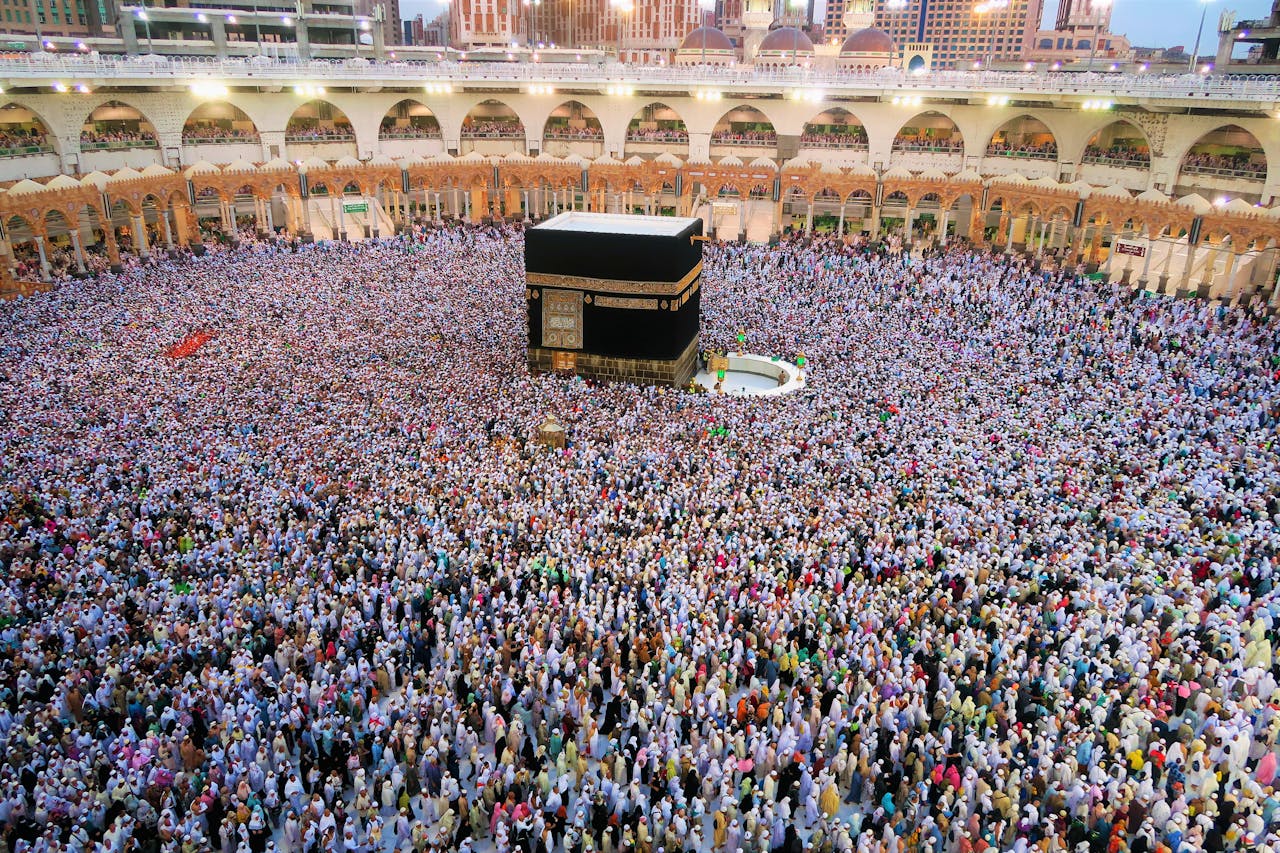
Saudi air defences shot down a Houthi drone south of Mecca before it entered the airspace of Islam's holiest city last night. It would have definitely occurred to the Houthis in neighbouring Yemen that their drone attack attempt on Mecca, if successful, would cross a point of no return that could possibly lead to an apocalyptic situation where the entire world gets involved.
The Houthis' beef with Saudi Arabia came much later and actual fighting began late in the overall timeline of the conflict that now involves powerful belligerents. It began as a small insurgency in the mountains of northern Yemen near the Saudi border with religion and politics as the fuel in the 1990s.
Its founder, Hussein al-Houthi, began drawing a large number of armed followers after he led several anti-government protests. The entire fighting force came from northern Yemen's Saada region.
In 2004, Yemeni government forces began operations against Hussein al-Houthi and killed him. Instead of successfully smashing the Houthi insurgency, the Yemeni government found itself facing hordes of incoming armed militia inspired by Hussein al-Houthi, whose killing turned him into a symbolic figure and a hero. His brother, Abdul Malik al-Houthi, took charge of the Houthi militia. They fought the Yemeni government in six wars between 2004 and 2010 - called the Saada Wars - with a majority of the fighting happening in the northern regions of the nation.
The Houthis returned every time after a ceasefire with the government forces was signed. This meant the Yemeni military never truly defeated the militia.
Before the events that would eventually pull Saudi Arabia into the conflict began in 2009, the Houthis had been sending their leaders to Iran for religious training and hardcore indoctrination. Iran was just a shadow at that time and the Houthis' main enemy was the Yemeni government, which they planned to overthrow because they felt the government was not fair to their people.
The conflict today has evolved into a proxy war with Iran firmly supporting the Houthis in their attacks on Saudi forces along the borders. Military hardware for modern warfare like drones and missiles supplied by Iran have changed the Houthis from what the Western press usually called 'Houthi militia' to something much bigger - not as big as regular government forces but also not as weak as a small insurgency.
The Houthis already had access to limited quantities of old ballistic missiles that belonged to the Yemeni government. In 2015 - six years after Saudi entered the conflict - the Houthis became the first non-state actor or militia anywhere in the world to launch a ballistic missile. The short-range ballistic missile OTR-21 Tochka hit a military base in Yemen, killing dozens of soldiers of a coalition against the Houthis led by the Saudis.
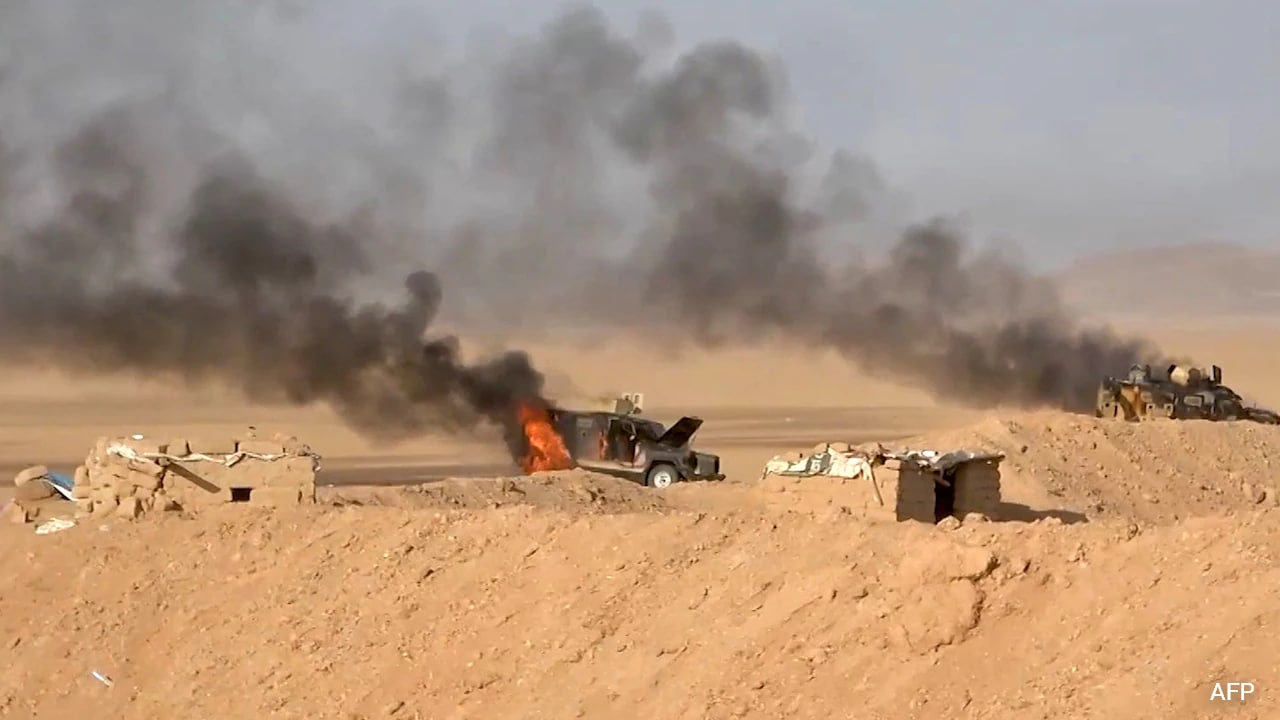
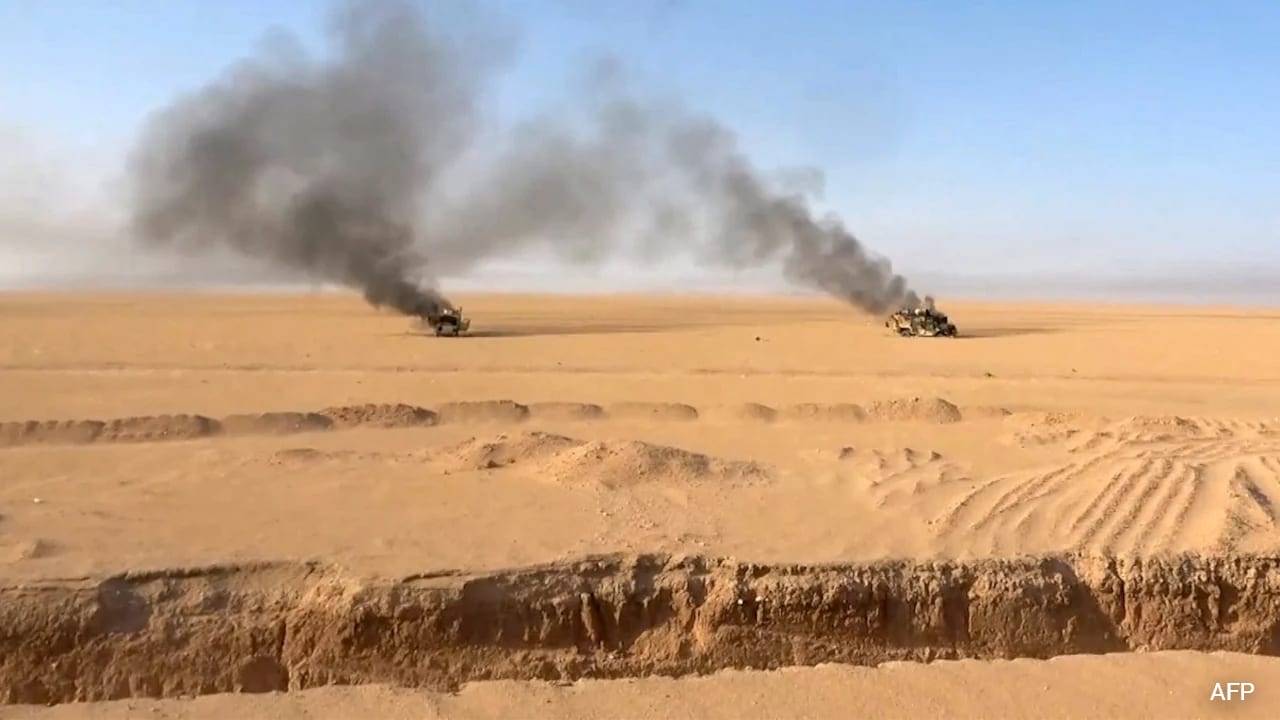
And, six years before this devastating attack, in 2009, Saudi Arabia detected many Houthi insurgents coming into their territory and attacking the kingdom's border installations. Saudi Arabia until then had seen the Houthi insurgency as Yemen's domestic problem and had hoped that it would never reach their doorstep.
The first clashes between Saudi and Houthi forces began around this time. The Royal Saudi Air Force sent strike missions against the Houthi fighters and began smashing the militia's supply lines, equipment and other military targets.
The fighting exposed several weaknesses in Saudi border defences and showed the Houthis' ability to conduct cross-border operations despite limited resources.
In September 2014, Houthi fighters captured Yemen's capital Sanaa and as a result all government institutions fell. The then president Abd Rabbuh Mansur Hadi stayed in office but wielded no power, surrounded by the Houthis and their allies. The following year Hadi fled Yemen and eventually reached Saudi Arabia, while back home the Houthis - which started as a small insurgency - became the de facto rulers of the capital city and larger parts of Yemen's northern regions.

From that development onwards, Saudi leaders feared a regional shift in power similar to Iran's influence through allied groups in Lebanon, Iraq and Syria. The Houthis had already established a working relationship with Iran by then. Iran denies arming the Houthis but smuggled Iranian weapons and parts have been seized from numerous shipments bound for Yemen.
The large-scale Saudi offensive began in March 2015 with a coalition of Arab states to restore the government of the exiled Yemeni president. It has been years and years of stalemate since then.
During this period, other nations including the UAE, the US, Britain and Israel have carried out airstrikes against Houthi fighters but they continued to grow stronger. It has come to a point that today the Iran-backed Houthis are approaching a key maritime choke point and striking Saudi oil facilities.
The Houthis have a wide array of ballistic missiles, cruise missiles and drones that resemble Iranian models. These can reach all the Gulf states as well as Israel. They have used retrofitted ballistic missiles as anti-ship missiles, which was unheard of until 2023.
In recent weeks, news reports by AP said anti-Houthi forces have fallen back from one position after another as the rebels have advanced toward the Bab el-Mandeb, a narrow strait between the Red Sea and the Gulf of Aden.
The Saudis appear reluctant to enter another full-scale war with the Houthis as a ground campaign would involve prolonged fighting and high casualties. The US, still preoccupied with Iran, also appears keen to stay out and a Saudi mutual defence pact with Turkey and Pakistan signed last month has yet to be activated.
-
Opinion | China Claims It Has Cut Troops At The Indian Border. But The Math Doesn't Add Up

The reduction likely has more to do with the deployment along the LAC than the total strength active in the region
-
Opinion | China Is No Longer Waiting For Trump To Set The Rules. And He Knows It
America's old diplomatic tricks with China won't work any longer. Because China has changed, and so has its ambitions.
-
Opinion | 'Blackmail' Diplomacy: Why India Can't Be A Pawn In US' War On Russia
The new sanctions bill is both blackmail and hypocritical: blackmail because it seeks to change India's principled stand, and hypocritical because the US has provided exemptions to others, and itself.
-
Blog | Katrina Kaif, And The Very Indian Problem Of Too Much 'Audacity'
The remarkable thing about many Indian trolls is not that they have opinions, but that they expect - get this, Katrina Kaif, no less - to care about them.
-
Mamata Banerjee Drew Her Party's Symbol By Hand. It's Now Tied To An Indira Gandhi Case
The Election Commission's method for settling such disputes became central in the seminal Congress split of 1969, when Indira Gandhi fought the old guard. The poll body weighed three tests then.
-
Bruised, Limping, Unbowed: Sia Says She Will Be Back On The Bike Soon
There was pain in Sia's steps, anger in her words, and something else - a quiet determination that the road would not be taken away from her.
-
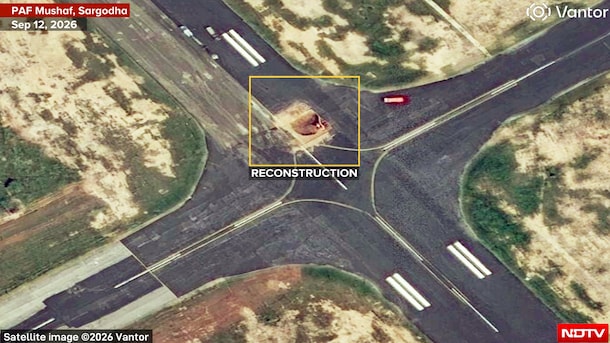
Exclusive: 16 Months After Op Sindoor, Pak Still Fixing Runway India Broke At Sargodha
Sargodha's PAF Base Mushaf lies about 172 km northwest of Lahore and roughly 200 km west of the India-Pakistan border, near Amritsar.
-
Blog | I Lost My Entire Family In Kanishka Bombing. 41 Years Later, Canada Wants The Case Closed
We made the trek through tragedy to search for people in Cork, where I spent 25 days sifting through bodies and body parts in a makeshift morgue to identify our loved ones.
-
Opinion | Pak's Drone Deal With A US Firm Is No Windfall. But India Must Still Be Worried
American military aid to Pakistan has remained suspended since January 2018, during Trump's first term, but a commercial arms sale is separate from this arrangement.
-
Opinion | Saudi Arabia's Yemen Nightmare Has Come Back To Haunt It
After years of costly military intervention beginning in 2015, Saudi Arabia increasingly sought to stabilise its southern border. All that is unravelling fast now