Big Wins, Bigger Losses: Trump's Dramatic Day At The Supreme Court
The US Supreme Court's rulings on birthright citizenship, immigration, and presidential power matter for Indian students, professionals and diaspora families in the US, bringing relief on citizenship but also signalling a stronger White House.
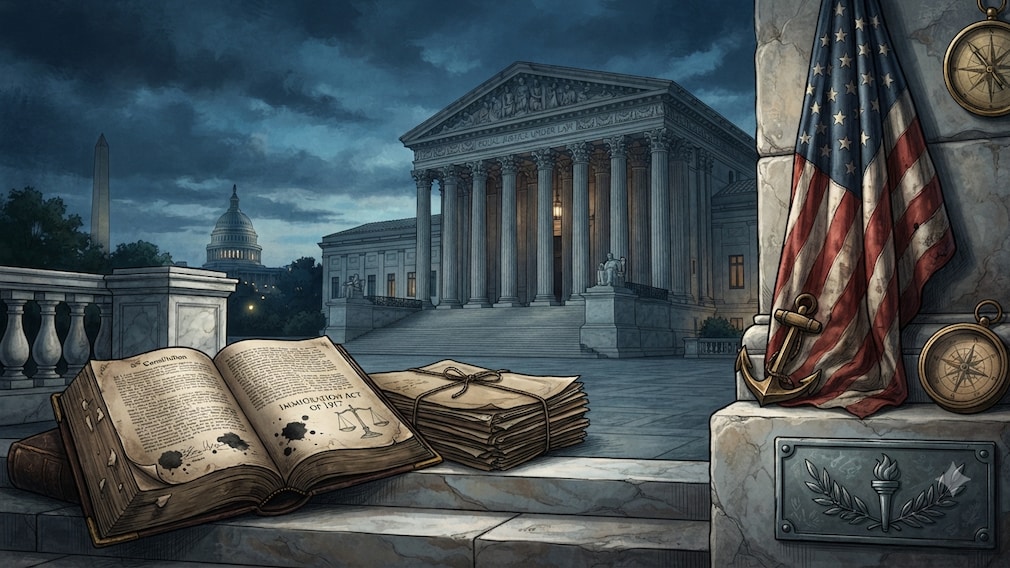
The US Supreme Court's ruling on birthright citizenship this week - reaffirming that children born on American soil remain citizens regardless of their parents' immigration status - offered significant relief to large numbers of Indian students and professionals in the country on visas, as well as families that had feared for the legal identity and security of their children.
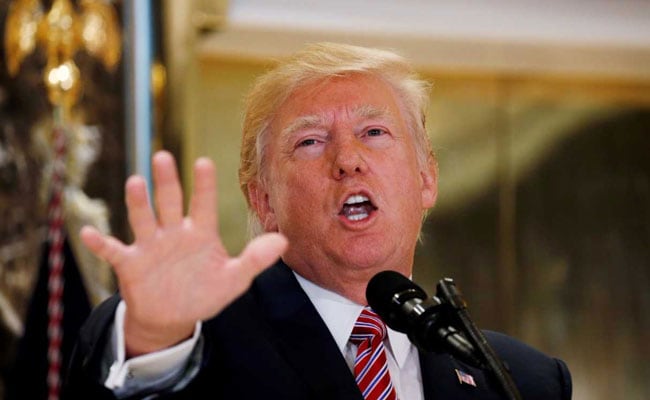
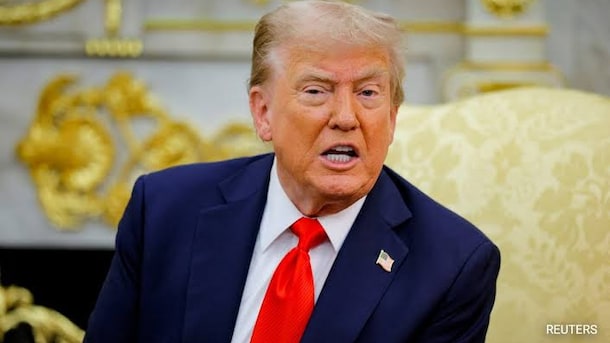
The ruling was a setback to Donald Trump's aggressive immigration agenda, with the court rejecting his January 2025 executive order that said children born to parents who are unlawful residents or visitors cannot become American citizens.
Chief Justice John Roberts ruled that such children will receive citizenship under the 14th Amendment.
But then the court also offered a boost to Trump's immigration agenda, allowing his administration to end protection against deportation for hundreds of thousands of Haitians and Syrians, and to refuse asylum-seekers at the Mexico border.
Read separately, these are what you might call a 'win some, lose some' story for the president.
However, considered alongside other verdicts announced June 29-30, a broader pattern emerges that suggests the court is reshaping the contours of presidential authority while keeping the more hardline items on Trump's agenda at bay.
To be clear, this isn't about the court being anti-Trump. In fact, if anything the recent verdicts show the Supreme Court is upgrading the suite of powers the president has, but it isn't Trump's version.
Trump's Supreme Court boosts
Apart from stripping protection for Haitians and Syrians, and asylum-seekers from Mexico, the Supreme Court recognised the president's 'sweeping' authority to remove federal appointees to independent regulatory bodies. The recognition overturned a century-old ruling that said the then-president - Franklin Delano Roosevelt - could not simply fire and replace such individuals.
The court has now scrapped that precedent. "Subordinates who exercise the president's power are subject to removal by him," Chief Justice Roberts wrote for the majority. "Only then, can they remain accountable to the president... and to the people."
Why is this a boost? Because Trump now has leverage over the heads of regulatory bodies - such as the Federal Aviation Authority or the Enviromental Protection Agency - and can simply remove and replace them in the event of disagreements.
The court has also permitted states to ban transgender women and girls from competing on female sports teams. Now this is a ruling that gives Trump's camp a high-visibility 'win' in a culture-war issue that resonates well beyond the courtroom.
Trump's Supreme Court brakes
However, it has also pushed back - on birthright citizenship, for example - and slowed Trump's push to immediately fire Federal Reserve Governor Lisa Cook, whose removal the administration has tried to justify on allegations of fraud.
Cook, who has firmly denied the allegation, will now argue her case in the lower courts.
This - backing Cook after recognising presidential power to sack federal regulatory body heads - isn't a flip-flop by the Supreme Court. Rather, it underlines the tightrope it is walking.
US law says a Fed governor can only be removed for 'just cause'. In Cook's case the White House has alleged property fraud, a claim seen as an excuse to gain control of the Fed.
The 'just cause' requirement was to protect Fed chiefs from political pressure and ensure the US central bank is not influenced in serving the country's long-term economic goals.
By upholding that requirement, the court made it clear that while it may support the president in expansion of authority, it will not, as with immigration, disregard core constitutional safeguards.
What the result will be is unclear. But that isn't the real question.
The question is - what is the suite of presidential powers being built by the court.
And the answer is - it gives the president more room to manoeuvre on immigration and administrative enforcement, but keeps the president tethered to constitutional limits.
What does this mean for India?
First and foremost, relief for the families of Indian students and professionals in the US.
By reaffirming birthright citizenship, the court removed a major source of uncertainty for families who feared that children born in the country could be left in legal limbo if Trump's immigration agenda proceeded unchecked.
The broader implication, however, centres on the widening of presidential powers, particularly in immigration enforcement and handling of independent regulators, which could impact on bilateral matters like trade and tariff stability, and policy predictability, as well as overall degree of unilateral disruption Trump can still inflict on Indian households, businesses and students.
-
Why Doesn't Congress Boycott If Polls Are "Fixed"? Answer Lies Beyond Rahul Gandhi's "Distraction" Quip

The starkest demand for a boycott has come from outside the political Opposition, from the Cockroach Janta Party. But does a boycott help? Here's what research, examples, and expert analysis tell us.
-
'Sully' To Gimli, Sioux To Patna: When Pilots Got It Unbelievably Right
Captain Smit Machchhar fought off his co-pilot after being stabbed and opened the cockpit door, saving 174 people.
-
Opinion | Are Saudi Arabia And UAE Reuniting Again After 10 Years?
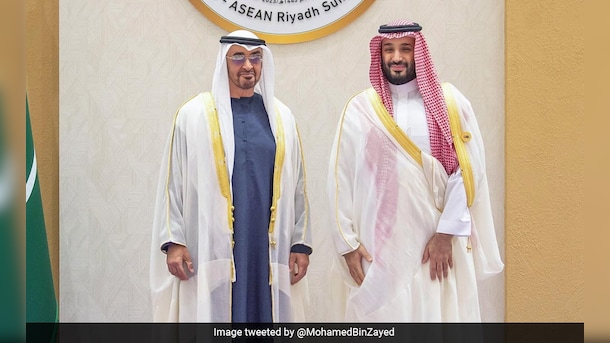
On Tuesday, the UAE's Vice President, Deputy Prime Minister and Chairman of the Presidential Court, Mansour bin Zayed, met Saudi Crown Prince Mohammed bin Salman.
-
Opinion | 'Lies, Damned Lies, Statistics': On The Controversy Around India's GDP Growth Figures
The debate is less about a single figure than about a decade-long erosion of trust in official statistics.
-
Opinion | Why India Cannot Keep 'Overestimating' Its Value To Washington
Some of India's value to Washington came from the tension between the US and China. That is changing now.
-
Opinion | India Has A 'Lobbying' Problem In Washington, And It Has Come Back To Haunt It
While the EU, Japan, the UK and South Korea secured quick deals, India's efforts were getting drained in prolonged negotiations and the wrong kind of lobbying.
-
India Is Getting Old Before Getting Rich, Will Turn 'Aged' In 16 Years: Moody's
Countries with the steepest fertility declines today will age the fastest in the coming decades. India's drop has been steep.
-
Opinion | Why Does Trump Want To Sell Arms To A US 'Adversary'? Inside His Strange Bargain
Trump's aides maintain that no such offer had been made. But the story points to a larger strategy
-
Opinion | The AI Boom Has Run Into A Big 'Debt' Trap Problem. Inside The 5% Danger Line
For most of the AI buildout's first two years, hyperscalers funded it the easy way: out of operating cash flow. That era is over.
-
Opinion | Iran To Saudi, Pakistan Is Now Fast Running Out Of Sides To Play
Pakistan's long history of playing all parties to its own benefit may have reached the end of its road.