Israel's "Political Untouchables" Emerge As Kingmakers In Election
The key to breaking the political impasse may lie in the hands of those long treated as "political untouchables": the Arab parties representing Palestinian citizens of Israel
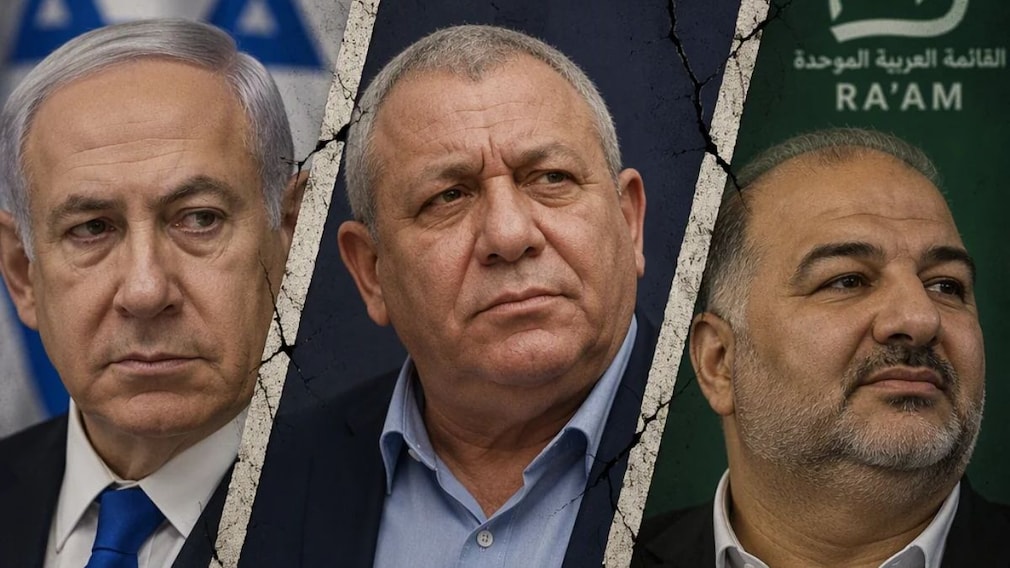
Voters in Israel have left the country facing a political deadlock. Neither of the two main political blocs, represented by incumbent Prime Minister Benjamin Netanyahu and his challenger Gadi Eisenkot, appears to have the numbers needed to form a government.
The key to breaking the impasse may lie in the hands of those long treated as "political untouchables": the Arab parties representing Palestinian citizens of Israel, which Jewish political parties have often derided as enemies of the Jewish state.
The elections saw the highest voter turnout since 1999, at 77.7%. The surge was particularly notable among the country's Arab population, which has traditionally voted at lower rates than Jewish Israelis.
Arab parties said turnout in their communities exceeded 75%. The two main Arab political groupings - the Joint List and Ra'am - are projected to win a combined 17-19 seats, potentially marking their strongest showing yet.
The Arab Israelis
Most Arab Israelis are descendants of Palestinians who remained within the territory that became Israel during the 1948 war surrounding the state's creation, when hundreds of thousands of Palestinians were displaced or fled their homes.
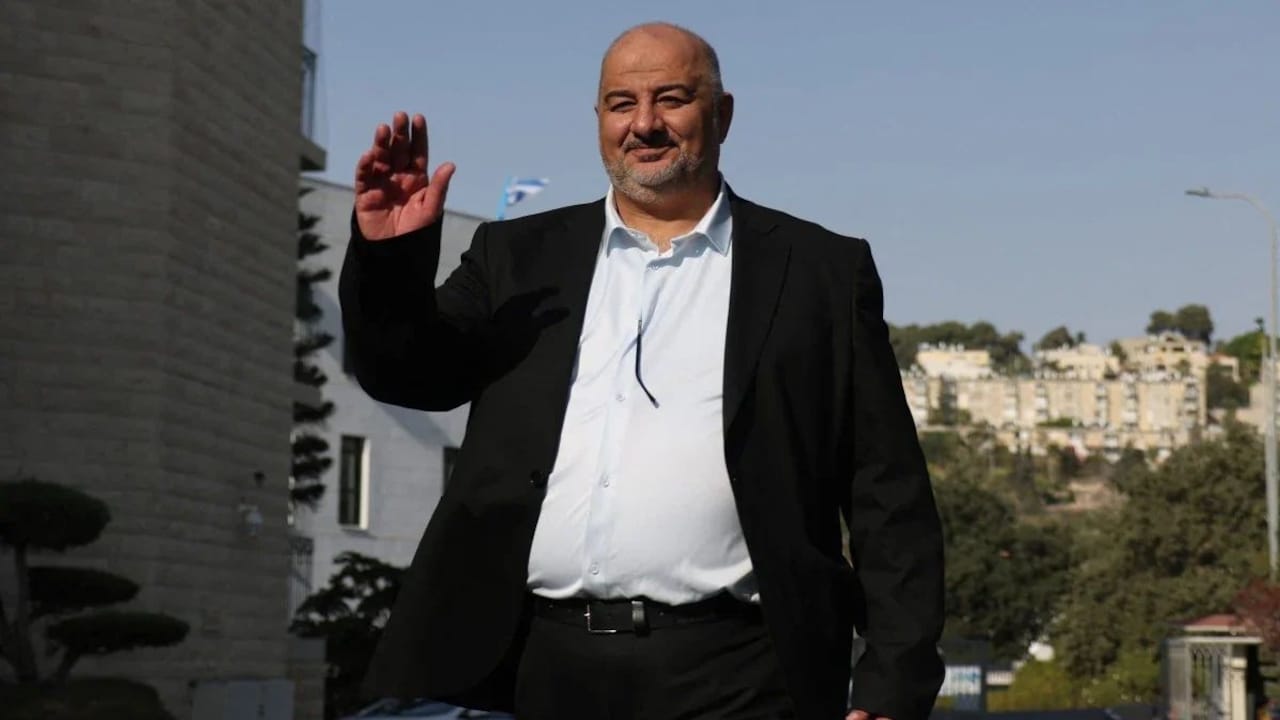
Mansour Abbas of Ra'am Party
Photo Credit: AFP Photo
Israel's current government has often portrayed Arab political participation as a threat to the country's Jewish identity. Recently, Netanyahu has claimed that his rivals intend to join forces with Arab parties to form what he calls a "dangerous government".
Read | How Victory Of Netanyahu's Rival Eisenkot Could Change Course Of Iran War
Arab-led political parties in Israel have largely focused on combating institutional discrimination, resisting the fragmentation of Palestinian communities into isolated enclaves and securing equal civil rights.
These parties represent roughly 21% of Israel's population. Many of these Arab citizens identify as Palestinian citizens of Israel. Although they have the right to vote, they continue to face significant socio-economic inequalities, restrictions in land allocation and legislation that critics say entrenches their unequal status.
One prominent example is the 2018 Nation-State Law, which defines Israel as the nation-state of the Jewish people. Critics and human rights groups argue that such measures reinforce their position as second-class citizens.
Both main Jewish-led blocs are expected to win around 51-55 seats each, leaving them short of the 61 seats required for a majority in the Knesset.
"Right Or Palestine"
Netanyahu has portrayed the result as an endorsement of the Jewish right, while Eisenkot has described it as a vote against the incumbent.
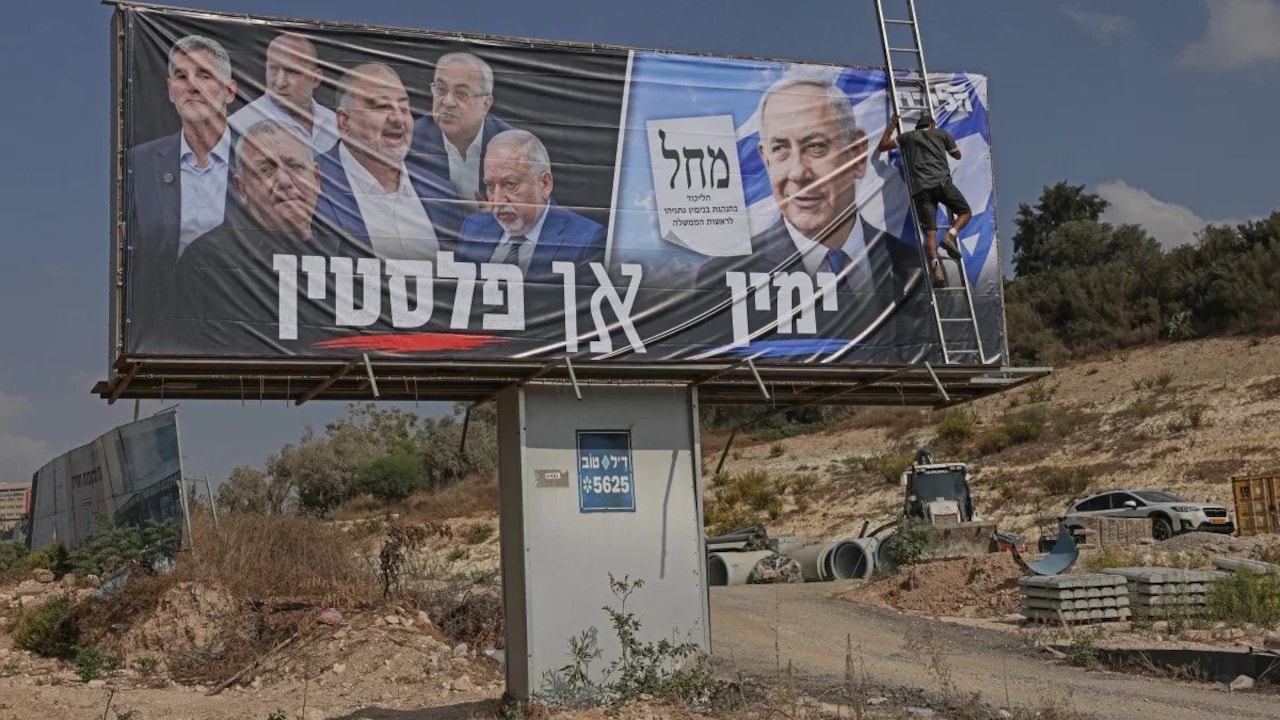
"Right or Palestine" billboard put up by Netanyahu's Likud Party
Photo Credit: AFP Photo
But beyond the rhetoric, the outcome presents the worst-case scenario for both leaders: becoming dependent on Arab parties to form a government.
Netanyahu has been a fierce opponent of these parties, running a campaign that his critics have described as bordering on racism, with slogans such as "Right or Palestine".
Eisenkot, meanwhile, has laid down conditions for any deal with the Arab parties, potentially complicating negotiations before they even begin. These are: recognition of Israel as a Jewish and democratic state; acceptance of the values enshrined in Israel's Declaration of Independence; acceptance of conscription for Palestinian citizens of Israel, who are generally exempt from mandatory military service; and an unequivocal condemnation of Hamas as a terrorist organisation.
Read | 'No Question Of Arab Parties-Backed Government': Netanyahu Amid Deadlock
The Arab parties could find it difficult to accept these conditions, setting the stage for a potentially fraught round of negotiations.
Both Eisenkot and Netanyahu have rejected the idea of forming a coalition with Arab parties, wary that such an alliance could alienate their right-wing voters.
Who Will Sleep With The Enemy?
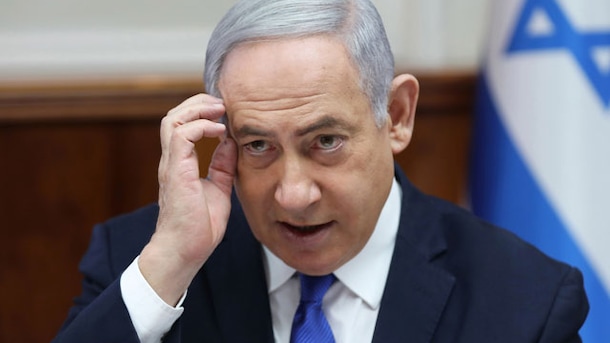
Israeli politics is about more than elections; it is also about negotiations. Netanyahu has remained in power for so long partly because of his formidable negotiating skills and ability to outmanoeuvre his rivals. The country could now face weeks, if not months, of painstaking negotiations before a government can be formed.
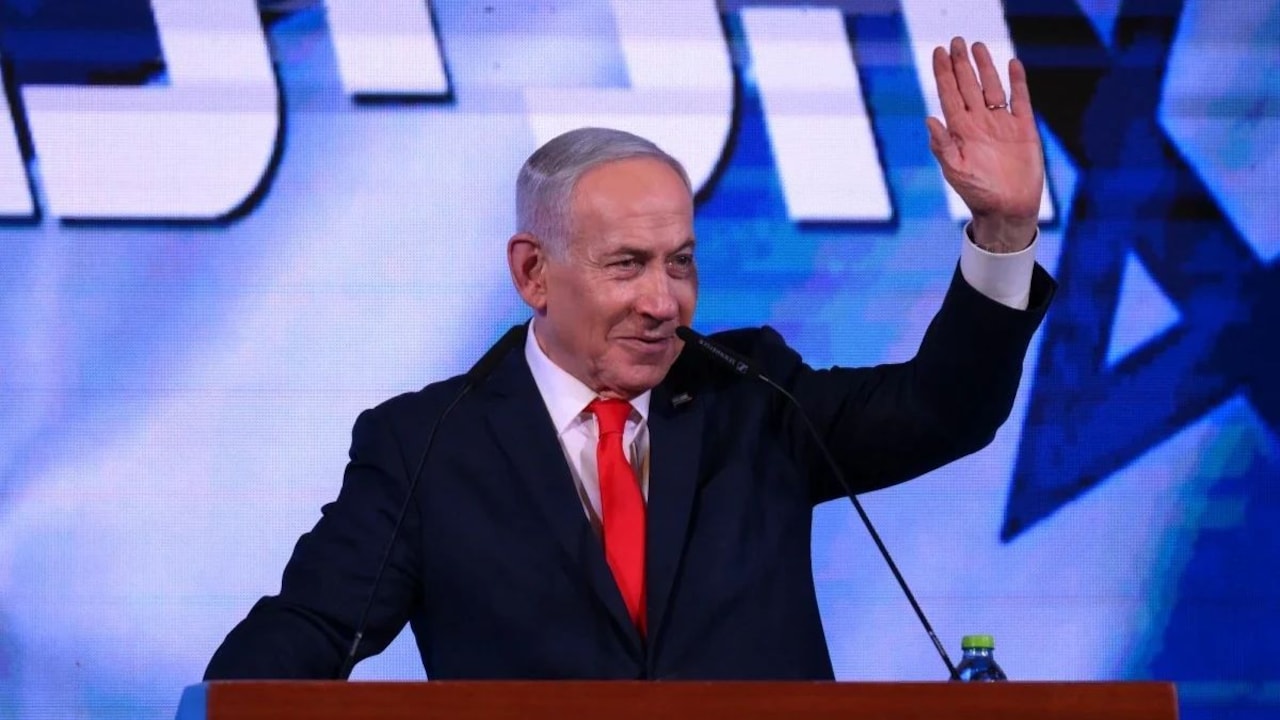
Israel PM Benjamin Netanyahu
Photo Credit: AFP Photo
Even the most optimistic observers would struggle to imagine an alliance between Netanyahu and the Arab parties. His campaign featured harsh rhetoric about Arab citizens of Israel and what critics described as fearmongering. To drive home his message, his campaign put up billboards, including at the main entrance to Nazareth, Israel's largest Arab city. The billboards presented voters with a choice between "Right or Palestine", depicting prominent opposition figures, including right-wing politicians, as representing the latter rather than the former.
The Netanyahu campaign has also used AI-generated videos portraying his opponents embracing Arab leaders, reinforcing its attempt to frame cooperation with Arab parties as a political liability.
Eisenkot may find Ra'am, the smaller of the two main Arab political groupings, and its leader, Mansour Abbas, easier to negotiate with. Abbas has already participated in a right-leaning government led by Naftali Bennett in 2021-22. He also has a Jewish Zionist deputy and has demonstrated a willingness to make political compromises.
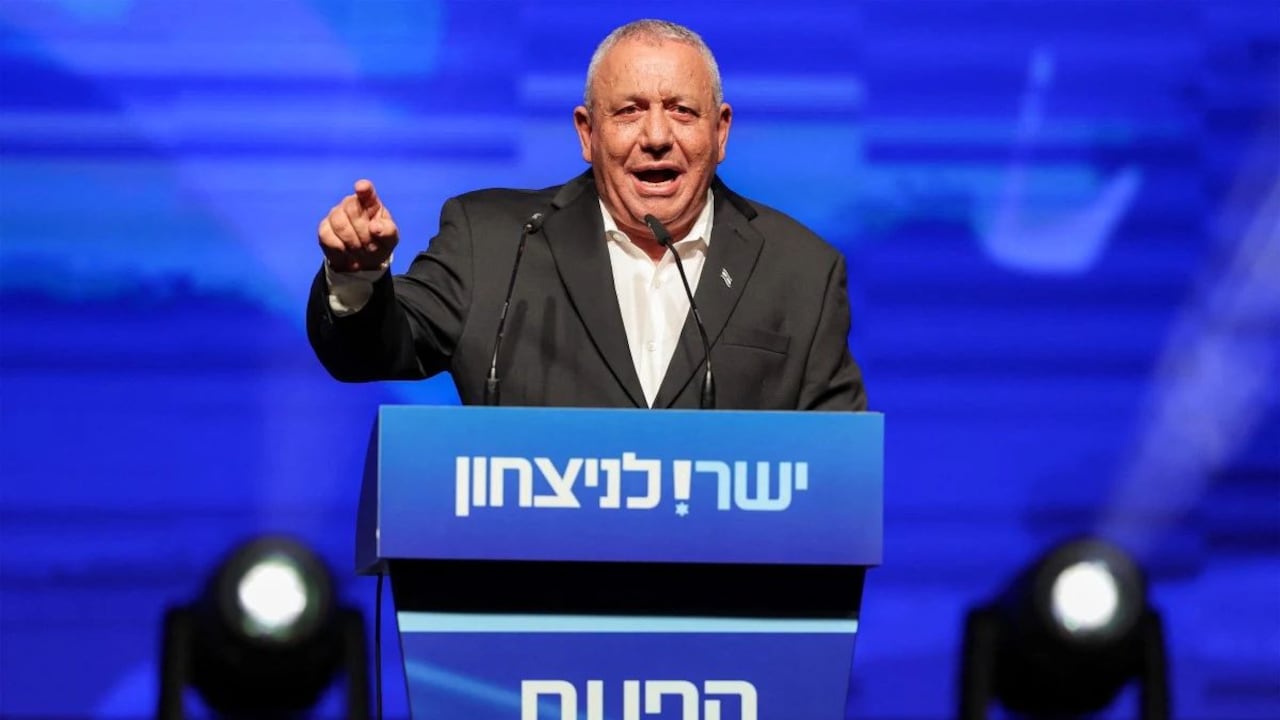
Gadi Eisenkot
Photo Credit: AFP Photo
"Influence, Not Just Representation"
On Tuesday, Abbas made his priorities clear, saying he wanted to bring down Netanyahu and his hardline ministers, Bezalel Smotrich and Itamar Ben-Gvir.
Abbas believes Eisenkot and other opposition figures may be more open to an alliance with his party after the election. He has made no secret of his desire to join the next government.
"We've reached the conclusion that parliamentary representation is not enough to serve Arab society. We decided to take responsibility, to become part of the solution to our problems and to offer hope to both Arabs and Jews," he told the BBC.
"That's why our approach has been driven by a desire to reach a position of influence, not merely representation."
Negotiations with the Joint List, which is projected to win 11 or more seats, could prove considerably tougher. The Guardian quoted Amjad Shbita, the general secretary of Hadash, the socialist party that forms the largest faction within the Joint List, as saying that Eisenkot would not be in a position to dictate terms for coalition talks.
"Laying down conditions won't work with the Joint List. We will negotiate as equals because we need each other."
That may be the defining reality of Israel's post-election politics. The Arab parties, long marginalised by the mainstream political establishment, could emerge as kingmakers. Yet the same ideological differences and political calculations that have kept them on the margins could make it difficult for either major bloc to turn electoral arithmetic into a workable coalition.
-
Opinion | Sardar Patel, And The Art Of Holding A Nation Together

A true Gandhian, he reminded his countrymen that gaining freedom from foreign rule was merely the first step; true internal Swaraj required much, much more.
-
BJP Leader's Singer Wife, A Kabir Bhajan Gone Viral, And The 'Jantar Mantar' That Wasn't
A video of Sivasri Skandaprasad's singing performance went viral, interpreted as a dig at protests at Delhi's Jantar Mantar. What she's singing is actually attributed to the saint-poet Kabir, and he did not really mean that particular "jantar mantar". He meant something far more profound.
-
Opinion | How India Is Making Its Stock Market An Expensive Place To Invest
FPIs sold Rs 1.66 lakh crore of Indian equities in 2025 and a record Rs 3.08 lakh crore in 2026 through October 12. Foreign ownership of the Indian market is at a 15-year low
-
Jail Is No Bar: How Gangsters Call The Shots From Inside Prisons
Jail can become a safe haven from enemies, a recruitment ground for fresh gang members and, in some cases, a command centre for criminal operations
-
From King Edward III To Neha Bora, A 1361 Law Lives On In 'Peace Bonds': NDTV Explains
CJP leaders Abhijeet Dipke, Saurav Das, and Ashutosh Ranka signed peace bonds; two of them even faced jail over an alleged breach, while AISA's Neha Bora questioned such a bond's very logic. Here's what a peace bond is, and what the questions are.
-
Air Force Golf Course Near PM House Closed. How This Land Has Seen Many Turns Of History
The Air Force Sports Complex, which includes the golf course, is the latest property near the Prime Minister's residence set to be taken back this year, as the land is owned by ministries.
-
Opinion | How A Poland 'Experiment' Could Change India's Defence Industry
Europe is spending billions on arms in a historic rearmament drive. Indian firms can cash in. But there's a catch
-
Opinion | The Muslim World Is Seeing An Unexpected 'Experiment' - In Kazakhstan
The country has a long history of using mediation to mitigate conflict; now, it has added another, much-wanted dimension to it.