Opinion | Pahalgam Attack, Pakistan, And The Cost Of 'Ideology'
Twenty-six tourists gunned down in Pahalgam; one Ahmadi man lynched in Karachi. Two different types of tragedies, hundreds of miles apart, but stitched together by the same playbook of hate.

I still remember that grim July evening in Anantnag eight years ago-the shrill cries, the blood-smeared faces, the stunned silence pierced by the wails of the wounded. Seven Hindu pilgrims, six of them women, gunned down on their way back from the sacred Amarnath Cave. I was in Srinagar for another story when the news broke. The attack had taken place barely 30 minutes down the highway. That night, at the district hospital in Anantnag, I saw survivors drenched in blood and disbelief, speaking of masked men firing at point-blank range. Chaos, carnage and cowardice, all in one shattering frame.
And now, it's happened again. Twenty-six innocent tourists have been massacred in Pahalgam. Another blood-soaked chapter in the same sickening script. Once again, militants have struck at unarmed civilians. Once again, the cowardly armed thugs chose the soft targets. The pilgrims in Anantnag had come to pray. The ones in Pahalgam had come to breathe in Kashmir's beauty. All they found was horror. It was an attempt to derail tourism, to send a chilling message that Kashmir is not safe.
Let's not sugarcoat it. As someone who's covered Kashmir since 1991, I cannot be convinced by gunmen and their handlers that these are acts of resistance. They are calculated executions. And they are not born in a vacuum. Behind every such ambush, there are safe havens and handlers that lie not only in the Valley, but across the border, in compounds and command centres where terror still finds sponsors and justifications.
Pakistan, A Citadel For Jihad
Pakistan has, over the years, become a one-stop shop for 'jihad'-using Islam as a war cry and foot soldiers as cannon fodder. Want to wage war in Kashmir? Knock on Jaish-e-Mohammed's door. Planning chaos in Afghanistan? Reach out to the Haqqani Network. Need to target Shias? Hobnob with Lashkar-e-Jhangvi. From the streets of Karachi to the mountains of North Waziristan, this ecosystem breeds militancy with impunity. It seems to be thriving for long on a state structure that patronises them for its own political gains.
While gunmen in Kashmir were busy murdering 26 tourists in cold blood, some 400 of Pakistan's finest moral crusaders, led by the far-right extremist party Tehreek-e-Labbaik Pakistan (TLP), were busy lynching a 47-year-old Ahmadi man. His crime? It wasn't burning the Quran, or insulting the Prophet. No, he was reportedly filming the mob that had surrounded the mosque. Yes, a mosque, because apparently, not even places of worship are off-limits when you are on a holy rampage, as it belonged to the Ahmedi community. The man died there. Beaten to death in what he likely thought was a sanctuary. But in today's Pakistan, just identifying as Ahmadi in public is enough to get you killed. No questions asked. No trial needed. Justice is served instantaneously. This is barbarism on loop.
There was no public outrage. The Human Rights Commission though said it was "appalled". In reality, that word has lost all meaning in Pakistan. And yet, we've seen this before. December 2021. Sialkot. A Sri Lankan factory manager, Priyantha Kumara, accused of blasphemy for removing a poster. He was beaten to death and set on fire. Filmed. Shared on social media. No direct link to the TLP, they said. But the mob chanted their slogans. Used their rhetoric. Quoted their clerics.
Remember, Ahmadis aren't just hated; they're officially not Muslim, according to Pakistani laws. Isn't it apartheid in the name of piety? Now contrast that with India. Yes, we have our own lynching brigades but Ahmadis, it's safe to say, are treated like any other community under the law. TLP, of course, would call that blasphemy too.
TLP, Weaponising Blasphemy
The far-right TLP is known for openly championing hard-line Sharia. It takes pride in weaponising blasphemy. Their leaders' rants against imagined Jewish lobbies and secular conspiracies inside Pakistan abound on social media. Despite being banned in 2021 for inciting violence, it was quickly rehabilitated. In the 2024 Punjab elections, it won nearly 2.5 million votes. Violence, hate and bigotry, legitimised at the ballot box. In 10 years or so (since its inception in 2015), the TLP has gone from roadblockers to kingmakers. Two governments have bent the knee. Judges have blinked. Bureaucrats have stalled. And the army - ever fond of "strategic depth" - has either looked away or served tea.
The world may be less aware of its activities. But the TLP isn't actually hiding in caves. It's not a ragtag militia. It's a registered political party. Millions of votes. Millions of views. Born of the Barelvi tradition once known for Sufi shrines and qawwalis. Today, that tradition has been hijacked and is shouting for blood.
But this isn't just about TLP mobs. It's about the rot. It's the way killing in the name of religion has been normalised, wrapped in hashtags and WhatsApp forwards.
Crossing Of Borders, Crossing Of Ideology?
This isn't just Pakistan's tragedy anymore. It's a digital export. Packaged in sermons and delivered via WhatsApp. In 2020, a 26-year-old Pakistani man attacked people outside Charlie Hebdo's old offices in Paris. He told the police his inspiration came from watching TLP founder Khadim Hussain Rizvi on YouTube. Rizvi, now deceased and succeeded by his son Saad Hussain Rizvi, once screamed he would nuke Holland. "If I'm given the atom bomb, I would wipe Holland off the face of the earth before they can hold a competition of caricatures," thundered Khadim Rizvi. His outrage was aimed at a Dutch cartoon contest. He demanded that Pakistan snap ties with the Dutch but the matters got settled after the organisers cancelled the contest.
India Must Be Vigilant
In India, the vast majority of Muslims belong to the same Barelvi tradition that TLP emerged from. So far, Indian Barelvis have stayed rooted in ritual, not politics and violence. But what happens when the sermons start to travel not with guns but with data?
Good thing is, India doesn't have Pakistan's blasphemy laws. Ahmadis here are considered part of the Muslim mainstream, a position that could get them jailed next door. But we've seen how fast the contagion of hate spreads in South Asia. That's my worry. That should be the authorities' worry.
Which brings us to the TLP's two-faced reality: on one hand, they brandish slogans about honouring the Prophet; on the other, they cheer mobs that lynch helpess individuals. Once ideology is weaponised, facts don't matter. Ahmadis, Hindus, Christians and even mainstream Sunnis who dare to differ, none of them is safe. Because this is not about Islam. It's about power and control. Of course, the Ahmadis bear the worst of it. In Pakistan, it is in fact illegal for an Ahmadi to call themselves Muslim. Their mosques can't be called mosques. Their gravestones can't bear Quranic verses. Their greetings are criminalised. Their very existence is treated as a provocation.
You know things are bad when Pakistanis abroad start introducing themselves as Indian-not because they have switched allegiances, but because it's just less awkward at global gatherings or non-South Asian circles. It's not betrayal. It's brand management. After all, the honest truth is that this nuclear state is forever trending for the wrong reasons. A factory of foot soldiers for holy wars.
Twenty-six tourists gunned down in Pahalgam; one Ahmadi man lynched in Karachi. Two different types of tragedies, hundreds of miles apart, but stitched together by the same playbook of hate. Some elements in Pakistan have perfected the art of killing in God's name. The question isn't what the world will do about it. It's whether Pakistanis themselves are ready to defy the thugs in turbans who have hijacked their faith, their streets and their future. Until that happens, the shootings and beatings will continue. The slogans will rise. And the country that once imagined Jinnah's pluralism will keep waking up in Zia's nightmare.
(Syed Zubair Ahmed is a London-based senior Indian journalist with three decades of experience with the Western media)
Disclaimer: These are the personal opinions of the author
-
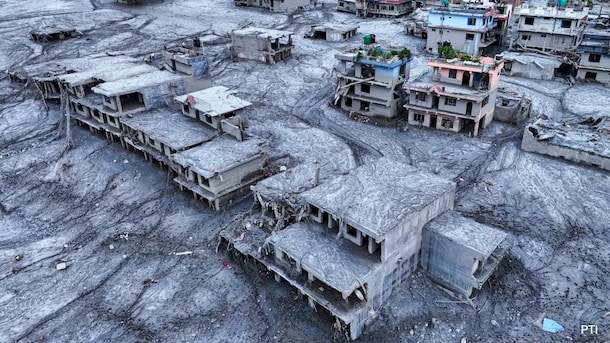
Opinion | Nepal Needs $5 Billion To Rebuild. World's Climate Fund Doesn't Have Even 10% Of It

The fund caps support at USD 20 million per project; Nepal needs two hundred times that. And the board is not scheduled to sit until December.
-
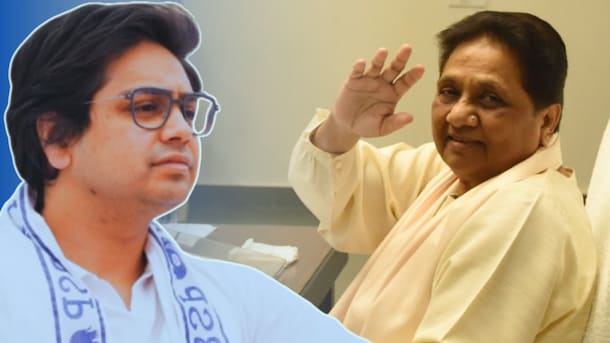
Mayawati's Tough Love: Nephew Akash Anand Benched Again. What It Means For BSP
Akash Anand, the 31-year-old foreign-educated nephew of BSP boss Mayawati, finds himself out of favour, for at least the third time in three years, with the latest turn coming in Lucknow on September 3.
-
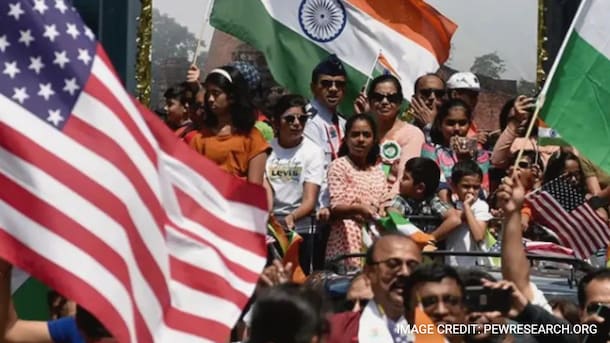
Opinion | The Rise Of Indians In US Is Making Some Americans Very, Very Angry
A new report released yesterday shows how Indians are now among the biggest targets of racist attacks in America.
-
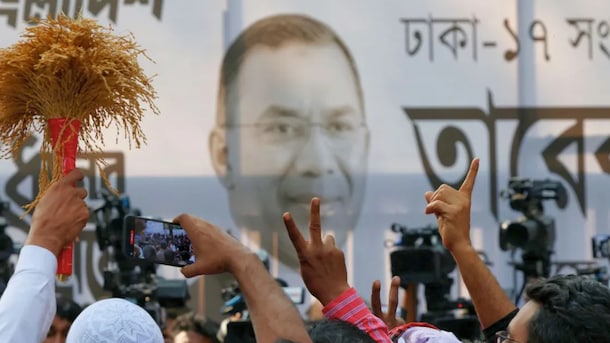
Opinion | China, Pak, A Stalled India Visit: How Signals From Bangladesh Are Getting Louder
A fighter jet deal with China, interest in Pakistan's military bloc, and a 'stalled' visit to India - all in a month. Bangladesh's drift is getting harder to ignore.
-
Opinion | Indus Treaty, Hague, And Pakistan's Endless Search For Leverage Over India
If the IWT survived all the trials in the past, it is because India's threshold of tolerance had been unusually high. But Pakistan must know that it can't arm-twist India through international pressure.
-
Opinion | Nepal's 'Climate Compensation' Pitch Is Valid, But Its Demand From India Isn't
Nepal's vulnerability gives it a claim on multilateral climate finance. It does not follow that India bears responsibility for this.
-
Opinion | India Wants A 6th-Generation Fighter. But A Lot Could Go Wrong
India might just be building too many fighter jets to focus on any one of them well. A recalculcation is needed.
-
Reporter's Diary | Worse Than War: An Aerial View Of Nepal's Trishuli River Valley Tragedy
In many ways, reporting on natural disasters is far more harrowing than covering modern war
-
Opinion | China's Quiet Power Grab Is Hiding In Plain Sight
China's greatest advantage may be neither its military nor its markets, but a world too distracted to see what it is building.
-
Opinion | The Indian Investor Has A New Problem: An SIP That Does Nothing
You keep doing everything right. So why aren't your stocks paying off, even as your investments rise?