Tea With Taliban, Art With Afghan Women: Indian Influencer's 13-Day Solo Trip Across Afghanistan
In an exclusive NDTV interview, travel influencer Ankita Kumar described her 13-day solo trip to Afghanistan, where she had tea with the Taliban, roamed the streets of Kabul and met Afghan women
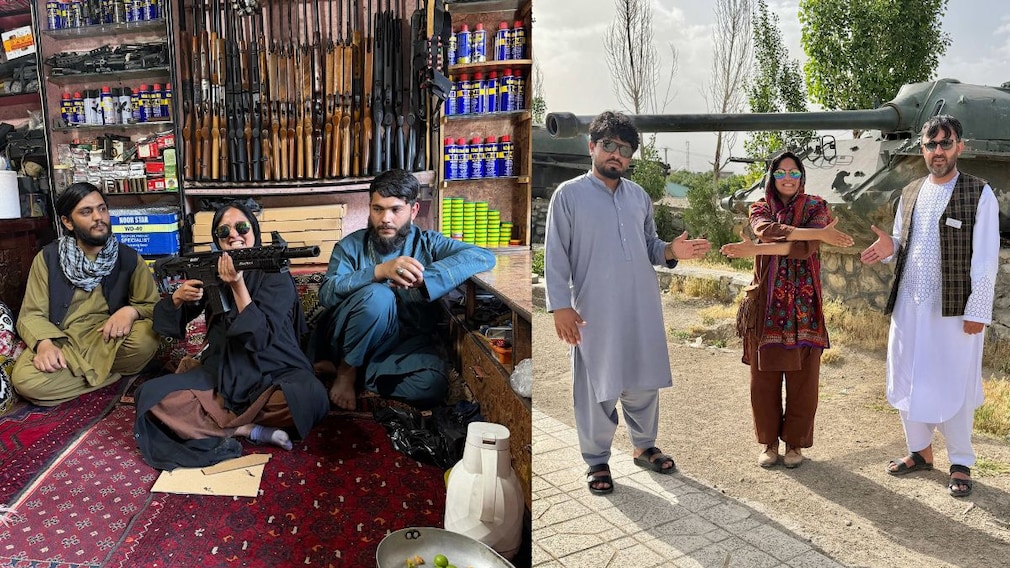
Ankita Kumar, better known as Monkey Inc to her nearly six lakh followers on Instagram, is one of India's most recognisable travel creators. But for her, travel has rarely meant ticking destinations off a bucket list.
Over the years, she has dived near an active underwater volcano, swum with sharks, drunk cow blood with indigenous communities, hunted with tribes in Kenya, and lived in some of the coldest inhabited regions on Earth where temperatures can plunge to minus 70 degrees Celsius. Most of these journeys have been undertaken alone.
So when an opportunity finally arose to visit Afghanistan while she was travelling through Uzbekistan and Tajikistan, she did not turn it down.
After all, this was her fourth attempt to enter the country.
She had already gone through four Afghan visas. One trip had been cancelled due to a family health emergency. Another collapsed after a flight cancellation. The third and fourth were thwarted by regional tensions that shut down airspace. By the time the opportunity resurfaced, she had just 13 days left on her visa.
So she did something that most solo travellers (regardless of their gender) would think twice.
Kumar crossed the border anyway.
She entered Afghanistan alone and stayed until the final hours of her visa validity, spending nearly two weeks travelling through Kabul, Bamiyan, Band-e Amir, Ghowr, Herat, Kandahar and Mazar-e-Sharif.
What she returned with was not a story about danger or adventure alone, but a far more complicated portrait of a country often reduced to headlines.
The Fourth Attempt That Finally Worked
The journey almost never happened.
"Actually, the tour company had reached out to me in December 2024 first, and I was supposed to go in March 2025," Ankita shares her story with NDTV.
The first attempt was cancelled due to personal family circumstances. The second ended when a connecting flight was cancelled. The third coincided with escalating regional conflict that affected the airspace.
Even her fourth attempt arrived amid fresh geopolitical uncertainty.
"I have actually had three visas till now. This was my third visa, and I only had 13 days left, and I did not plan to go."
She was in Central Asia when her Afghan guide called.
"He said, 'Ankita, you have 13 days left. Just make sure you come.'"
The proposal sounded almost reckless. Kumar's parents knew nothing about it. Only her brother was aware of her plans.
"My parents thought I was extending my Tajikistan trip because it's so beautiful. I said I was going to extend two more weeks there, and they didn't question it."
It was only after she returned to India and uploaded her videos that her family discovered where she had really been.
Standing In No Man's Land
One of the most nerve-racking moments arrived before she had even entered Afghanistan.
After being stamped out of Tajikistan, she found herself in a limbo zone between countries.
"I was in no man's land for like 30 minutes, not knowing. I wasn't here, I wasn't there and I couldn't even be deported because deported to what? I couldn't go back to Tajikistan."
Eventually, representatives from her tour operator, Peace Hope Afghanistan Tours, met her at the border.
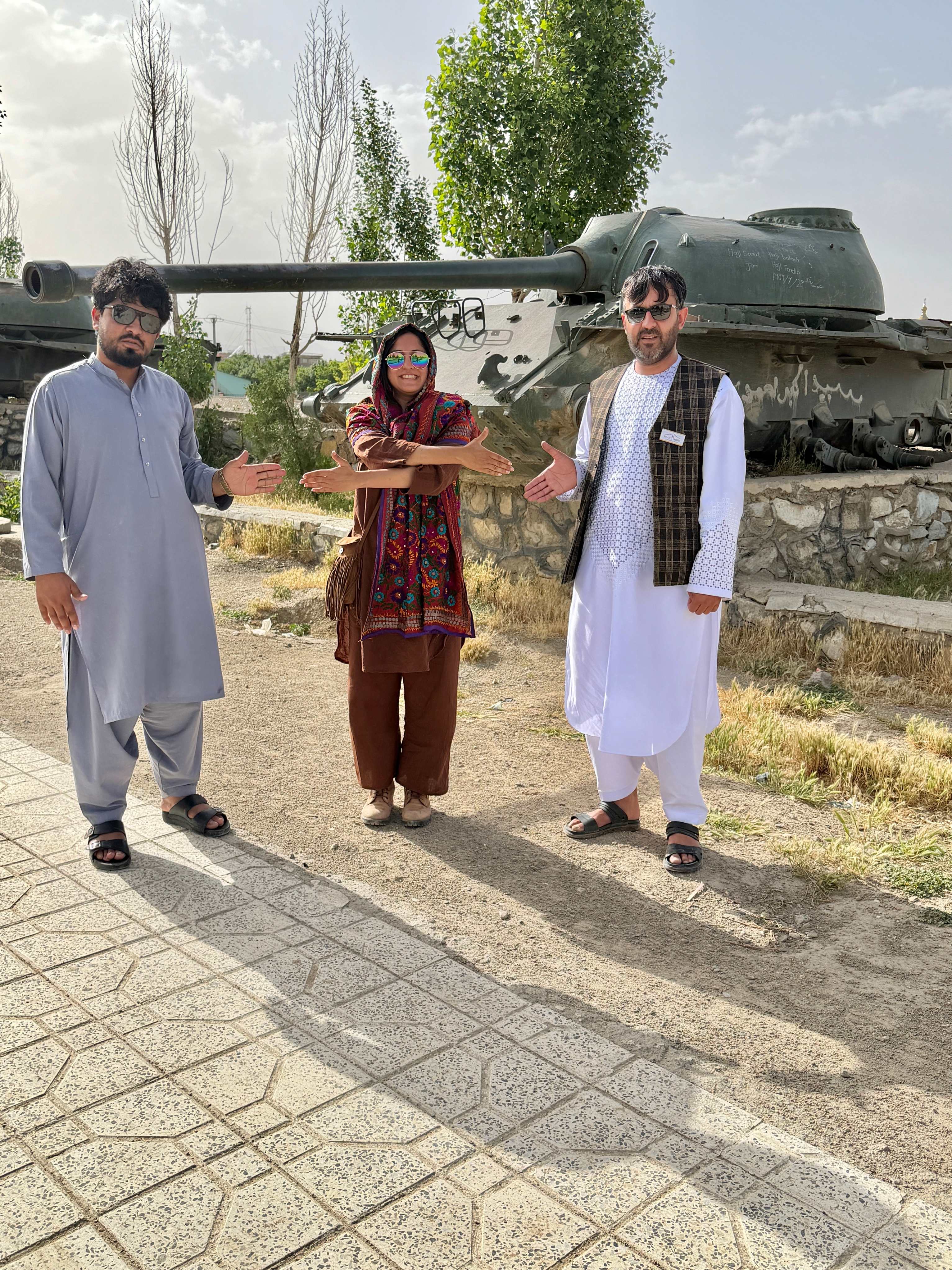
Ankita entered Afghanistan alone and stayed until the final hours of her visa validity. Photo: NDTV/Ankita Kumar
Her first interaction with Afghan authorities immediately challenged some of her assumptions.
"There were women Taliban officers. They were like, 'What are you doing here? You came alone?'"
She handed them a packet of Haldiram mixture.
"They were very happy about it," Ankita recalled.
Soon afterwards, she entered Kunduz and began a 12-hour drive towards Kabul.
Kabul: Beauty, Poverty And Contradictions
Afghanistan's capital introduced Kumar to the contradictions she would encounter throughout her trip.
"Kabul is beautiful. It has gorgeous mountains at the backdrop and is really beautiful, but there's a lot of poverty."
Children cleaned car windows at traffic signals. Others begged for money. Street markets buzzed with activity. Huge piles of currency were exchanged openly in markets. A gun market sold firearms over the counter.
One of the highlights was meeting legendary box-camera photographer Kaka Zaman, whom she had long wanted to photograph and document.
Yet Kabul also revealed the restrictions placed on women.
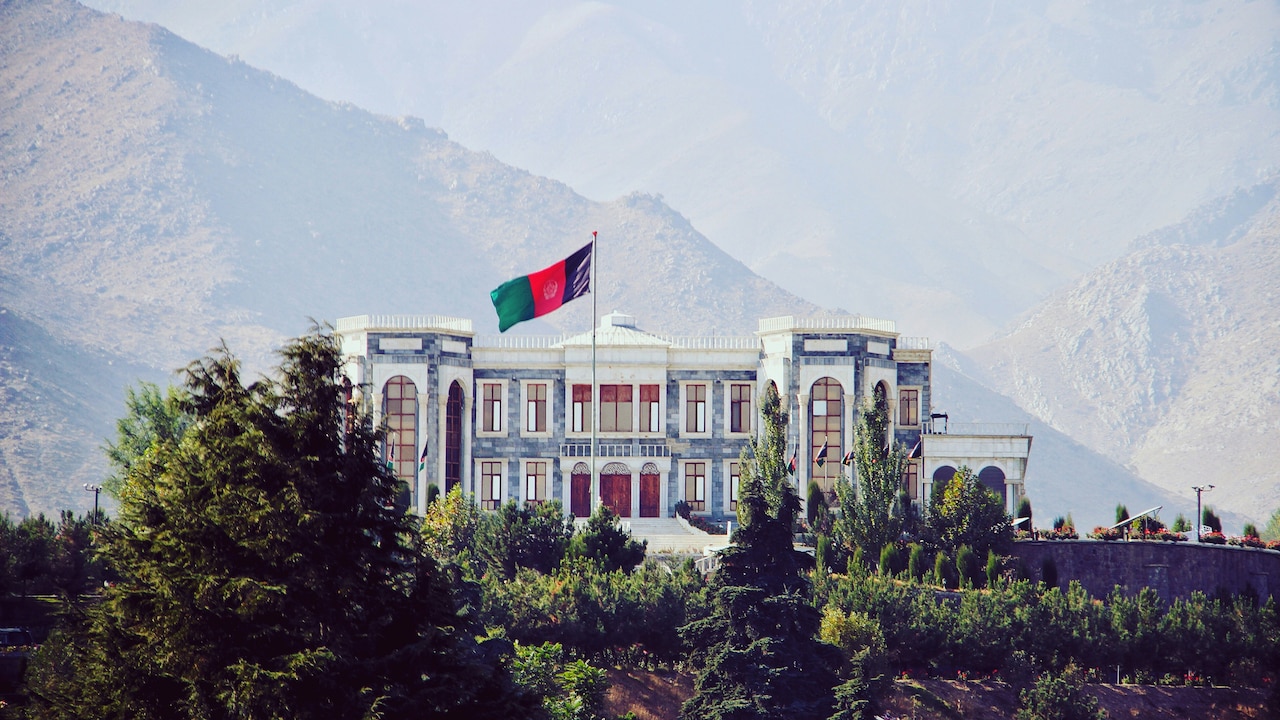
Paghman Castle in Kabul, Afghanistan. Photo: Unsplash
At a blue mosque, she was not allowed inside.
"They have these 'street doctors'. They're dressed in full white, and they monitor women's clothes. That's their job, and everyone hates them."
Even a glimpse of her neck attracted unwanted attention.
"People would stare because a little piece of my neck was visible."
Throughout the trip, Kumar found herself constantly navigating rules that governed women's appearance and movement.
Travelling As A Woman Under Taliban Rule
Because she was travelling alone, Kumar required a guide throughout her journey (women in Afghanistan need a male companion to travel outside).
Every city requires permits. Taliban officials regularly checked her documents and travel arrangements.
"I had a guide who was sorting out permits because in every single city I went to, the Taliban would come to meet me because I was alone," she says.
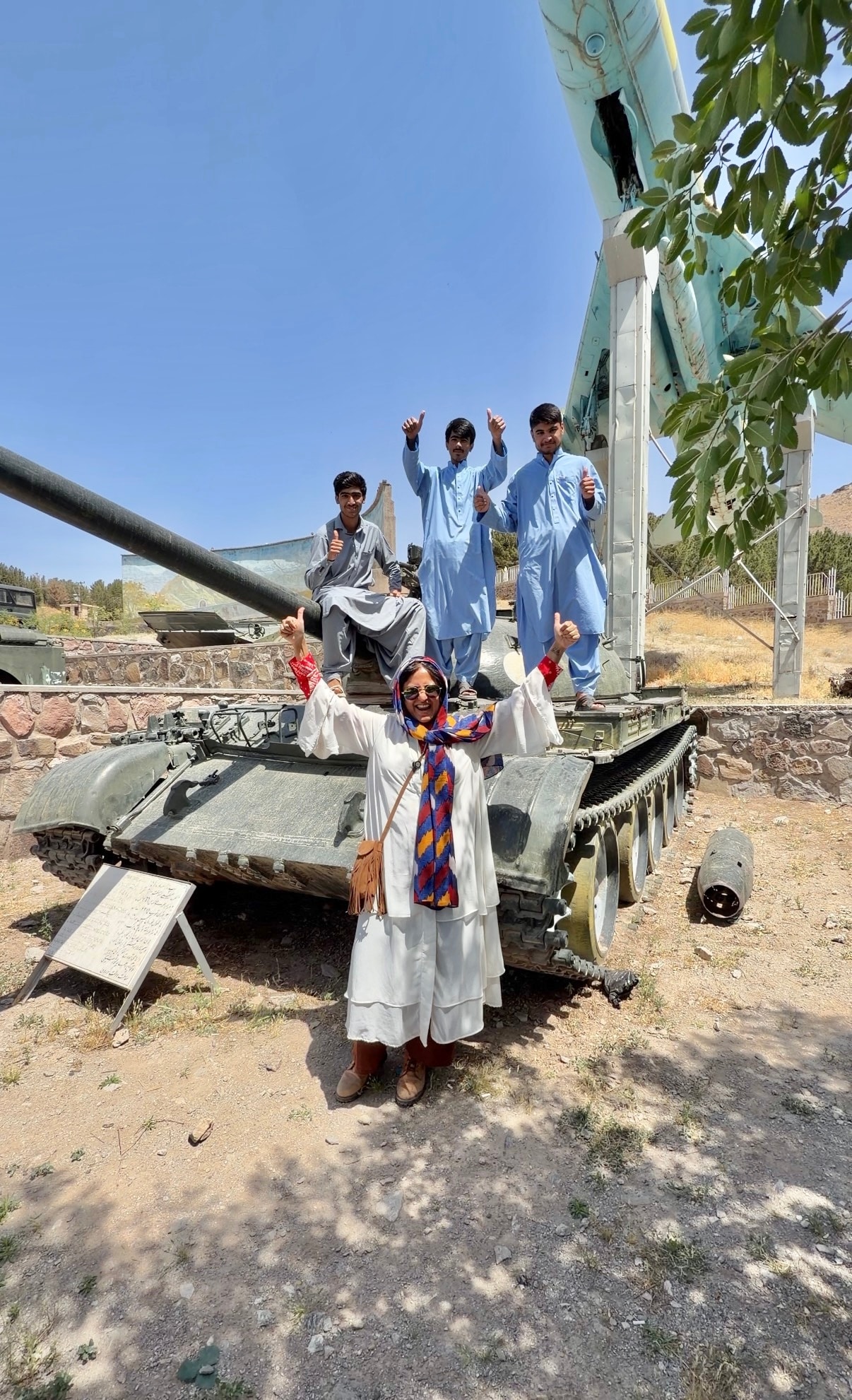
Afghanistan's capital introduced Kumar to the contradictions she would encounter throughout her trip.
The restrictions extended into daily life.
Restaurants had separate family sections hidden behind curtains and walls. She could not eat in areas reserved for men. In some places, authorities checked whether she had a room of her own rather than sharing accommodation.
'Women Are Asked To Travel Like Cattle'
At Band-e Amir, Afghanistan's famed turquoise lake system, women were not allowed after 8 in the morning. When asked about the restriction on women's entrance to the lake, Ankita got a reply that left her speechless.
"Girls are not allowed to study after six, do you really think they (taliban) care if they're allowed in Band-e Amir?"
"We had to wake up at four and go," Ankita recalls her Band-e Amir journey.
In Kandahar, the second-largest city in Afghanistan, the restrictions became even more visible.
"Women are not allowed to ride in front with the men. They are not even allowed to sit in the car if a man is driving the car. They're sitting in the trunk with the trunk open even if the vehicle is empty."
She describes Kandahar as the most uncomfortable stop of her trip and chose to leave after only one night.
Chai Par Charcha Ft Taliban
While cities offered one version of Afghanistan, the country's remote interior offered another.
For three days, Kumar travelled through isolated regions including Ghowr and towards the famed Minaret of Jam, a UNESCO World Heritage site believed to have inspired Delhi's Qutub Minar.
There was no mobile network.
Roads were rough and accommodation often consisted of basic roadside truck stops.
"We stayed at truck stops where truckers stay because there are no proper hotels, just a room with a gadha (mattress) and a pillow."
Along the way, they encountered nomadic families, farmers and donkey caravans. Public transport was virtually non-existent, so travellers routinely offered lifts to strangers.
One of the most surreal moments occurred near the Minaret of Jam.
There, Kumar found herself sharing tea with Taliban members.
"I was the only woman and there were about 15 Taliban men sitting under a tree. I wanted tea and they made tea for me."
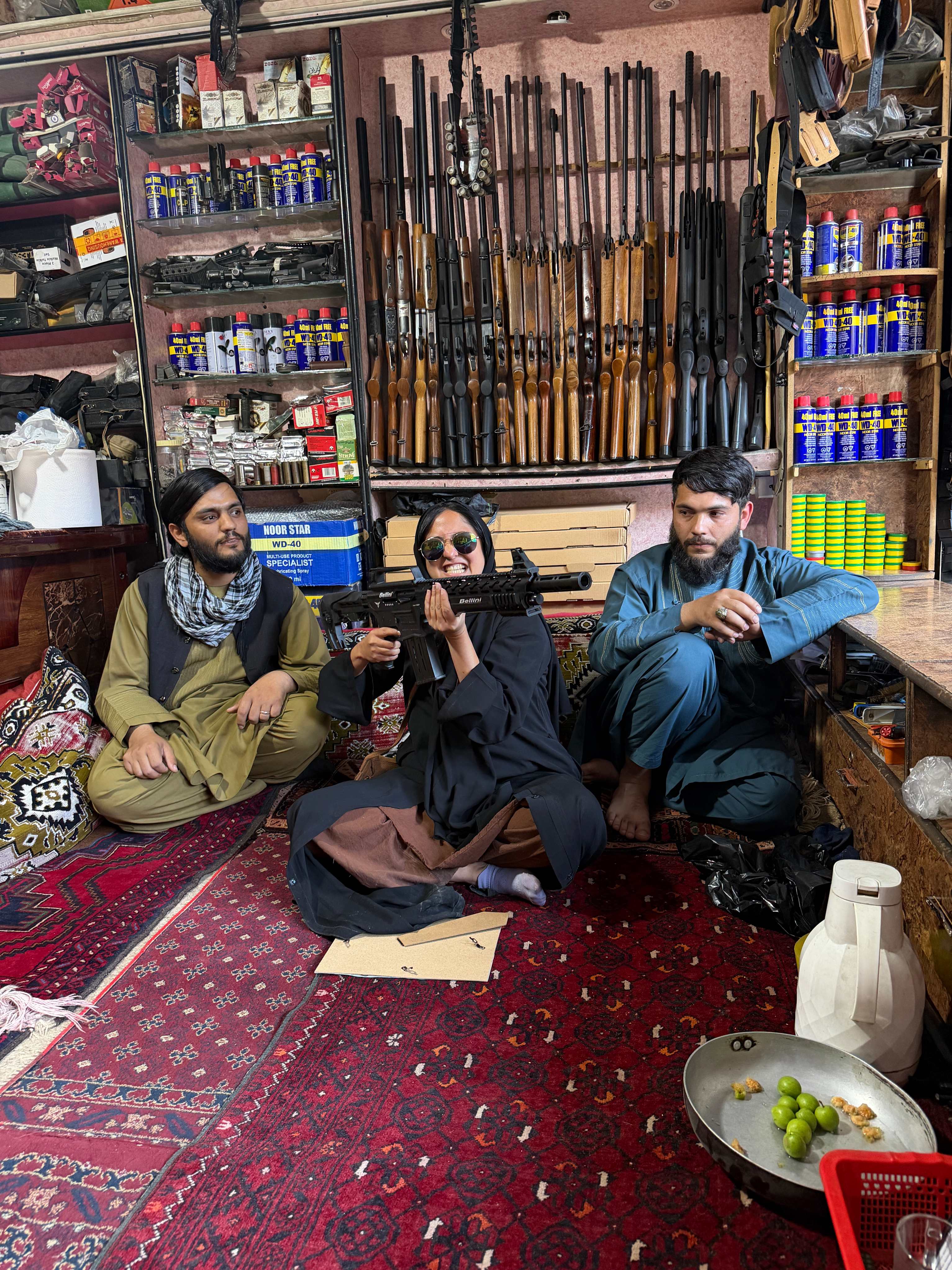
While cities offered one version of Afghanistan, the country's remote interior offered another.
The conversation ranged from geopolitics and India-Pakistan relations to Afghanistan's future.
"The Taliban served me tea. We sat casually and discussed geopolitics, world politics, war, India, Pakistan, Afghanistan. It was surreal."
Yet Kumar remained conscious of the contradiction.
"They were nice to me because I'm a foreign woman, yet they're terrible to their own women."
She says accepting their hospitality was emotionally complicated.
"Unless they're kind to all women, I couldn't fully accept it," she remarked.
Reminders Of A Different Afghanistan
Among the country's most striking destinations were Bamiyan and Band-e Amir.
Bamiyan is home to the remains of the giant Buddha statues destroyed in 2001. Nearby, Kumar met Hazara families still living inside cave dwellings.
Band-e Amir, meanwhile, left her stunned.
"It was stunning, like bright blue glassy water."
The national park's seven lakes shimmer in impossible shades of blue, surrounded by dramatic cliffs and mountains.
For Kumar, these landscapes challenged stereotypical images of Afghanistan as a place defined only by conflict.
How Women Of Afghanistan Resist Quietly
If Kabul revealed Afghanistan's complexities, Herat became Kumar's favourite city.
Bordering Iran, Herat felt noticeably different from many other parts of the country.
"Herat is relatively the most liberal," Ankita says.
There she met Faiqa, one of the country's growing number of female guides. Together they visited women-run art galleries, pottery studios and a women-only cafe where a group of women were celebrating a birthday.
The atmosphere was markedly different.
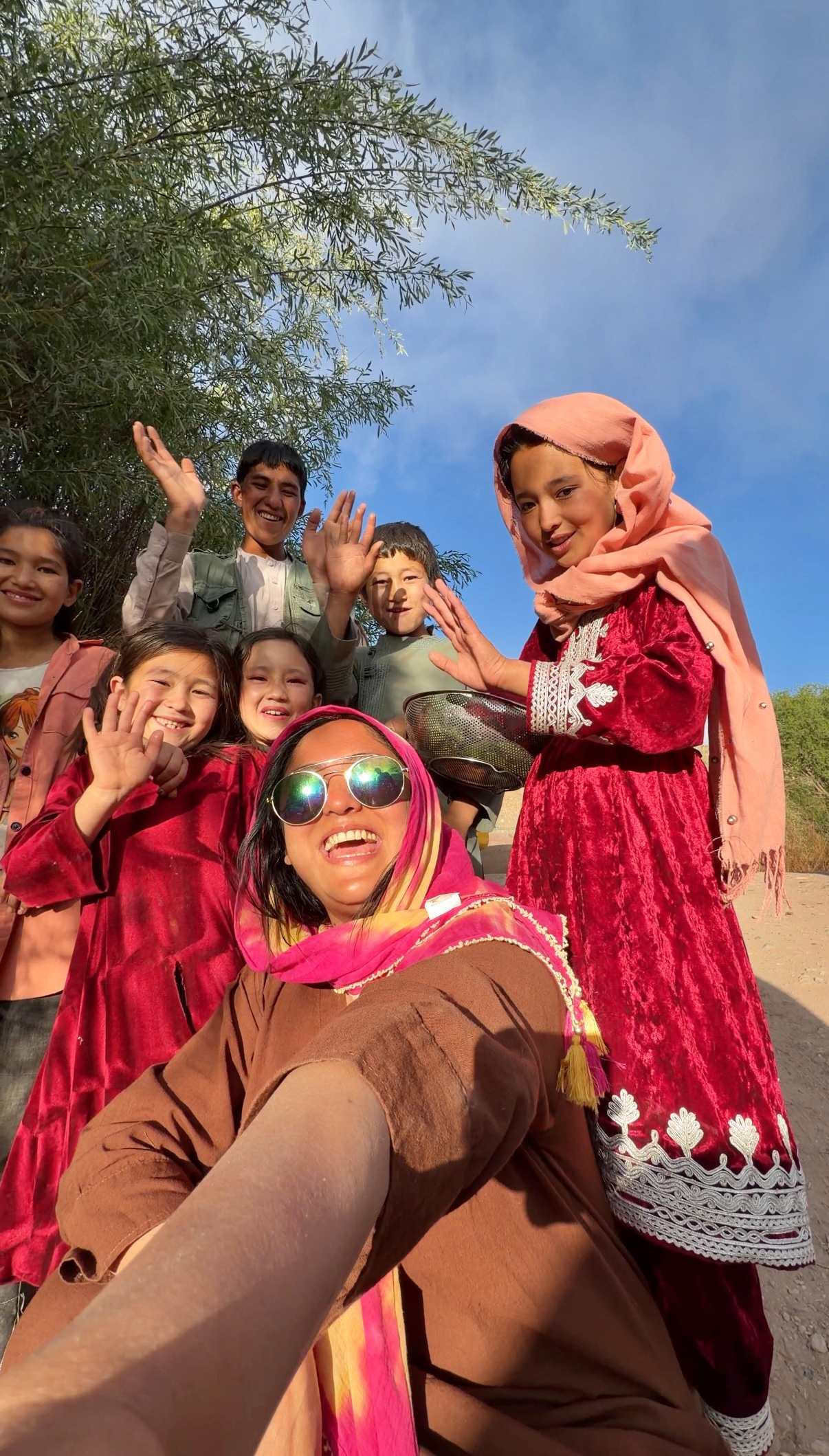
Bordering Iran, Herat felt noticeably different from many other parts of the country.
"That was the cutest thing," she said.
The city also introduced Kumar to Afghan women finding creative ways to push back against restrictions.
One encounter particularly stayed with her.
She met a 21-year-old woman running Vision University, an online educational platform serving around 12,000 girls.
With girls barred from continuing formal education beyond sixth grade in many circumstances, online learning has become an alternative pathway.
Kumar says these women were not passive victims waiting for rescue.
Instead, many were finding ways to resist quietly.
"My guide was 23 and had remarkable maturity. When I asked if she was angry at men, she said no because she understands it's their conditioning."
According to Kumar, resistance often takes place in small, careful acts rather than dramatic protests.
"They were very mature about it. They knew they can't be loud with their resistance because they'd be gunned down," Ankita says one of the female guides shared this information with her.
Why Afghans Don't Fit Easy Narratives
Perhaps the strongest impression Kumar carried home was how difficult it is to fit Afghanistan into simple categories.
"The point is to show people that there is still humanity. There are people living their daily lives there."
Throughout her travels, she encountered opinions that often contradicted common international narratives.
In some regions, people expressed support for the current government, not necessarily because they agreed with every policy, but because they felt exhausted by decades of war.
"Humare pass finally aman hai (they said they finally have peace after 50 years of wars)," Ankita recalls people of Afghanistan telling her.
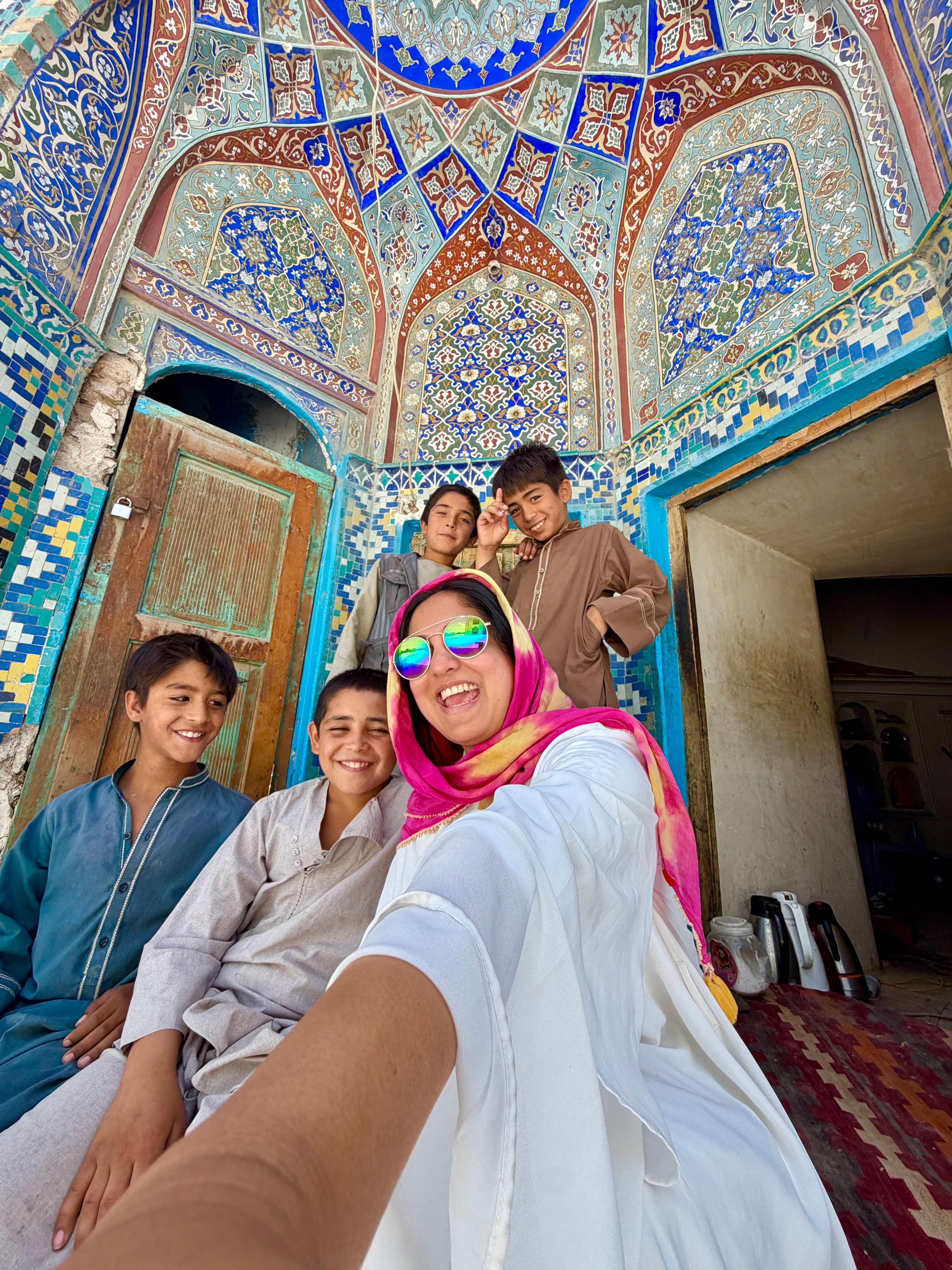
Kumar says it is difficult to fit Afghanistan into simple categories.
For many Afghans, she says, the conversation is less straightforward than outsiders often assume.
"We outside observers should stop assuming what's good for them and instead listen to what they want," Ankita says.
That does not mean ignoring the realities faced by women, she adds.
"I hated the parts where women are treated badly. There's no way to be okay with that," she says.
But it does mean recognising that Afghanistan is more than its rulers.
'India Afghanistan Dost Hai'
One recurring theme throughout Kumar's journey was the warmth she received as an Indian traveller.
Everywhere she went, introducing herself as being from 'Hindustan opened doors'.
"If they knew I was from India, they were immediately warm," she says.
Locals often refused payment for tea. Children gathered around her. In one memorable moment, she held up a placard reading "Mummy Papa I'm fine", prompting laughter and excitement among Afghans.
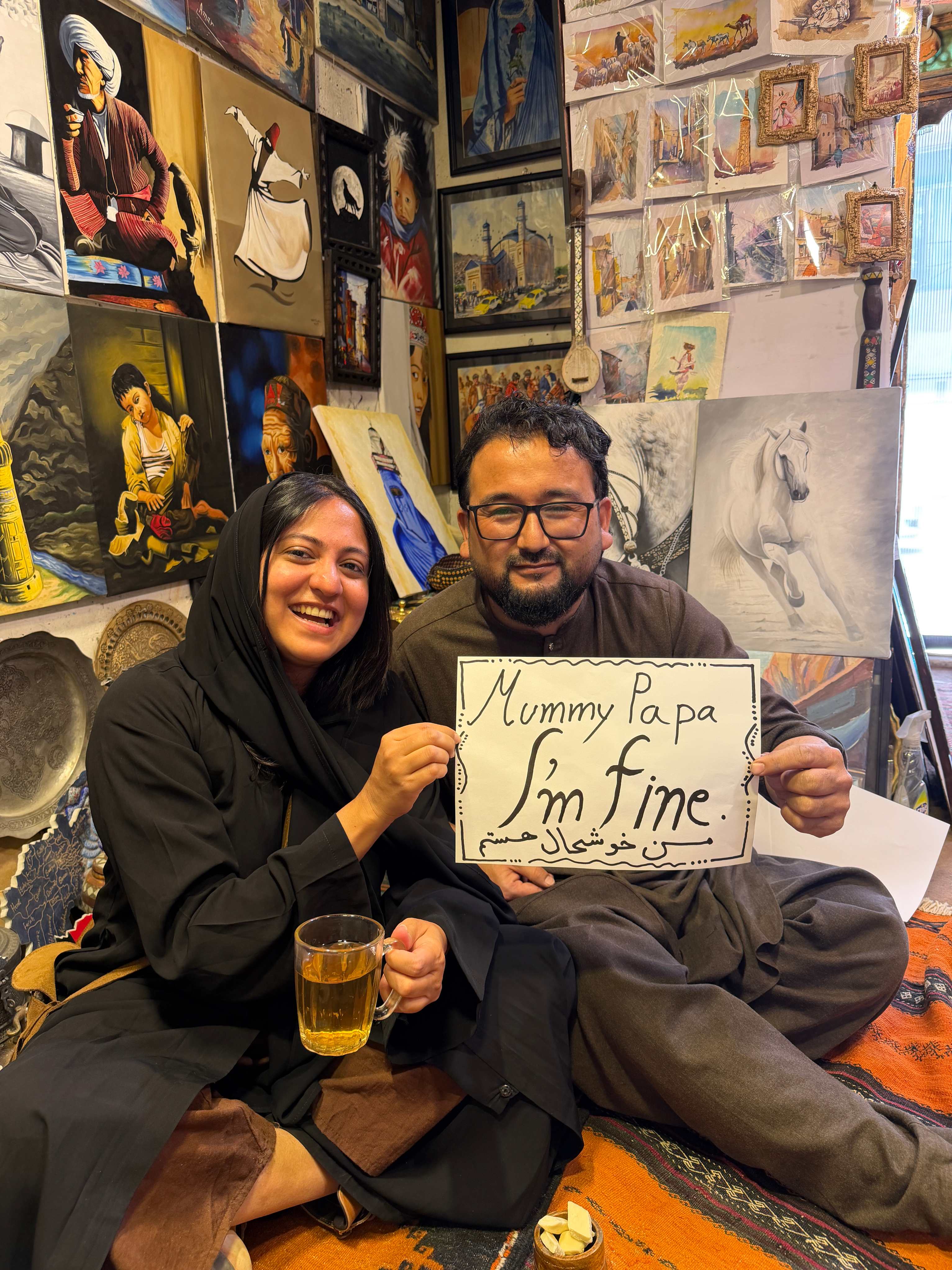
Kumar and her placard that had 'Mummy Papa I'm fine' written on it. Photo: NDTV/Ankita Kumar
"The kids were excited because they could read the Farsi line,"
Soon they began repeating a phrase she heard throughout her trip:
"India Afghanistan dost hai (India and Afghanistan are friends)."
Looking Beyond The Headlines
Kumar is careful not to romanticise Afghanistan. Nor does she wish to sensationalise it.
"The last thing I wanted to do was sensationalise, and say, ' Oh, come to Afghanistan"
Her videos and reflections instead attempt something more difficult: presenting multiple truths at once.
A country where women face severe restrictions, yet where women are quietly building online universities.
A place where armed Taliban members serve tea to foreign visitors while many Afghan women continue to struggle for basic freedoms.
A land of breathtaking mountains, blue lakes and ancient monuments, alongside deep poverty and decades of trauma.
"We need to think beyond the Taliban. Afghanistan has people, humanity, real people who are welcoming and kind," Kumar says.
For her, those 13 days became less about crossing a destination off a list and more about understanding a place that refuses to fit neatly into anyone's assumptions.
-
The Rise Of Finsta: How Gen Z Is Making Multiple Instagram Accounts To 'Avoid Boomers'

For Gen Z, Instagram, which once felt like your little corner of the Internet, is crowded with everyone you were trying to avoid
-
Facebook To Instagram, How Indian Women Are 'Renting-A-Boyfriend' Hourly
Rent-a-boyfriend once sounded like a quirky plot from a Japanese drama; however, it is now slowly becoming a real, searchable service around the globe, even in India
-
'Rs 370 Biryani' And Dead People: When Does Comedy Stop Being Funny?
Over the years, Indian comedy has repeatedly found itself at the centre of debates about sexism, objectification and shock humour
-
Ram Charan Says He Felt "Mentally Low" During COVID, Recalls How SS Rajamouli's Advice Helped Him
Ahead of the release of his upcoming film Peddi, Ram Charan spoke candidly about the emotional toll the pandemic took on him
-
Ghaziabad Triple Suicide And How Korean Culture Is Reshaping Teen Lives In India
The Korean Wave in India is a complex cultural exchange shaped by technology, aspiration, and globalisation
-
Radhe-Radhe Guru Ji: How Gen Z Push Made Religion A Market Worth Rs 4.86 Lakh Crore In India
Astrology and religion are becoming cool again for Gen Z thanks to technology, AI, and social media
-
Can Anti-Ageing Drugs Cause Cardiac Arrest? Doctors Explain Shefali Jariwala Death
Reports suggest that Shefali may have taken a cosmetic anti-ageing injection on an empty stomach, which could have caused a cardiac arrest
-
Adolescence And The Double Lives Of Teenagers: What Parents Don't See Online
Adolescence is not just about growing up; it is about shaping the adults these teenagers will become