Asaduddin Owaisi Seals Chandrashekhar Azad Tie-Up, Chief Minister Face. What It Means For UP
 NDTV Photo
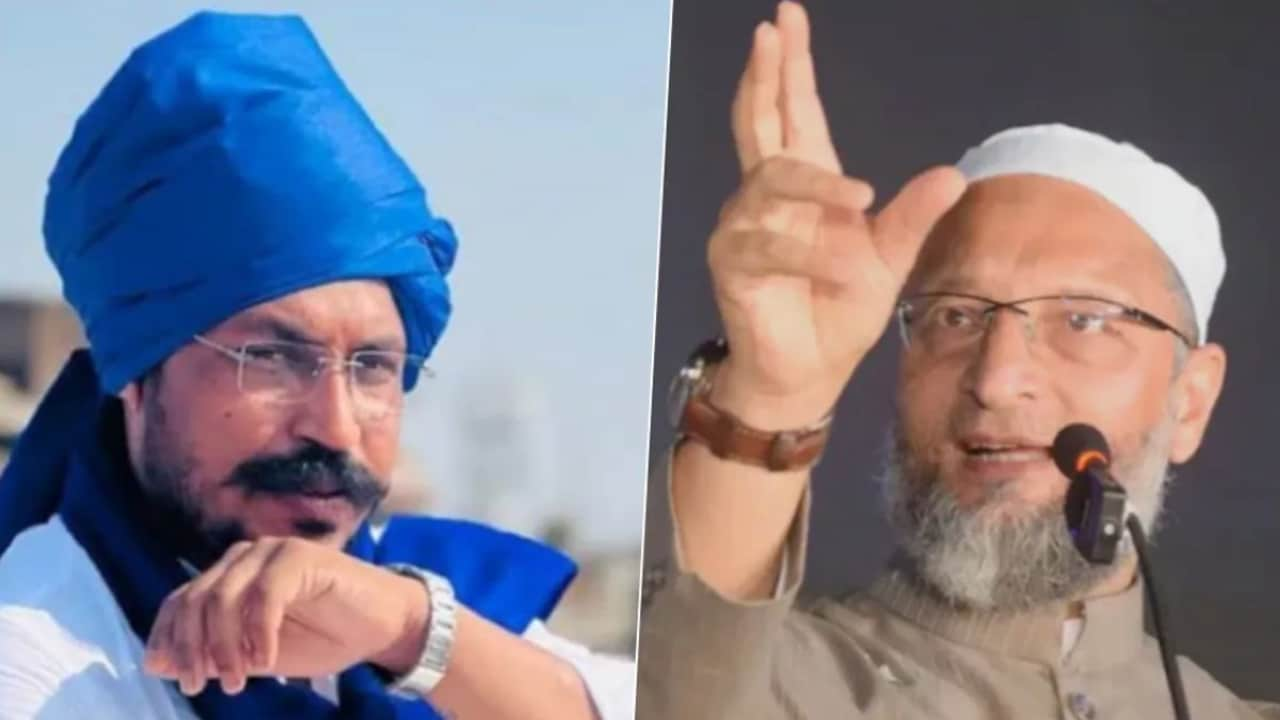
With Asaduddin Owaisi and Chandrashekhar Azad joining hands ahead of the Uttar Pradesh Assembly elections, an attempt is underway to project a third political force in what is arguably the most crucial electoral battle in the country.
The Hyderabad MP on Thursday formally announced the tie-up with Nagina MP's Azad Samaj's Party (ASP) in Lucknow and also declared Azad as the CM face of the alliance.
With Owaisi by his side, Azad made health, education and jobs as the big pitch for the alliance agenda. He promised free education upto class 12, better hospitals and jobs for the youth as the alliance's priority areas at the joint press meet with AIMIM chief..
While the Samajwadi Party-led Opposition is seeking to dislodge the BJP government, which has been in power for a decade, the AIMIM-Azad Samaj Party alliance is looking to chip away at a section of the Muslim and Dalit vote. This could potentially disrupt the Opposition's electoral arithmetic, which also depends heavily on the support of these two voter blocs.
Muslims account for around 20% of Uttar Pradesh's population, while Dalits constitute approximately 21%.
Read | BJP Finalises 209 Names For UP Elections 2027, Yogi Adityanath's Nod Secured: Report
Owaisi had, for months, sought space in the Opposition alliance, even issuing ultimatums to the SP and the Congress. However, his overtures failed to find takers.
The Samajwadi Party and the Congress, which are currently engaged in seat-sharing negotiations, have given Owaisi's overtures a cold shoulder and have also played down the significance of the AIMIM-Azad Samaj Party alliance.
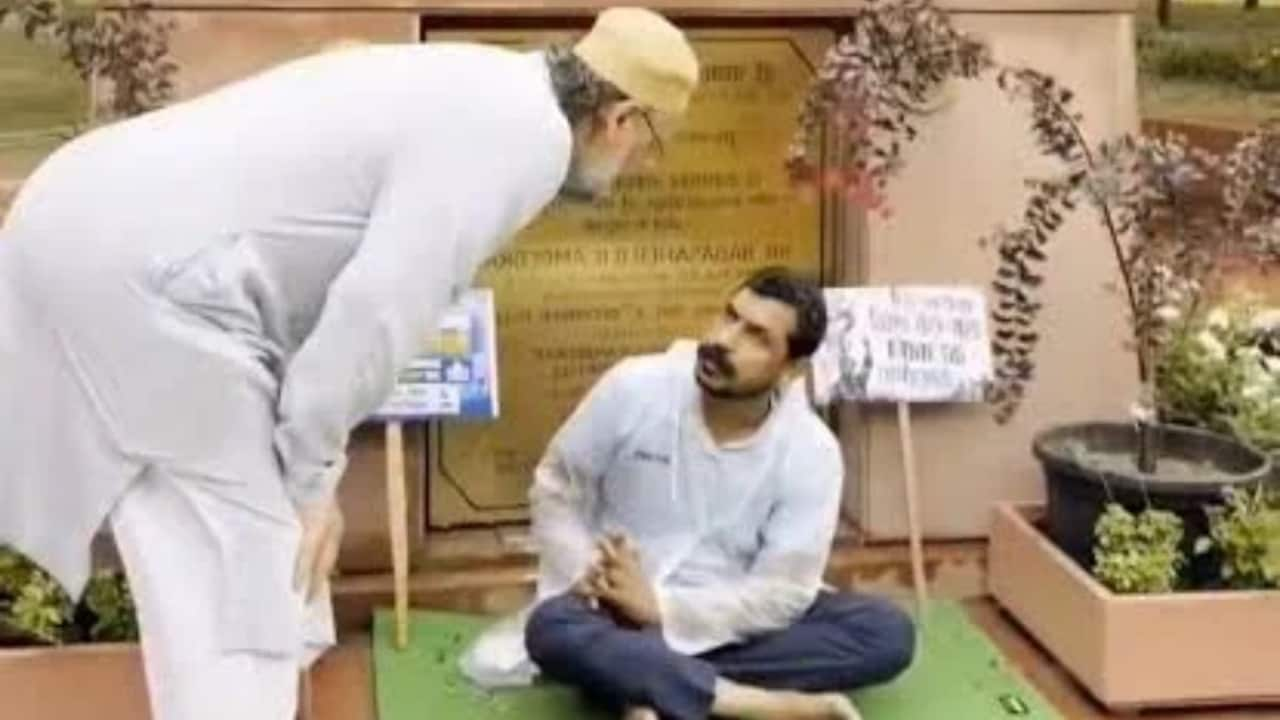
SP MP from Ayodhya, Awadhesh Prasad, dismissed the alliance's electoral significance.
"...There is no real significance to it (alliance). The people of Uttar Pradesh have lost faith in the BJP government. In my view, Akhilesh Yadav is the only leader capable of removing the BJP from power in 2027. It is a democracy, and anyone is free to contest elections independently or form alliances," he said.
Congress MP Imran Masood, too, said political parties were free to enter into alliances and that his party would decide its own course.
"In a democracy, everyone is free to form alliances. They can do what they want; we'll decide our own course. In politics, these things don't matter much at this stage. Everything is taken into consideration," he said.
The BJP, meanwhile, dismissed the Owaisi-Azad alliance as lacking an agenda and expressed confidence that it would benefit the party in the Uttar Pradesh elections.
Read | Ahead Of Talks With Samajwadi Party, Congress Sets House In Order In UP
Who Will The New Tie-up Hurt Or Benefit?
An analysis of the 2022 Assembly election results shows that there were 58 constituencies in Uttar Pradesh where BJP candidates finished second and lost the election.
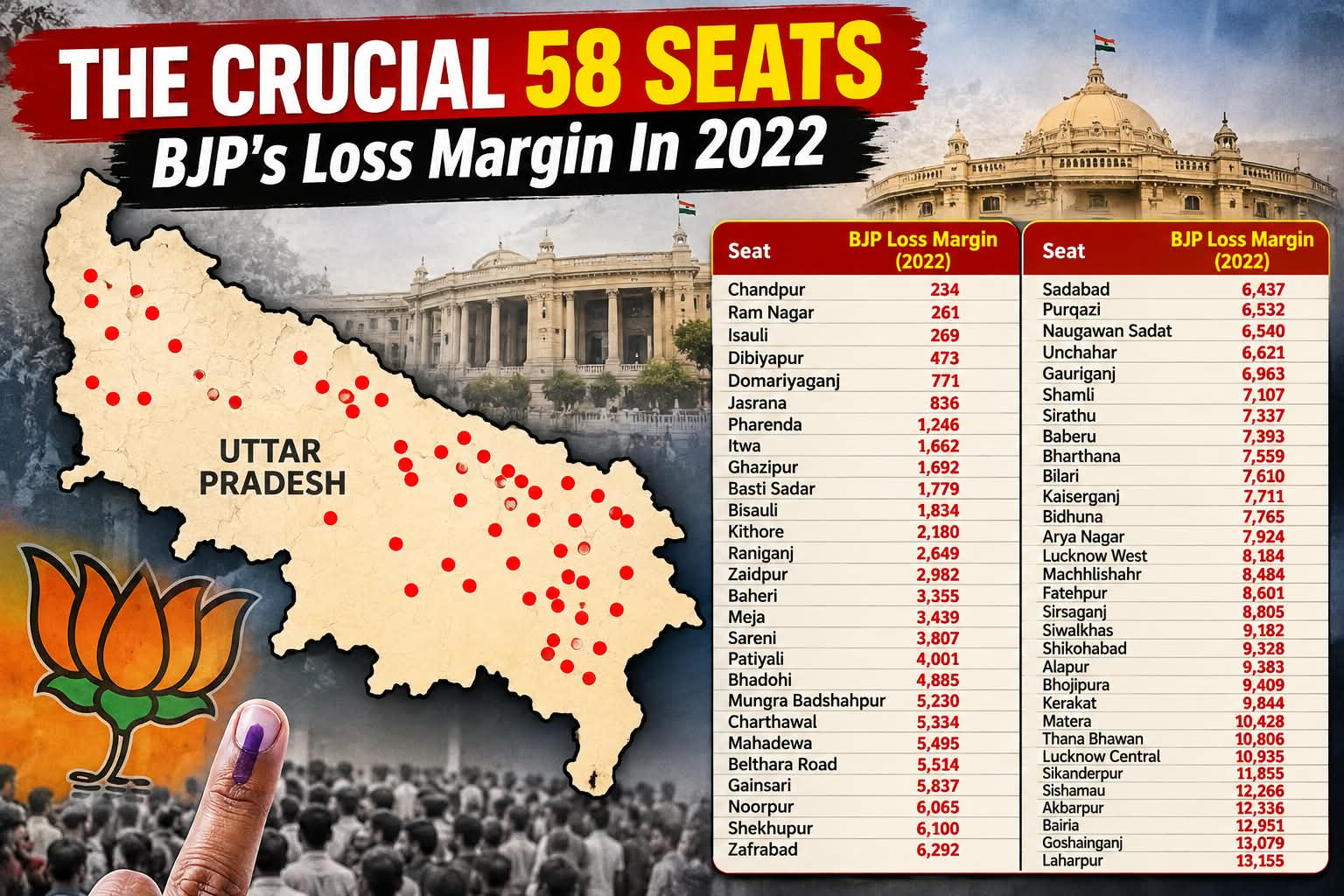
In several of these constituencies, the votes of Muslims, Dalits and backward communities played a decisive role.
The list includes Sirathu, where Deputy Chief Minister Keshav Prasad Maurya was defeated by Pallavi Patel by a margin of 7,337 votes.
In the Itawa Assembly constituency, represented by Samajwadi Party leader and Leader of the Opposition Mata Prasad Pandey, the BJP candidate lost by just 1,662 votes.
In constituencies such as Chandpur, Ramnagar, Isauli, Dibiyapur and Dumariyaganj, BJP candidates lost by narrow margins ranging from 234 to 771 votes.
These 58 constituencies could become crucial battlegrounds where a potential Owaisi-Chandrashekhar alliance may have a direct impact.
If candidates fielded by the third front manage to secure 5,000 or more votes in these constituencies, they could potentially alter the electoral outcome. Even if these candidates fail to win and forfeit their security deposits, the votes they garner could prove crucial in determining the margin between victory and defeat.
This makes the proposed third front a potentially significant factor in Uttar Pradesh's electoral calculations in 2027.
2027 Is Different From 2022
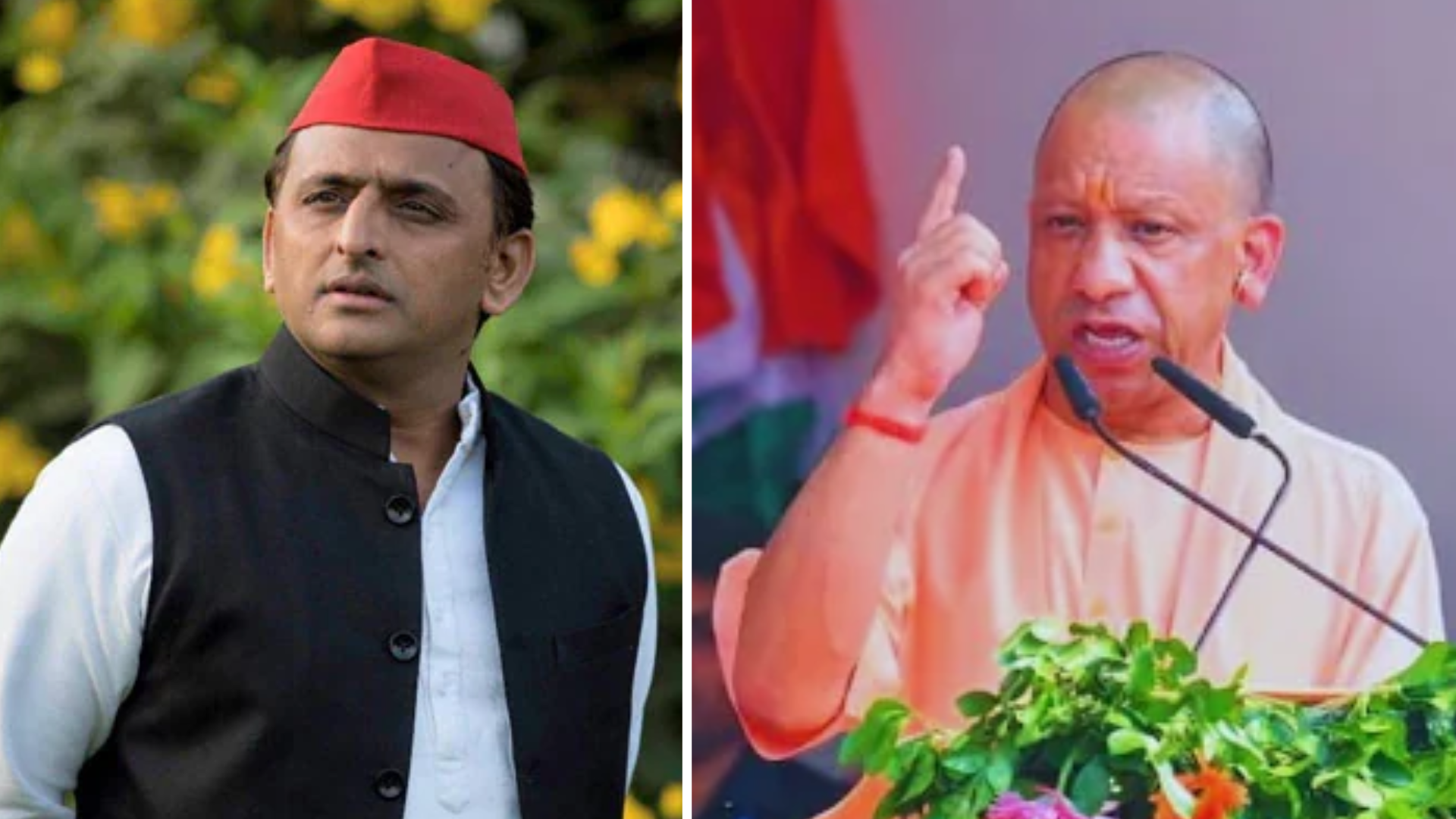
The political landscape during the 2022 Assembly elections was markedly different. At the time, Jayant Chaudhary's Rashtriya Lok Dal (RLD) and Om Prakash Rajbhar's Suheldev Bharatiya Samaj Party (SBSP) were part of the Samajwadi Party-led alliance.
Both parties are now aligned with the BJP.
In western Uttar Pradesh, Jayant Chaudhary's party has a significant support base, while Om Prakash Rajbhar's SBSP wields influence among the Rajbhar community.
Therefore, any assessment based on the 2022 election results must factor in the changing political alliances and the realignment of caste-based voter blocs.
Against this backdrop, the 58 constituencies where BJP candidates finished second in 2022 assume particular significance. The presence of a third front in these seats could potentially reshape the electoral equations in the 2027 Assembly elections.