Will Budget contain inflation damage?
Rising inflationary concerns are slowly turning into an unavoidable nightmare for the UPA government which has over the past few months has taken all possible measures to improve the situation. The recent spike in onion, tomato, garlic and many other commodities have just added to the government worries and for consumers they have hit them like a ton of bricks. Surging inflation, if unchecked, threatens to undermine the global recovery because it would curb growth in those regions, which have driven the global rebound. With the government under pressure to curb inflation, particularly soaring food prices, the Reserve Bank of India has already hiked interest rates seven times in under a year. Finance Minister Pranab Mukherjee will be watched keenly in his budget presentation to see how he plans to contain inflation and the fiscal deficit while keeping up the pace of growth.
-
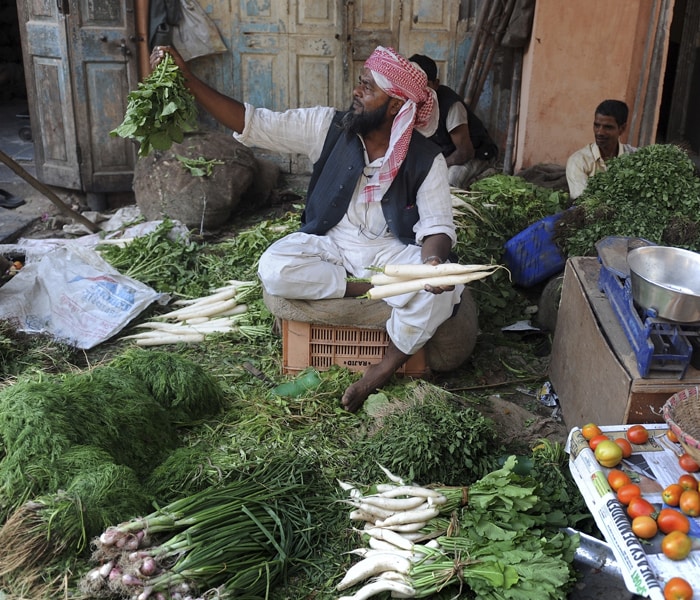
Rising inflationary concerns are slowly turning into an unavoidable nightmare for the UPA government which over the past few months has taken all possible measures to improve the situation. The recent spike in onion, tomato, garlic and many other commodities have just added to the government worries and for consumers they have hit them like a ton of bricks.
Led by a smart recovery in farm output, the government estimates economic growth for the current financial year at 8.6 per cent, as against 8 per cent a year ago. However, the economy faces headwinds in form of stubbornly high inflation rate, which analysts see a serious threat to the country's growth momentum. To check demand-side pressure, the Reserve Bank of India has raised its key policy rates seven times in the past one year. Now, Finance Minister Pranab Mukherjee will be watched keenly in his budget presentation to see how he plans to contain inflation and the fiscal deficit while keeping up the pace of growth. (Photo: Associated Press) -
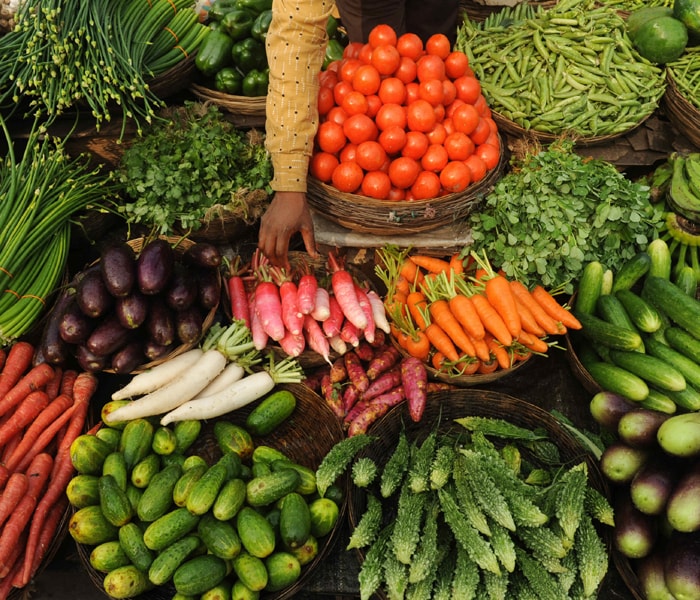
The uptick in latest food inflation figure is likely to put further pressure on the government to provide relief to the common man in the coming budget. The year-on-year inflation in food articles rose to 17.05 per cent for the week ended January 22 from 15.57 per cent in the previous week as prices of vegetables, fruits, milk and protein-based items continued to soar. (Photo: Associated Press)
-
Among vegetables, onion prices on annual basis rose by 130.41 per cent in the third week of January, although they have moderated considerably in the recent days. Vegetables as a whole became dearer by 77.05 per cent on an annual basis followed by fruits (15.47 per cent), egg, meat and fish (15.05 per cent), milk (11.41 per cent) and potato (6.22 per cent).
-
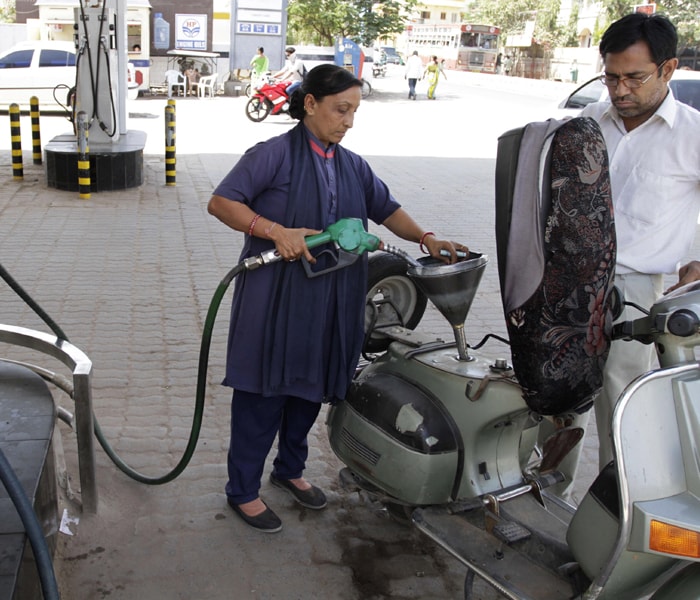
The rise in the prices of food articles and other commodities also comes from inflation in the ‘Fuel and power' segment, which witnessed a 11.61 per cent year-on-year increase owing to the hike in petrol prices by Rs 2.50 a litre in January. Finance Minister Pranab Mukherjee, recently told media: "There was no way we can completely insulate ourselves from the adverse impact of rising fuel price, especially diesel."
-
Planning commission deputy chairman Montek Singh Ahluwalia hopes that inflation will come down to 7 per cent by March. He is betting big on the arrival of new crop in the market. "Inflation is a serious problem and the Centre is taking steps. We believe that by March it will come down," he said. "Modernization of agricultural marketing is extremely important. The present system of intermediation in agriculture is inefficient and expensive. In long-term we have to find ways to moderate the rise in food prices."
-
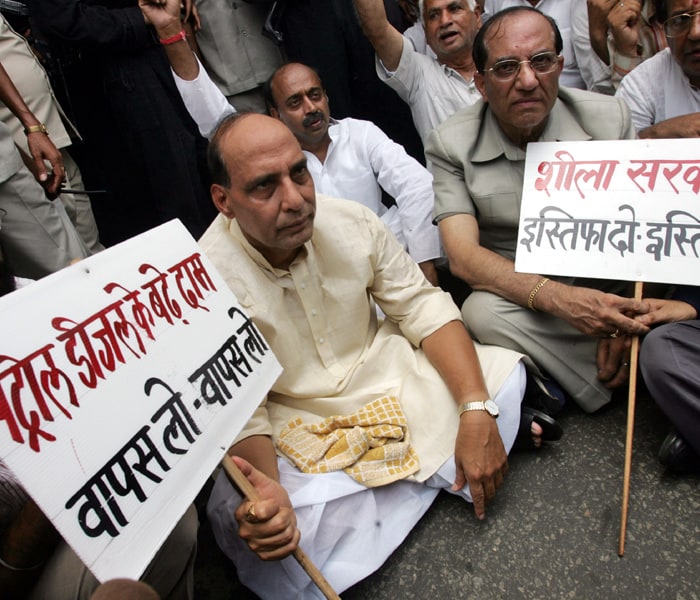
Inflation is a burning issue and the Opposition has led a full frontal attack on the government. The country's main opposition party, the Bharatiya Janata Party (BJP) was at its aggressive best on the issue of price rise. The party took the fight to the streets and held country-wide protests against the Union Government against hike in prices of petroleum products and rising inflation. The BJP has attributed the steep price rise on the flawed policies of the government.
-
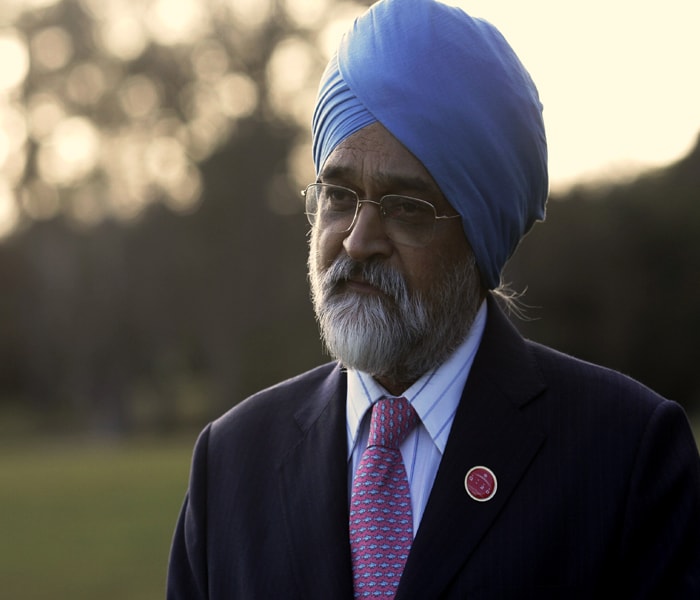
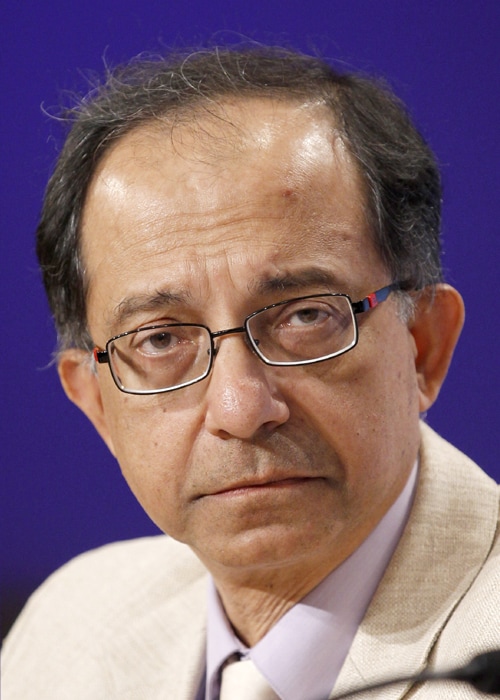
The Chief Economic Adviser to the Union Finance Ministry, Dr Kaushik Basu, is optimistic that a downward trend in food price inflation would be evident over the next couple of months. According to him, in the coming period inflation will not disrupt the growth process. The government has constituted an Inter-Ministerial Group, under the chairmanship of Kaushik Basu, to read warning signals and prevent future price spikes. (Photo: Associated Press)
-
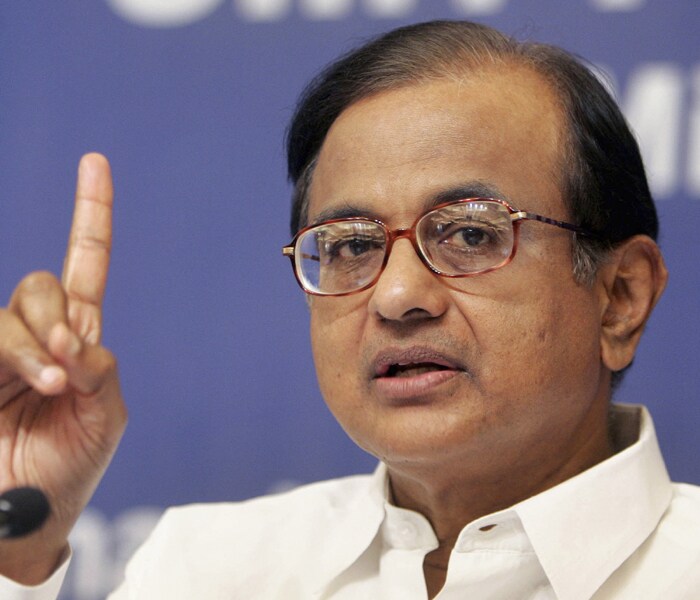
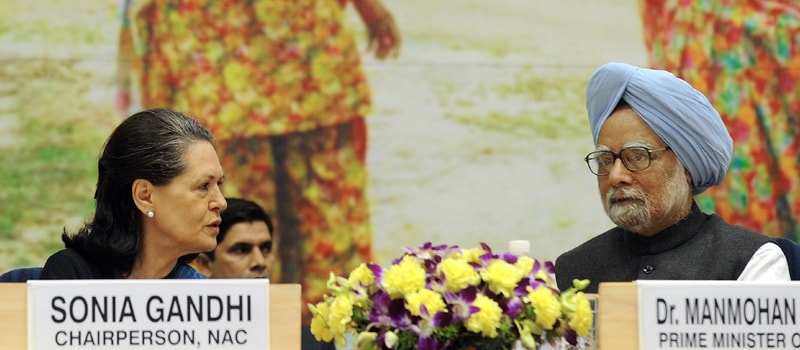
The scenario is grim on the inflation front – despite the UPA government having two world renowned economists – PM Manmohan Singh and Home Minister P Chidambaram on the same side of the fence. The Prime Minister feels the much of the responsibility for checking price rise lay with the States and sees a strong case for waiving mandi taxes, octroi and local taxes, which impede the smooth movement of essential commodities. He feels a lasting solution to inflation lay in increasing agricultural productivity and production not only of cereals but also of pulses, oilseeds, vegetables and fruits and augmenting the supply of milk and milk products, poultry, meat and fish.
-
Inflation continues to be the Reserve Bank of India's main concern. The RBI has maintained a hawkish stance on inflation due to the upside risk emanating from the spillover of food inflation and rising commodity prices. With the latest round of rate hike in January 25, the RBI has increased the policy rates seven times to anchor inflationary expectation and check the rate of price rise, since March 2010. “The role of monetary policy in the current inflationary environment is confined to containment and prevention of food and energy prices from spilling over into generalized inflation and anchoring inflation expectations,” it said.
-
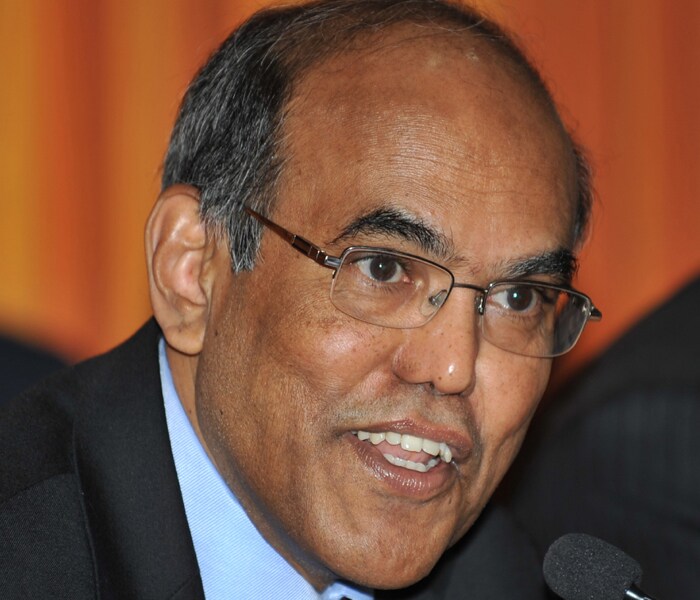
According to the RBI Governor, Dr D. Subbarao, the central bank's stance is and will continue to be anti-inflationary, even as it strives to strike a balance between growth and inflation. He has admitted that monetary policy is not an ‘effective' response to combat supply side inflation, and stressed that if inflationary pressures left to persist, would lead to hardening of inflation expectation.
-
All eyes are now on Finance Minister Pranab Mukherjee who will be watched keenly in his budget presentation to see how he plans to contain inflation and the fiscal deficit while keeping up the pace of growth. Analysts say to compensate for inflation, the finance minister may announce relief in income-tax, especially for lower income brackets.