Despite a weight reduction, many users discontinue treatment due to side effects
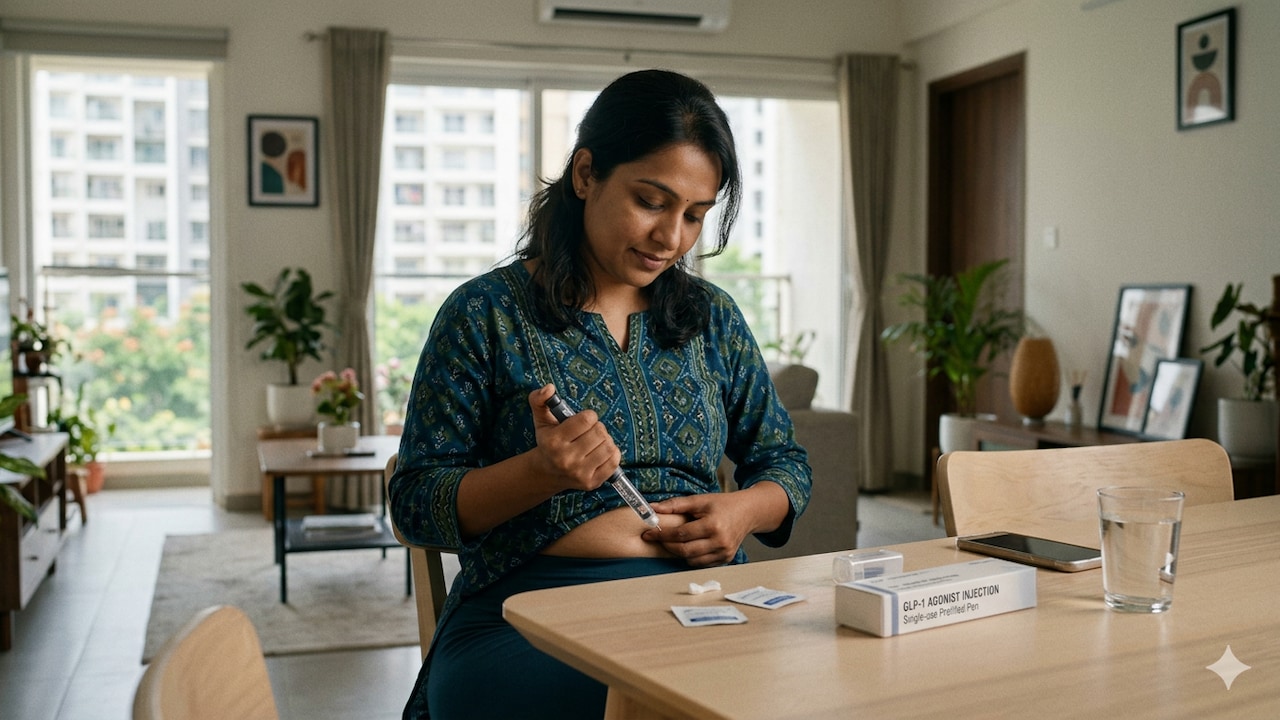
AI-Generated Image- Popular weight loss drugs like Ozempic and Wegovy are now widely used in India for obesity treatment
- These drugs mimic GLP-1 hormone to suppress appetite and support diabetes and obesity management
- Side effects include gastrointestinal issues, rare severe risks, and potential thyroid tumour warnings
Popular weight loss drugs, originally developed for treating diabetes, have now become a first-line treatment for obesity and weight management. In India, the weight loss drug market has experienced an unprecedented explosion. This massive boom is driven by a combination of a rising metabolic health crisis, the entry of global blockbuster drugs, and a massive wave of local generic production. For the unversed, common weight loss drugs like Ozempic, Mounjaro, and Wegovy are prescription medications that work by suppressing appetite, reducing fat absorption, or increasing feelings of fullness. These drugs simulate the GLP-1 hormone, which tells the brain you are full, slows stomach emptying, and signals the pancreas to release insulin when blood sugar is high. This dual action supports both type-2 diabetes and obesity management. If you are planning to use weight loss drugs, here are a few things you must consider first.
Things to consider before using weight loss drugs
Choosing to use weight-loss medications is a significant medical decision, not a casual lifestyle choice. While drugs like GLP-1 receptor agonists are highly effective, they require careful evaluation before use.
1. Side effects and risks
Weight loss drugs can come with side effects. Understanding these can help in making an informed choice:
- Gastrointestinal issues: Mild to severe nausea, vomiting, diarrhea, constipation, and stomach pain are incredibly common, especially when starting or increasing doses
- Severe risks: Though rare, these medications carry risks of pancreatitis, gallbladder disease, kidney issues, and low blood sugar.
- Serious warnings: Certain drugs carry warnings regarding a risk of thyroid C-cell tumours based on animal studies, making them unsafe for people with a personal or family history of medullary thyroid carcinoma.
2. Patient drop-off
Despite a weight reduction, many users discontinue treatment due to side effects. Some patients also hit a weight-loss plateau or do not see the rapid results advertised on social media, leading to discontinuation.
3. Long-term commitment
Obesity is a chronic condition, and these medications are designed for long-term use. Clinical studies show that most patients regain a significant portion of their lost weight once they stop taking the medication. Your appetite may return after you stop taking the drug. This is because the underlying behaviours around diet and exercise may not have changed. Additionally, the biological signals that suppress appetite and slow digestion disappear.
4. You still need lifestyle modifications
The drugs work with lifestyle changes, not instead of them. While GLP-1 drugs can be effective for weight loss, they are not necessarily a permanent solution. You must still commit to a calorie-deficit diet and regular exercise for sustainable results.
5. Consult your doctor
Always speak with a doctor or a healthcare provider before starting any medication to ensure it's appropriate for your individual health needs and conditions.
6. Individual health profile
Weight loss drugs may interact with other medications or may not be suitable for individuals with certain health conditions, so personal medical history should always be a consideration.
7. You might begin to dislike your favorite food
GLP-1 medications don't just change your stomach, they alter dopamine pathways in your brain to suppress cravings. This can lead to disinterest in foods you used to enjoy earlier.
Using weight loss drugs is a personal decision that should be made based on informed discussions with healthcare providers and thorough research into the options available. In summary, while GLP-1 drugs can significantly aid in weight loss, maintaining that weight loss requires an ongoing commitment to healthy lifestyle changes and personal accountability.
\r\n
\r\n
Disclaimer: This content including advice provides generic information only. It is in no way a substitute for a qualified medical opinion. Always consult a specialist or your own doctor for more information. NDTV does not claim responsibility for this information.