



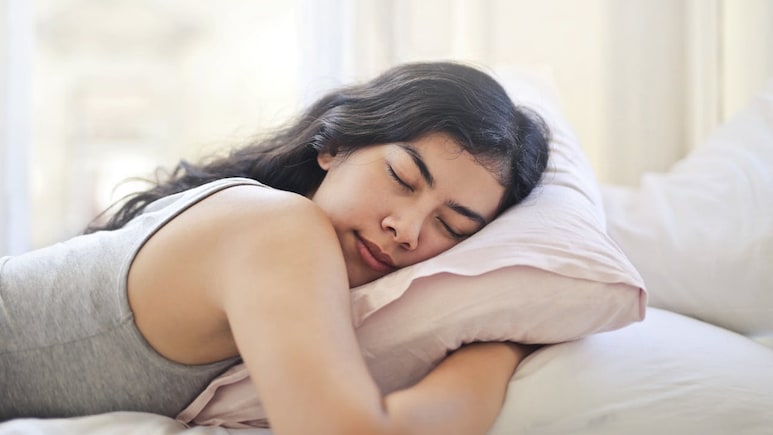
Poor sleep doesn't only extend to you feeling groggy. Over time, getting less than the recommended seven hours of sleep most nights quietly chips away at physical and mental health, increasing risk for metabolic trouble, heart disease, weakened immunity, mood disorders and even early death. Sleep is a biological reset: it clears metabolic waste from the brain, balances hormones that control appetite and blood sugar, calms inflammation and helps immune memory after vaccination. When the reset is shortened every night, those systems begin to misfire and the effects add up. Keep reading as we share how exactly does less than 7 hours of sleep affects your health.
9 ways sleeping under 7 hours worsens your health
1. Raises your risk of heart disease and stroke
Short sleep is linked with higher blood pressure, worse blood-vessel function, and increased risk of heart attacks and stroke. Even modest nightly shortfall, repeated over months and years, pushes up the chance of cardiovascular events because sleep loss activates stress pathways and inflammation. Treat sleep as a long-term heart-health behaviour, like diet and exercise.
2. Worsens blood-sugar control and increases diabetes risk
Less sleep alters how your body handles glucose and insulin. After poor sleep you become temporarily more insulin resistant, which over years raises the risk of type 2 diabetes. Studies show consistent short sleepers have higher rates of impaired glucose tolerance and diabetes.
3. Contributes to weight gain and appetite changes
Two hormones: ghrelin (which manages hunger) and leptin (that indicates fullness) get thrown off by sleep loss. You feel hungrier, crave calorie-dense food, and eat more late at night. Combined with pointing to impaired glucose metabolism, this makes weight gain much more likely. Short sleep also lowers motivation for physical activity, adding to the calorie imbalance.
4. Weakens immune defence and vaccine response
Sleep helps form immune memory. Sleeping less around the time of vaccination reduces antibody responses, and chronic sleep loss shifts immune cells toward a pro-inflammatory profile. Practically, that means you're more likely to catch infections and your body may respond less strongly to vaccines. So if you're getting immunised, prioritise good sleep before and after.
5. Keeps your body in a state of chronic inflammation
Short sleep increases circulating inflammatory markers that are linked to many chronic diseases from atherosclerosis to arthritis and even some cancers. Low-grade, ongoing inflammation is a key pathway by which poor sleep creates long-term damage.
6. Worsens mental health
Sleep and mood are tightly connected. Lack of sleep impairs emotional regulation: small stresses feel bigger, negative thoughts become more persistent, and recovery from bad moods is slower. Over time, poor sleep is both a risk factor for and a maintainer of clinical depression and anxiety. Treat sleep problems early when mood issues begin.
7. Reduces cognitive function, attention and memory
Short nights impair concentration, decision-making and the ability to form new memories. For students and professionals alike, regular sleep loss means poorer performance, more errors and slower learning, an everyday cost that adds up far beyond “feeling sleepy.”
8. Hurts recovery and performance
Sleep is when muscles repair, growth hormone is released and tissues regenerate. Short sleep slows recovery after workouts, reduces endurance and can delay healing after injury or surgery. Athletes and active adults should treat sleep as part of training.
9. Associated with higher overall mortality in long-term studies
Large studies report that chronically sleeping less than seven hours is associated with increased all-cause mortality especially when combined with other risks like sleep-disordered breathing or irregular sleep patterns. This doesn't mean every short night kills but over years the pattern links to shorter lifespan on the population level.
If you regularly sleep less than seven hours most nights, try small, sustainable changes. If you still struggle or snore loudly, wake gasping, or experience daytime sleepiness, talk to a clinician today.
Disclaimer: This content including advice provides generic information only. It is in no way a substitute for a qualified medical opinion. Always consult a specialist or your doctor for more information. NDTV does not claim responsibility for this information.
References
FastStats: Sleep in Adults — Centers for Disease Control and Prevention (CDC) — 2024.
What Are Sleep Deprivation and Deficiency? — National Heart, Lung, and Blood Institute (NHLBI/NIH) — 2022.
Sleep is Essential for Cardiovascular Health: An Analytic Review — Journal review hosted on NCBI/NIH — 2023.
Sleep and immune function — NCBI/NIH (review article) — 2011.
Role of sleep deprivation in immune-related disease risk and inflammation — NCBI/NIH (review) — 2021.
Track Latest News Live on NDTV.com and get news updates from India and around the world

