1983: Beginning of a new era
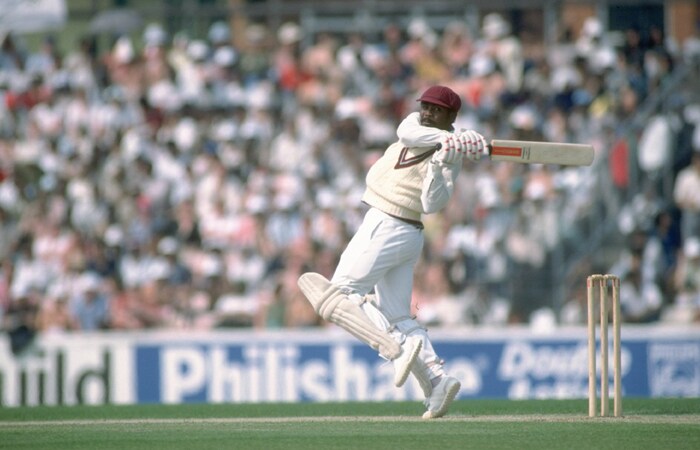
West Indies were clear favourites without even a ball being bowled, but destiny had written itself in a manner that changed the sport forever.
-
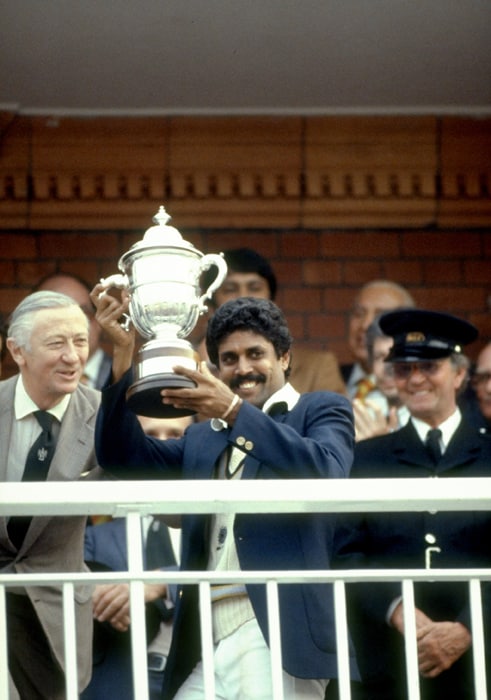
India won the Cricket World Cup in 1983 for the very first time. Though the feat was repeated this year by MS Dhoni & Co., nothing can match the euphoria of 1983. On the 28th anniversary of that glorious win, we relive the moments...
The 1983 edition of the World Cup saw the African challenge return with the inclusion of Zimbabwe for the first time. The other seven teams remained the same but there was a change in the format. The two-group division set-up remained, but this time each team had to play each other twice.
As was the case with the 1979 World Cup, The West Indies started as the overwhelming favourites with England and Australia posing considerable threat. But the real threat was realized during the group stage when Australia and West Indies were beaten by Zimbabwe and India respectively.
At the end of the group stage, England and West Indies topped their groups registering five wins each out of the six matches they had played. As they were drawn in separate semi final matches, a repeat of the 1979 World Cup Final looked highly likely, but destiny had written itself in a manner that changed the sport forever. (Photo: Getty Images) -
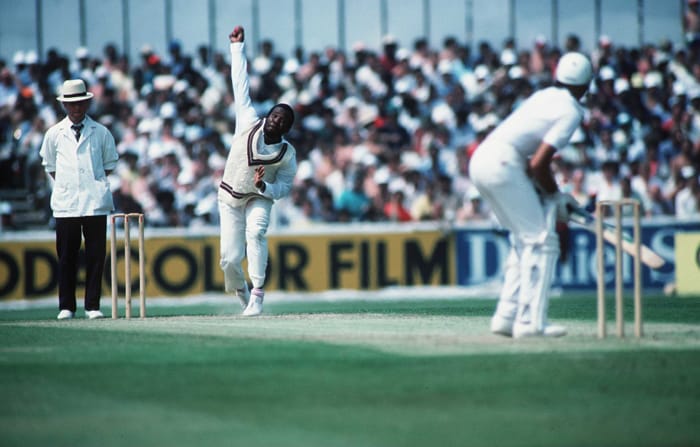
The Indian victory over West Indies in their first match of the group stage was believed to be a one-of-a-kind win. As the group stage progressed, the Indian challenge seemed to have faded away as they had slumped to consecutive defeats against Australia and West Indies. (Photo: Getty Images)
-
Australia would never have thought that there final group match against India would be so crucial. A seven-wicket thrashing at the hands of the mighty West Indies and India's remarkable victory against Zimbabwe had turned the match into a virtual quarter final.
India won the toss and chose to bat and never really got going. They kept losing wickets at regular intervals but useful contributions in the middle and lower orders meant that nine of India's eleven batsmen entered the double figures. Assisted by fifteen no-balls and nine wides, India reached a score of 247 before being all out in 55.5 overs.
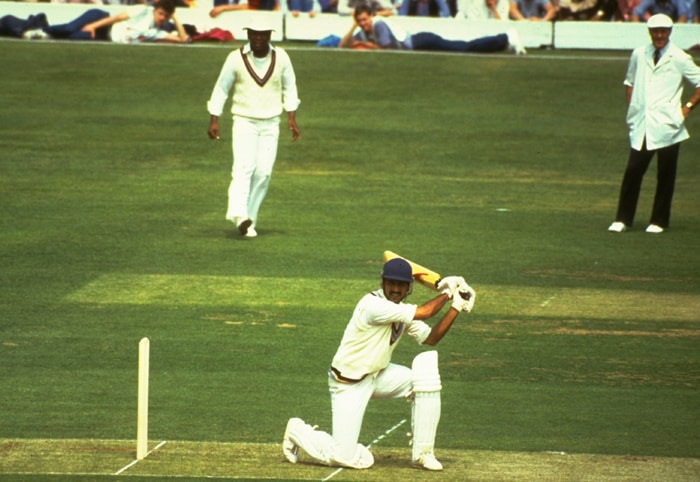
The Australian reply suffered an immediate setback when they lost Trevor Chappel early. After a partnership of 43 runs from Graeme Wood and Graham Yallop, Indian medium pacers came to the party as they picked up eight wickets between them to hand India a 118-run win and their first semi final spot. (Photo: Getty Images) -
With two comprehensive defeats at the back of their mind, the Indian team knew that they could not afford another defeat to realistically have any chance of progressing to the semi final stage.
Their hopes were further dampened by a top and middle order failure in front of minnows Zimbabwe, who picked up five wickets to leave India at 17/5. But skipper Kapil Dev played a truly captain's knock, scoring 175 runs off 138 deliveries to deny the Zimbabweans their second win in the tournament. India ended up scoring 266 of their 60 overs, a target that put Zimbabwe out of contention. -
The West Indies on the other hand registered convincing victories after their slump against India. They entered the semi final with five wins on the trot to face a Pakistan side, which had managed to scrape past the New Zealand challenge.
In the semi final the mighty pace attack of the West Indies knocked the sorts out of the Pakistan batting dismissing them for 184 which never proved challenging against an in-form West Indian batting line up. (Photo: Getty Images) -
The 1983 World Cup Final, like its previous two editions was played at the Lord's Cricket Ground. The last time India had played a World Cup match at the ground dated back to 1975 when they had lost to England by a massive margin of 202 runs.
West Indies had always fielded when they had won the toss except once, that match was their second match against India, which they had won. But this time they decided to put India into bat. (Photo: Getty Images) -
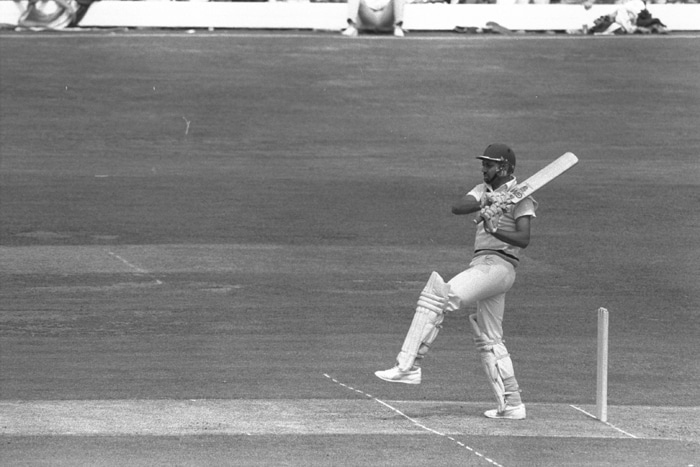
The West Indies bowlers were fast and aggressive, qualities which persisted throughout the innings. Srikkant showed some intent; getting eight balls past the boundary including one six which was crucial to the Indian batting which finally succumbed to a total of 183 after some resilience from the tail-enders. (Photo: Getty Images)
-
It wasn't a surprise that West Indies were considered clear favourites considering the fact that West Indian batsmen had put Pakistan bowlers to the sword in the semi final as they chased down a total of 185 with eight wickets and eleven overs to spare.
The unpredictable Balwinder Singh Sandhu bowled Greenidge out as he tried to pad an incoming ball. Some experts still believe that his action was that of an outswinger. The biggest hurdle possibly was Vivian Richards who went all guns blazing at the Indian bowling. -
Madan Lal pleaded for another over to his spell from Kapil Dev. Kapil Dev had to agree and as destiny would have it, Kapil Dev ran back over 30 yeards to take the catch off a shot that even the commentator had written off as a “Nice Shot”.
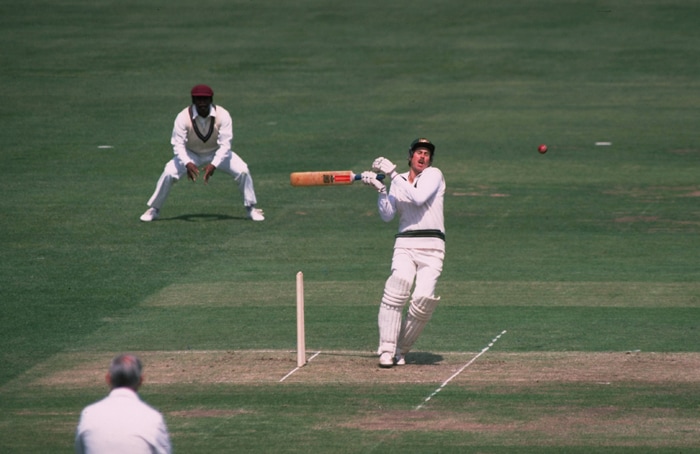
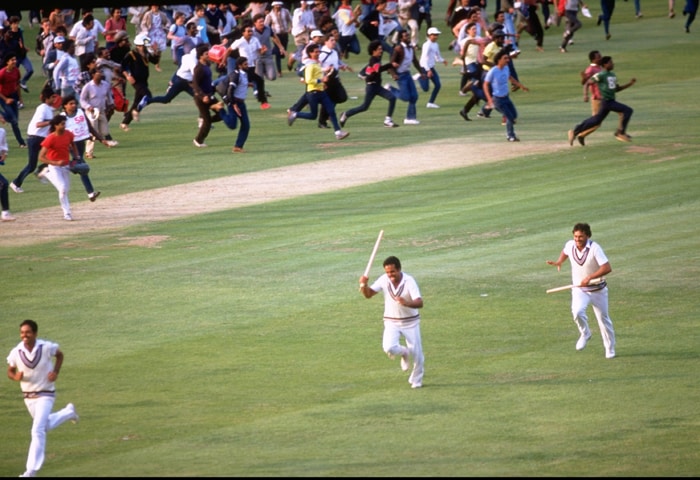
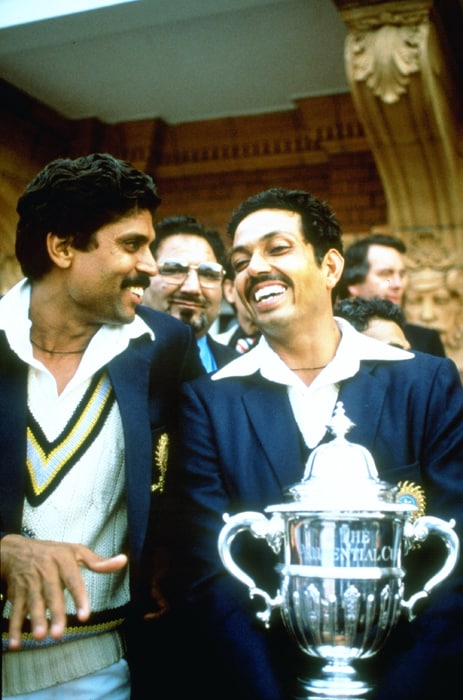
The highly rated West Indian batting was put into disarray, a situation they were not used to be in. The flashy batsmen could not control their tendancy to attack which cost the West Indies some crucial wickets to leave them 43 runs short of the target. Mohinder Amarnath was awarded the ‘Man of the Match' award for his all-round performance. (Photo: Getty Images) -
The win probably mattered more to India than it did to the West Indies, but the win not only ended West Indies run at the World Cup but also started an era which inspired a belief in each and every nation believe in their ability to win the coveted title, a belief that would be reflected in every edition to come. (Photo: Getty Images)