Tips on improving metabolism
Drink 6-8 glasses of water every day. It helps increase your metabolism and remove toxins and extra fat from the body. Eat 4-6 times a day and avoid skipping meals.
-
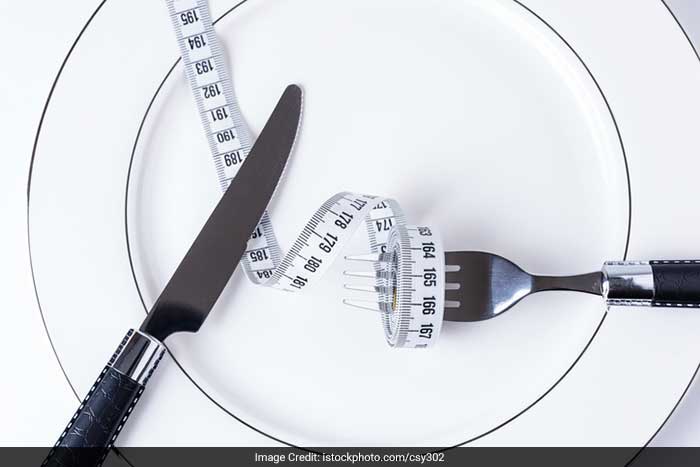
Metabolism is a chemical process in our body, which can be described as the speed of calorie burning or the number of calories we burn every day. Every person has an individual metabolic rate, and that is why some of us can eat a lot and remain slim, and some have to eat less in order to remain in a normal weight.
-
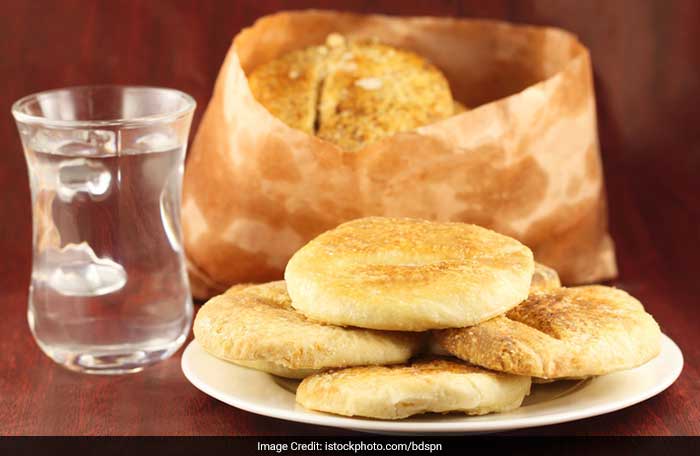
Trans fats are found in biscuits, breads, confectionaries, fast-foods, fried food items, including namkeens, fried sweets, many cakes and pastries, ready to eat meals, fast foods, junk foods, microwave meals and snacks and much of the street, restaurant and hotel food etc. They harm by increasing the cholesterol levels in the blood. They also increase other harmful fats in the blood. They also bring down the "good cholesterol", or HDL cholesterol, in the blood. You will never get the body you desire by eating fast food, frozen dinners etc. If it's man-made, it's not the best choice. So, avoid trans fats as far as possible.
-
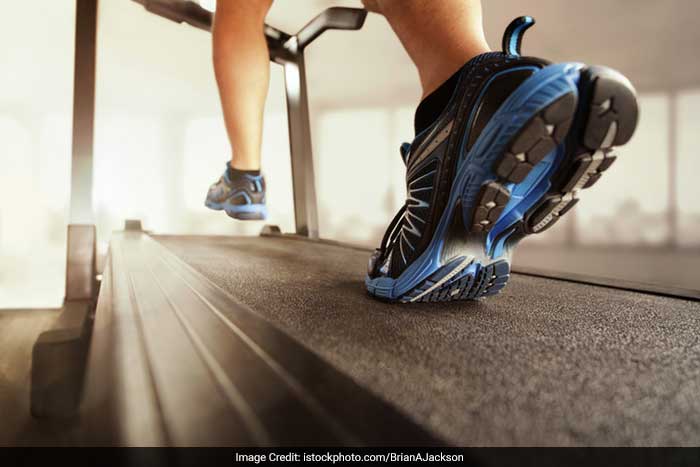
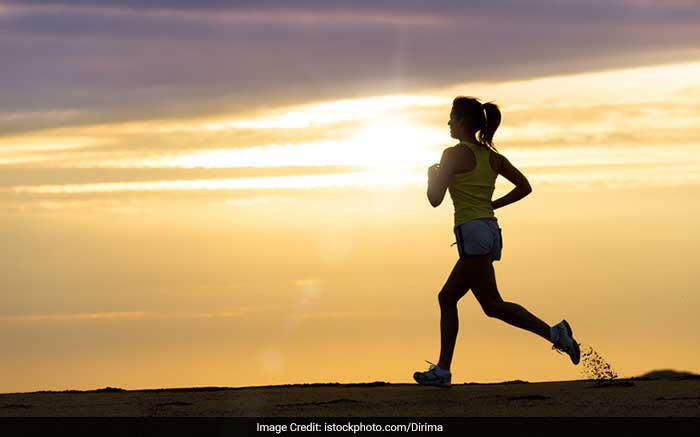
Stay active at least six days a week. Exercise, jog or at least walk 2-3 km daily. Take the stairs whenever possible or park further out to get that little bit of extra movement and keep the heart and lungs working optimally. Studies have shown that little movements such as tapping your toes while working also help burn calories.
-
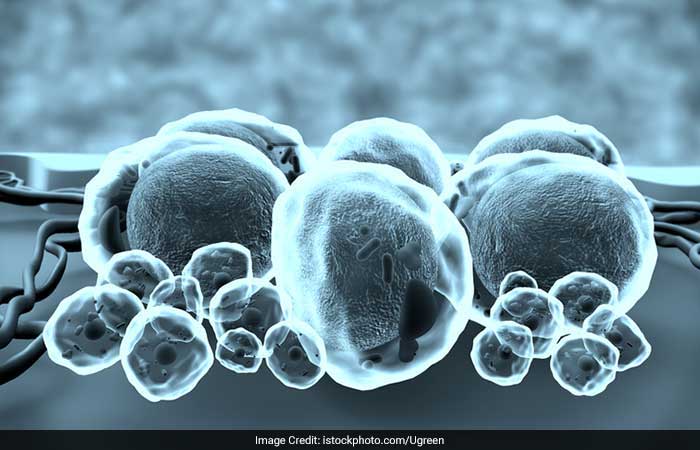
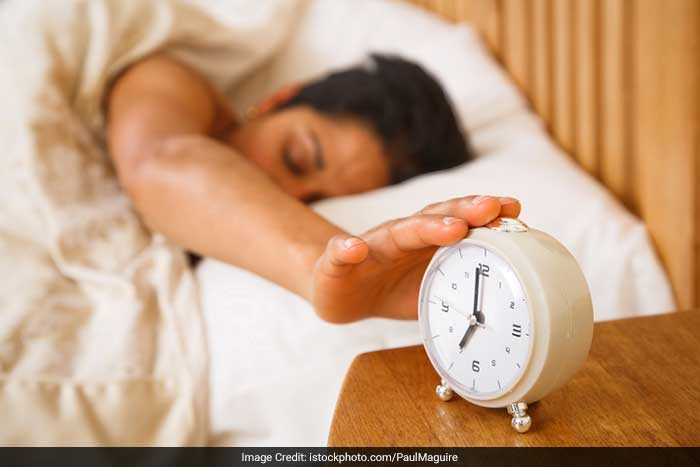
Studies in the past have shown that those who go to bed late and sleep less than the required 6-7 hours tend to be more stressed out and have more visceral fat. Visceral fat, also called intra-abdominal fat, refers to the fat that surrounds the internal organs.
-
Although exercising any time is good for you, evening activity may be particularly beneficial. Many people's metabolism slows down toward the end of the day. Thirty minutes of aerobic activity before dinner increases your metabolic rate and may keep it elevated for other two or three hours.