Risk factors for cervical cancer
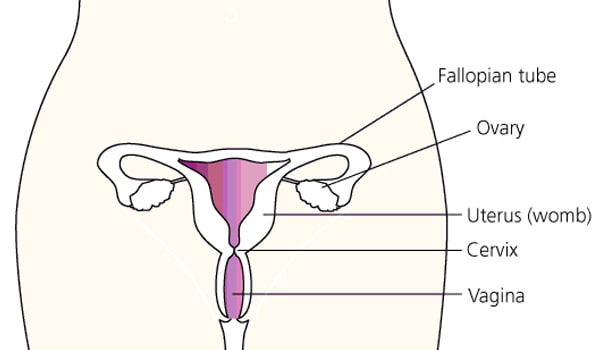
Cervical cancer is a disease caused by the abnormal growth and division of cells that make up the cervix (the portion of the uterus attached to the top of the vagina). Women with multiple sex partners and those who have already been infected with HPV or HIV are at an increased risk of cervical cancer.
-
Cervical cancer is a disease caused by the abnormal growth and division of cells that make up the cervix (the portion of the uterus attached to the top of the vagina). Women with multiple sex partners and those who have already been infected with HPV or HIV are at an increased risk of cervical cancer.
-
Women who have had multiple sexual partners are also at higher risk for cervical cancer. This is because these women are at higher risk of contracting the human papillomavirus (HPV), which cannot be prevented by using condoms or other birth control methods.
-
There is a small increased risk of abnormal Pap smears among women who take birth control pills. It is because such women are more sexually active, are less likely to use condoms, and have more frequent Pap smears in order to be prescribed the birth control pill.
-
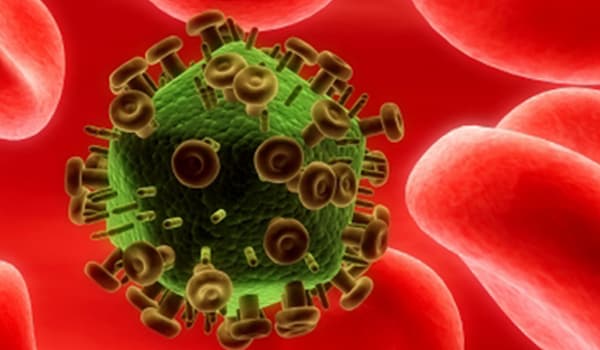
The human immunodeficiency virus (HIV), the virus that causes AIDS, also increases the risk of cervical cancer. This occurs because HIV damages the body's immune system, making it easier for women to contract HPV, a sexually transmitted disease that may increase the risk of cervical cancer.