Budget: What could change for auto, IT, houses
The countdown to Budget 2011 has begun. The coming Budget is going to be a tough exercise for the finance minister Pranab Mukherjee as he tries to achieve a fine balance between the growth and the fiscal deficit. Across the board, the unequivocal demand of Indian corporate is for a continuation of the stimulus measures as they feel the recovery is still fragile. Industry bodies have also mooted for retaining the rates of excise, customs and service tax at the existing level. Here is a compilation of what India Inc wants from the government in the forthcoming Budget.
-
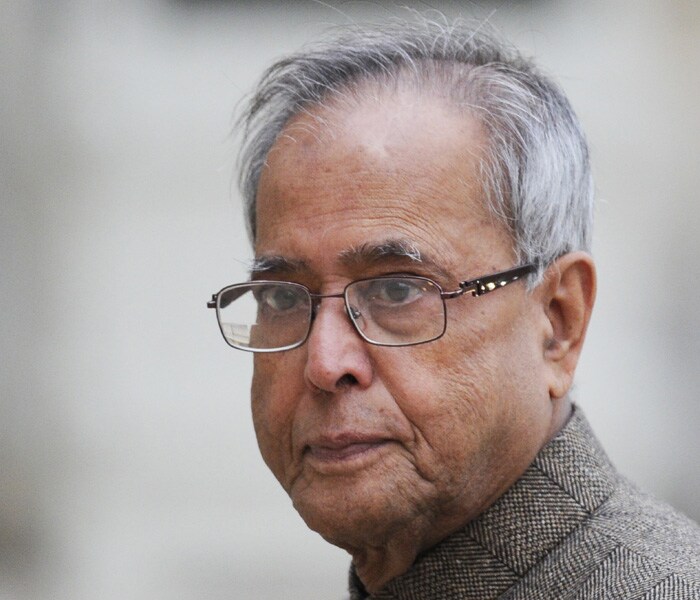
Finance Minister Pranab Mukherjee would be delivering his Budget under a difficult macroeconomic scenario. Rising inflation, fiscal deficit and slowing pace of reforms have put the economic growth in jeopardy. While the finance minister will have to find a way out to put the country's finances back on track, he will also have to try and meet the many expectations of different sectors that constitute the Indian economy.
-
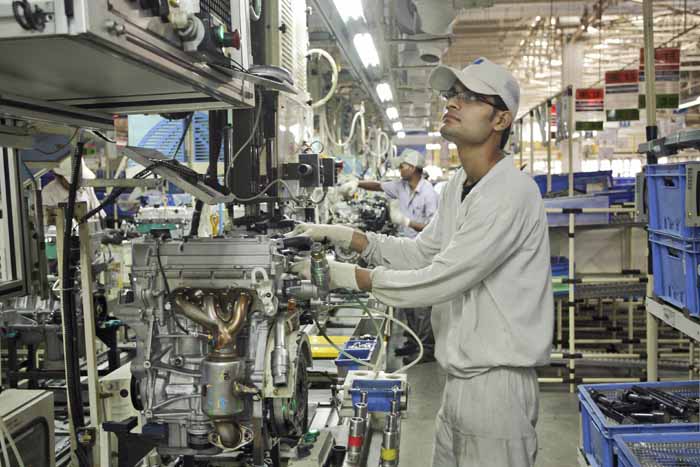
Auto sector:Most automobile manufacturers are facing a supply shortage, either because of their own insufficient capacity or that of their suppliers. Raw material prices have risen by 8-10 per cent. Interest rates have advanced 2-3 per cent and even fuel prices have risen over 10 per cent. The auto component manufacturers have asked the finance minister to set up Rs 7,500 crore technology upgradation and development fund for the next five year period which would give them access to soft loans. They also want import duty on steel and aluminium alloys to be done away with. The auto industry's expectations from the Budget include lower corporate tax rates, lowering of the minimum alternate tax or MAT to 15 per cent and a speedy introduction of the GST.
-
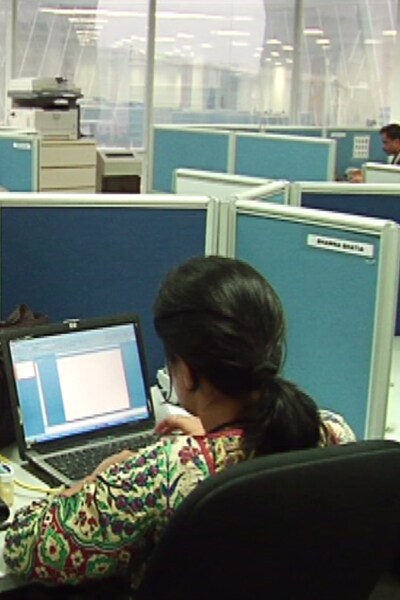
Information and Communications Technology Sector:The IT sector expects the government to extend the Software Technology Parks of India (STPI) scheme benefits in the forthcoming Budget. Under the STPI act, IT companies enjoy tax exemptions on profits under Section 10A and Section 10B of the Income Tax Act. These benefits, which were set to lapse in 2009, were extended till March 2011 in the Budget last year. The IT sector also expects the refunds of service tax paid on inputs for software exports and a lower minimum alternate tax (MAT).
-
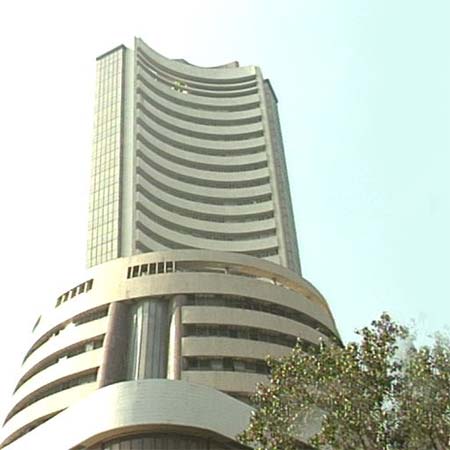
Equity markets:The Indian markets have fallen close to 10 per cent in 2011. A series of scams, high inflation and interest rates and concerns of corporate governance have dented investors' confidence. Most analysts have muted expectations from this Budget. Market experts pitch for clarity in tax on long-term gains under the proposed DTC (direct tax code). Analysts also hope that a clear roadmap for rolling out Goods and Services Tax (GST) would emerge out of this Budget. A mechanism to stop price manipulation in the listing of stocks is also on the wish list of brokers.
-
Infrastructure:Infrastructure projects in India have struggled to secure long-term capital investments. The sector expects infrastructure debt funds making their debut in the Budget. The industry is of the view that the government should make investments in long-term bonds issued by banks tax free.
-
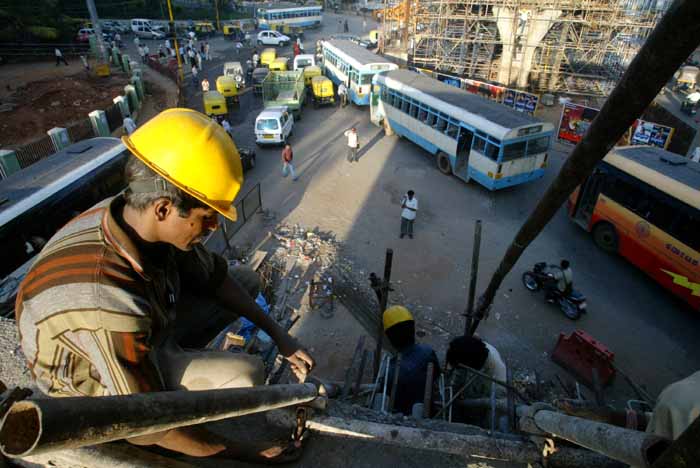
Realty sector:In its Budget proposals, the urban development ministry has sought removal of service tax on rental income from commercial properties arguing that renting of space is not a service. The housing ministry has sought a three year extension in tax exemption under section 80 IB for developers of affordable housing projects. The exemption was granted in 2007 but was withdrawn last year.
-
Industry chamber FICCI:Fearing a slowdown in the industrial growth rate in the next six months, trade body FICCI has urged the Finance Minister not to raise excise duties or roll back stimulus for the sector in the forthcoming budget. Stating the business confidence index had plummeted on concerns of rising raw material costs and food inflation spilling to other sectors of economy, FICCI said, "There should be no further roll back of stimulus measures. Excise rates in particular should not be raised."
The chamber has also urged Mukherjee to provide tax relief to individuals who were facing the brunt of inflation and to move ahead with the implementation of the Goods and Services Tax (GST). -
Banking sector:The biggest demand of the banking sector is tax breaks on longer tenor deposits to help deposit growth. Bankers also expect the government to announce subsidies for no-frills or zero balance accounts. Banks expect the government to come out with a roadmap for takeout financing that will address the issue of infrastructure lending. The banking industry also wants government subsidy or concessions on interest rates provided on lending to State Electricity Boards given their weak financial health. Other demands include raising the limit of refinancing from IIFCL (India Infrastructure Finance Company Limited) to commercial bank loans for Public-Private Partnership projects in critical sectors. Banks also expect recapitalisation of public sector units, which will help strengthen Tier I capital of PSU banks.
-
Insurance sector:The insurance industry expects the government to create a separate tax exemption limit of Rs 50,000 for life insurance premium in the forthcoming Budget to encourage more individuals to buy such policies. Currently investment in saving instruments, like risk cover, pension products, PF contributions, National Savings Certificates and others, are eligible for aggregate deduction of Rs 1 lakh. Besides, investments in infrastructure bonds up to Rs 20,000 also qualify for deduction.
-
Clarity on GST:With consensus still eluding the proposed Goods and Services Tax regime, the industry expects greater clarity on the GST. The proposed GST has been hanging fire, with all the three drafts of GST constitutional amendment bill proposed by the Centre, being opposed mainly by the BJP-ruled states. The government has listed GST Constitution Amendment Bill to be introduced in the forthcoming Budget session. After that it would be referred to the Standing Committee on Finance. GST has already missed the implementation timeline of April 1, 2010 and it is unlikely to be introduced from the coming April 1, the start of the financial year 2011-12.