


-

Girl, 16, Raped By 5 Youths In Haryana's Nuh: Cops
Based on the complaint, an FIR was registered at the Women's Police Station under the POCSO Act.
-
Will Hobnobbing With Trinamool Rebels Cost BJP? What State Leaders Say
Bengal BJP chief Samik Bhattacharya has reaffirmed that the BJP doors are closed for Trinamool leaders after its historic victory in Bengal.
-
"She Said Will Fight, Rebuild": Kirti Azad On Mamata Banerjee's Crisis Plan
Pointing out that Mamata Banerjee had founded the Trinamool and not inherited it, Azad said she fought and struggled to make it successful.
-

Woman, 55, Mauled To Death By Leopard In Uttarakhand, Wild Cat Shot Dead
A 55-year-old woman was killed in a leopard attack in Pauri Garhwal district's Badi village under the Kot block here on Tuesday afternoon, officials said.
-
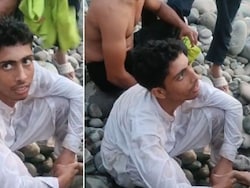
Minor Boy From PoK Detained In J&K's Poonch After He Crossed LoC
During preliminary questioning, Javid Ali told authorities that he had gone to a nearby river to bathe and inadvertently strayed across the Line of Control (LoC).
-
Kakoli Ghosh: Trinamool Founder-Member, Key Mamata Banerjee Aide, Now Rebel
Today she is leading a rebel group of more than two-third Lok Sabha MPs -- her action making it clear that at the end of the day, the decades old association with Mamata Banerjee is not enough to outweigh certain things.
-
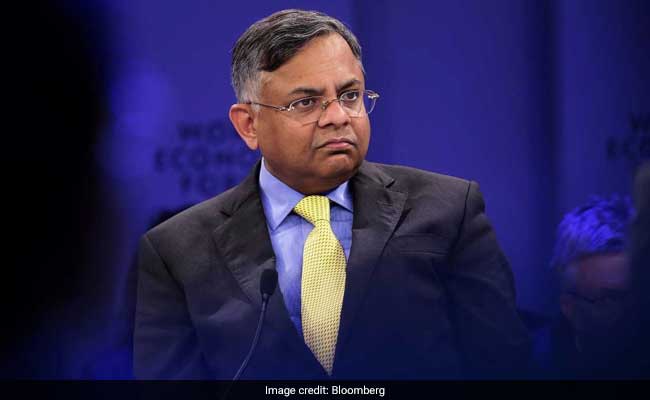
Will "Half A Million AI Agents" Reduce TCS Workforce? What Its Chairman Said
Chandrasekaran, however, said increasing use of AI also meant "more opportunities," which will lead to a spike in need for "new talent."
-

Nearly 80% Delhi-NCR Patients Turn To Google After Doctor Visits: Study
Patients across Delhi-NCR are increasingly struggling to navigate India's healthcare system, often leaving consultations with unanswered questions and turning to internet for guidance, according to a study.
-

"Punishment Will Be Severe": Vijay Unveils Special Women's Safety Force
The Chief Minister announced that more than Rs 354 crore would be allocated for the first phase of the project. Initially, the force will be staffed by redeploying existing police personnel, while 2,500 new posts will be created in the second phase.
-
Meenakshi Natarajan's Nomination Scrapped, Congress Explores Legal Options
Senior Congress leaders, including KC Venugopal, Jairam Ramesh, Sachin Pilot and Bhupesh Baghel, who had gathered outside the Election Commission office, sat on the ground in front of the main gate in protest.
-
After Hug At INDIA Huddle, A Mamata Banerjee-Sonia Gandhi Meet At 10 Janpath
Banerjee met Gandhi at the latter's residence after nearly five years.
-
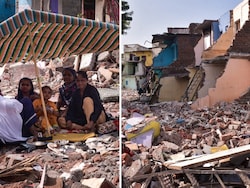
'Not Done By Us': Civic Body Distances Itself From Surat Demolition
In an exclusive conversation with NDTV, Surat Civic Body Deputy Commissioner Ashish J Nayak pushed back firmly against the widely held belief that the Corporation carried out the demolition.
-
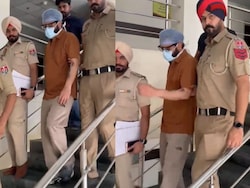
Mohali Man Kills Ex-Lover, Slits Own Throat, Reaches Court Days Later
Harjinder Singh Mann, whose neck bore extensive injuries from an intentional blade attack on himself following the crime, arrived at the court building wearing dark glasses and a medical face cover.
-

8 Burnt Alive In Fire At Illegal Cracker Godown In Jaipur
The fire erupted in a small house in Ayesha Nagar Talai colony, where firecrackers were allegedly kept, officials said.
-
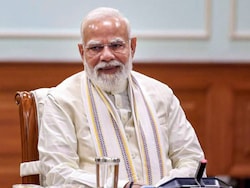
NDA Constituents To Meet Tomorrow For 12th Anniversary Of Modi Government
A meeting of the NDA to celebrate its government completing 12 years and Prime Minister Narendra Modi becoming the longest continuously serving elected PM of India will be held here on Wednesday.
-
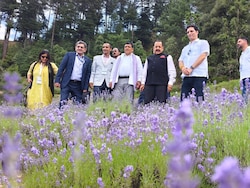
Terror Hideout To Purple Revolution: How Lavender Changed Fate Of A J&K Town
Bhaderwah's lavender story has also found recognition at the national level. Prime Minister Narendra Modi highlighted the region's purple revolution in his Mann Ki Baat programme.
-
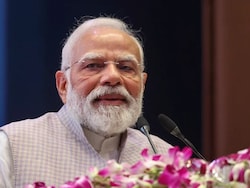
World Leaders Praise PM Modi As He Becomes India's Longest-Serving Prime Minister
Prime Minister Narendra Modi etched his name into India's political history books on Tuesday, surpassing Jawaharlal Nehru's record to become the country's longest-serving elected Prime Minister.
-
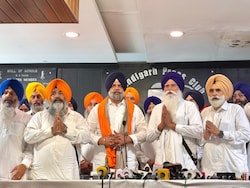
Akali Dal Rebel Joins Waris Punjab De, Boosts Party's Statewide Ambitions
With Dakha MLA Manpreet Singh Ayali's entry, the Amritpal Singh-led party has gained a credible foothold in the crucial Malwa belt.
-
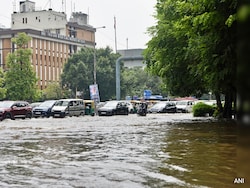
Delhi Aims To Clear Drains By June 15 To Curb Waterlogging This Monsoon
The Delhi Development Authority (DDA) on Tuesday said nearly 70 per cent of desilting work in stormwater drains under its jurisdiction has been completed.
-
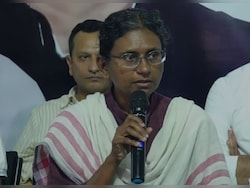
Rajya Sabha Pick Meenakshi Natarajan's Nomination Junked, Congress Protests
The MLAs, who have been waiting to take a flight to Bengaluru, meanwhile, were called back when Natarajan's nomination was rejected. Sources said the flight was recalled from the runway.


