


-
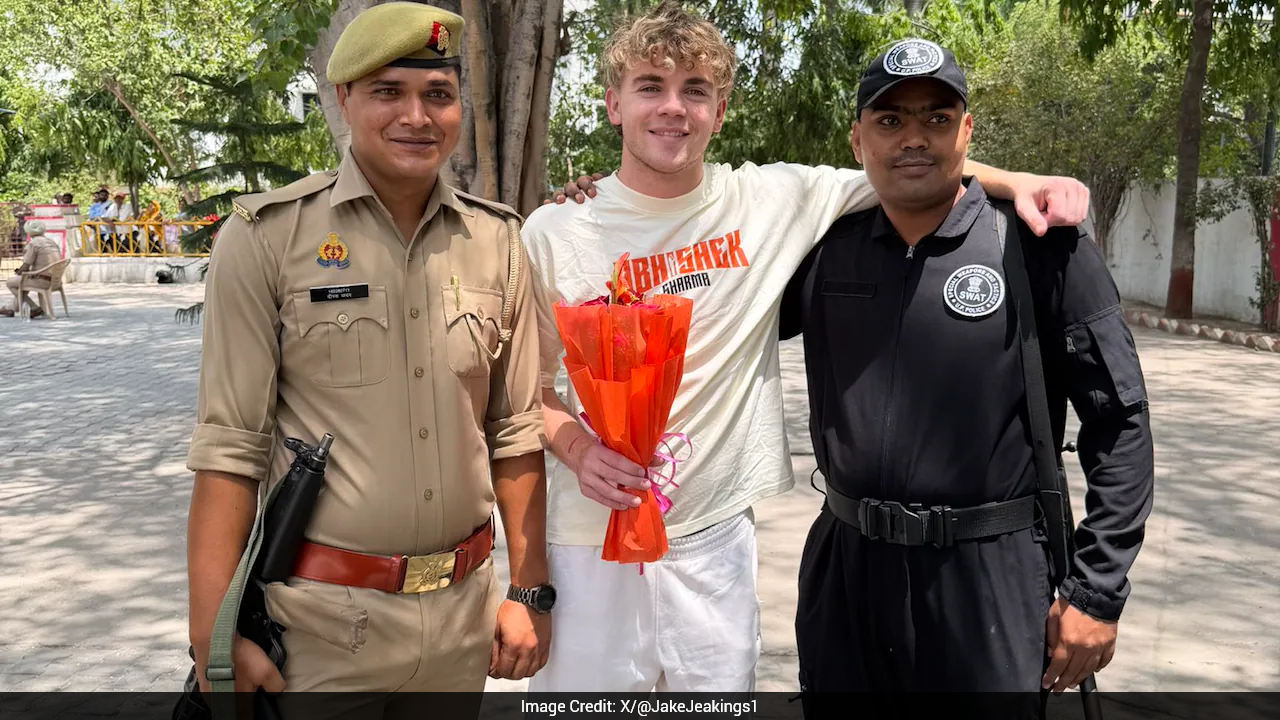
Aligarh Police Return Foreigner's Phone Lost During IPL Final In Ahmedabad
Aligarh Police tracked and recovered the Australian cricket influencer's phone, lost during the IPL final in Ahmedabad.
-
Inside NDA's Strategy To Secure A Two-Thirds Majority In Lok Sabha
The NDA currently falls short of a two-thirds majority in the Lok Sabha - a deficit that prevented the passage of the Women's Reservation Constitution Amendment Bill in April. The Women's Bill had been tied up with the Delimitation Bill and that too
-

Bengal Politics LIVE Updates: Churn Within Trinamool After Poll Loss, MP Says Rebels "Power Hungry"
West Bengal Politics LIVE Updates: Crisis within the party escalated dramatically with a full-blown rebellion in the legislature and Parliament wings.
-

Just Joking? Naah. Muslim Comedians Are Doing Something Serious
Amid all sorts of 'jihads' invented by the right-wing to demonise Muslims, these Muslim comedians are waging a laugh riot of their own
-

Modinomics At 12: Chips And Charters
The government's stated roadmap of four plants operational by end-2026 aspires to put India among the world's top five chip ecosystems by 2029.
-
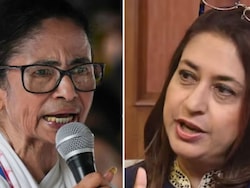
This Actor-MP Has Been In Trinamool Since 2009. She Lists Why They Rebelled
Satabdi Roy was chosen yesterday as the deputy leader of a group of Trinamool MPs who met with BJP leaders.
-
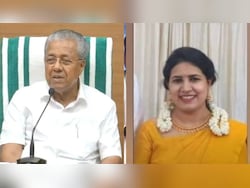
Pinarayi Vijayan's Daughter Gets Probe Agency ED Summons In Money Laundering Case
Sources indicate that the ED has already collected substantial documentary, digital and financial evidence as part of the investigation
-
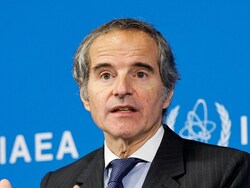
India's Shanti Act "Very Positive": Global Nuclear Watchdog Chief
Rafael Grossi praises India's nuclear reforms and ambitious goals to increase capacity.
-
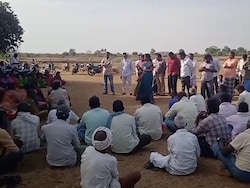
Telangana Villagers Pass Resolution To Send Children To Government Schools
Villagers, largely from the farming community, held detailed deliberations in the panchayat and passed a resolution that all children from the village should be enrolled in government schools.
-

Video: Helicopter Rescue For 24 Indians From Ship Hit By Missile Near Oman
Visuals showed Omani helicopters in action, flying over the vessel's deck and evacuating the Indian crew members from the Palau-flagged oil tanker.
-
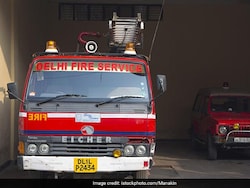
Hire Ex-Agniveers To Overcome Fire Service Staff Shortage: Delhi Lt Governor
Delhi LG suggests hiring retired army personnel to resolve fire service staff shortages.
-

Woman's Father Dies Of Heart Attack Amid Dowry Dispute In Uttarakhand: Cops
A dowry dispute at a wedding causes the bride's father to die from a cardiac arrest.
-

Ahead Of PM Modi's Slovakia Visit, Envoy Highlights Trade, Defence Ties
With PM Modi's visit now imminent, both sides appear poised to convert decades of goodwill into a genuinely transformative partnership.
-
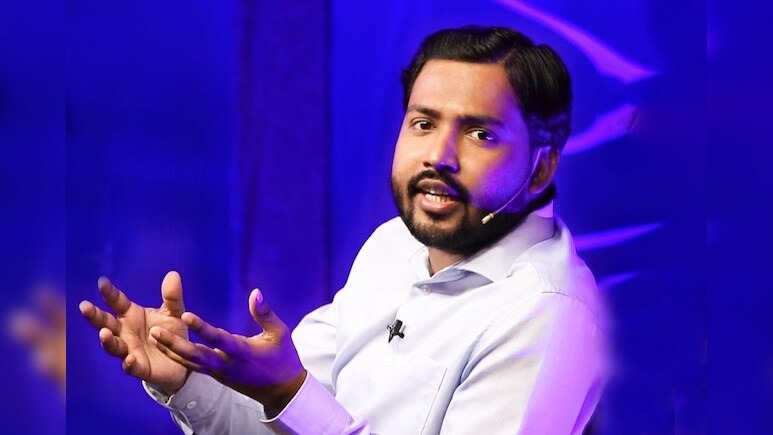
Khan Sir Gets Interim Protection From Arrest In Coaching Firing Case
Khan Sir Gets Interim Protection From Arrest In Coaching Firing Cases
-
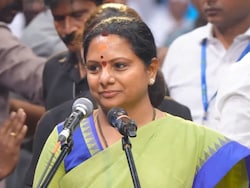
K Kavitha Slams Revanth Reddy, Demands Action On Land Owned By Pawan Kalyan
Kavitha alleged that public land worth nearly Rs 1 lakh crore had been grabbed by influential people, including those linked to the ruling establishment.
-

No End To DK Shivakumar Troubles, Minister, Aspirant Knock On Delhi's Doors
Minister Krishna Byre Gowda, who has been allocated the Bengaluru Development portfolio, has still not taken charge
-

Kerala Government Transfers 47 IAS Officers In Major Administrative Rejig
The order also created two new ex-cadre posts each for a period of one year to accommodate the rejig.
-
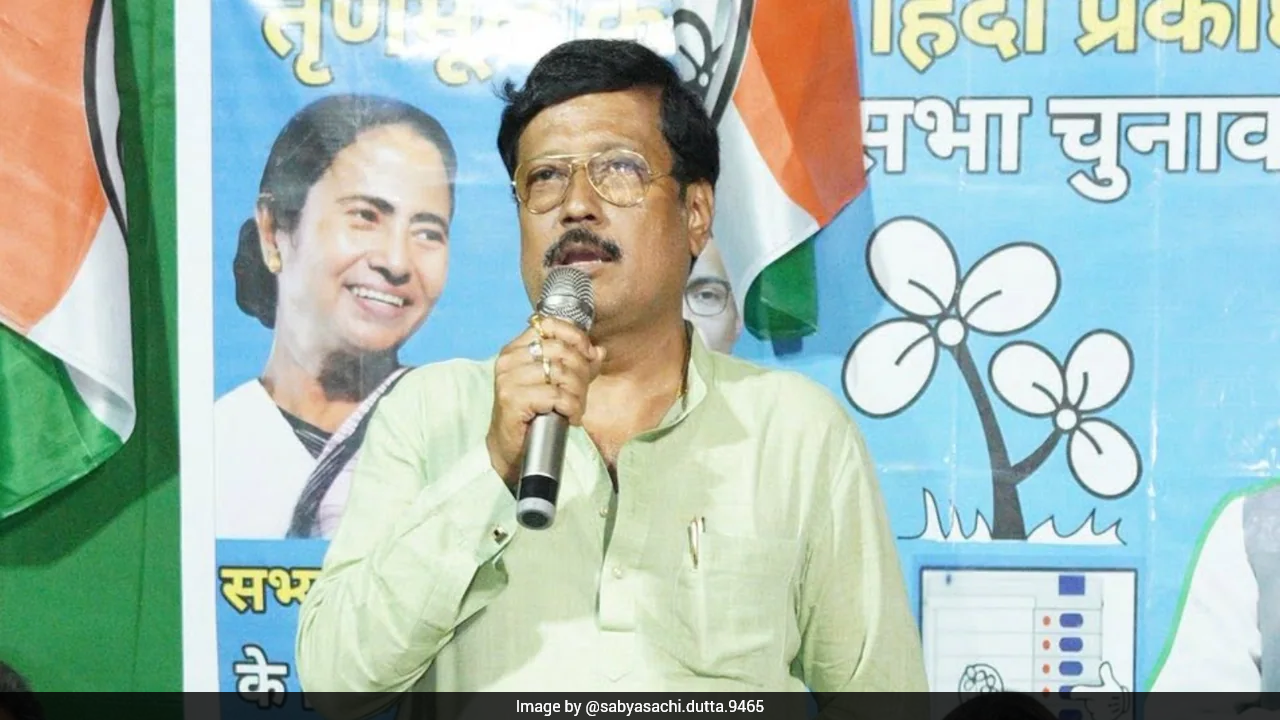
Trinamool's Sabyasachi Dutta, Bidhannagar Ex-Mayor, Arrested On Extortion Charges
Bidhannagar ex-mayor Sabyasachi Dutta has been accused by a businessman of extorting lakhs of rupees back in 2018.
-

Kerala 'Islam-Friendly' Gym Row Deepens Amid Ownership Questions
The idea behind the 'Islamic-friendly' gym was to introduce specific time slots that would offer greater privacy for women, including women instructors, and an environment without music during those hours.
-
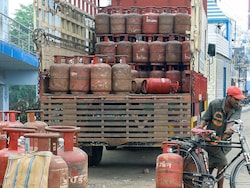
Government Cuts Subsidised LPG Cylinders To Ujjwala Beneficiaries To 4
Government reduces subsidised cooking gas cylinders to four annually for Ujjwala beneficiaries.


