


-

Hire Ex-Agniveers To Overcome Fire Service Staff Shortage: Delhi Lt Governor
Delhi LG suggests hiring retired army personnel to resolve fire service staff shortages.
-

Woman's Father Dies Of Heart Attack Amid Dowry Dispute In Uttarakhand: Cops
A dowry dispute at a wedding causes the bride's father to die from a cardiac arrest.
-

Ahead Of PM Modi's Slovakia Visit, Envoy Highlights Trade, Defence Ties
With PM Modi's visit now imminent, both sides appear poised to convert decades of goodwill into a genuinely transformative partnership.
-
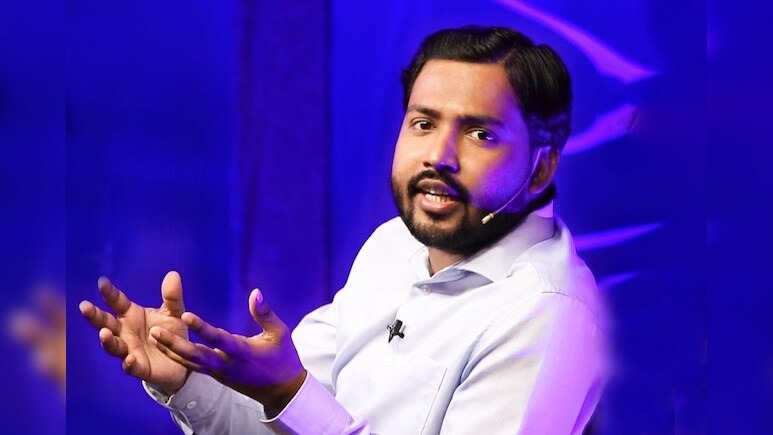
Khan Sir Gets Interim Protection From Arrest In Coaching Firing Case
Khan Sir Gets Interim Protection From Arrest In Coaching Firing Cases
-
K Kavitha Slams Revanth Reddy, Demands Action On Land Owned By Pawan Kalyan
Kavitha alleged that public land worth nearly Rs 1 lakh crore had been grabbed by influential people, including those linked to the ruling establishment.
-

No End To DK Shivakumar Troubles, Minister, Aspirant Knock On Delhi's Doors
Minister Krishna Byre Gowda, who has been allocated the Bengaluru Development portfolio, has still not taken charge
-

Kerala Government Transfers 47 IAS Officers In Major Administrative Rejig
The order also created two new ex-cadre posts each for a period of one year to accommodate the rejig.
-
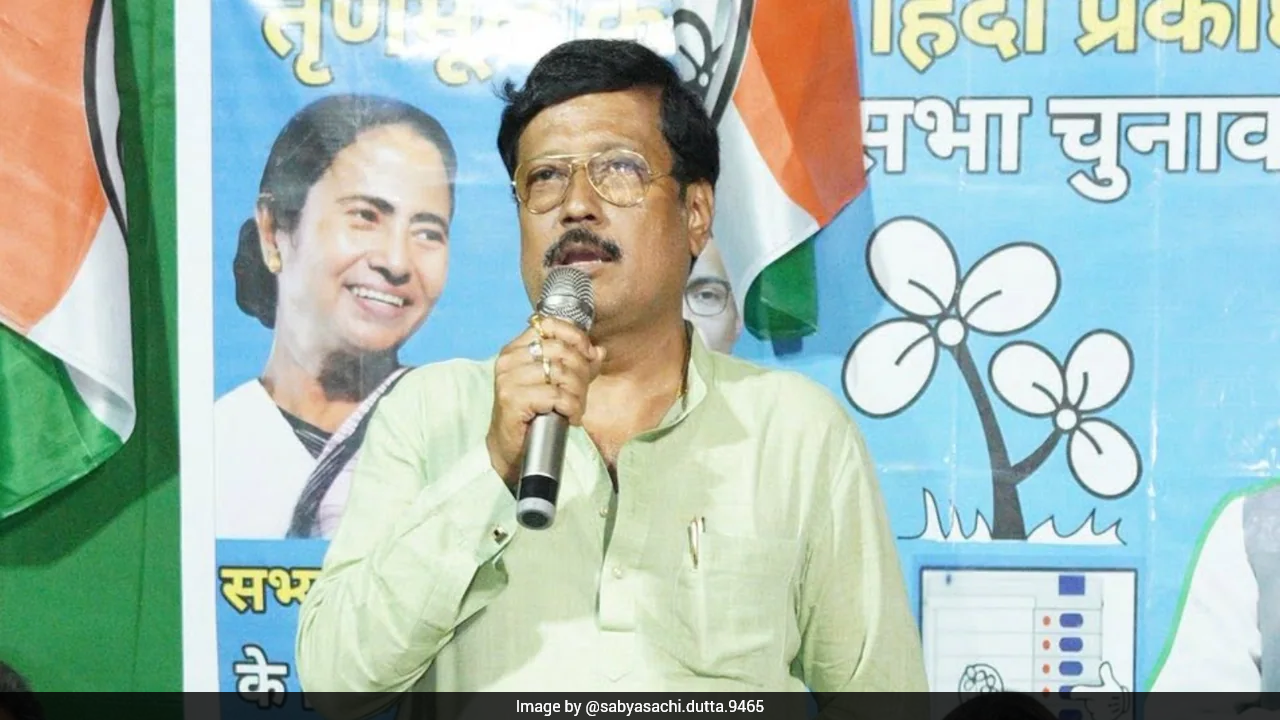
Trinamool's Sabyasachi Dutta, Bidhannagar Ex-Mayor, Arrested On Extortion Charges
Bidhannagar ex-mayor Sabyasachi Dutta has been accused by a businessman of extorting lakhs of rupees back in 2018.
-
Kerala 'Islam-Friendly' Gym Row Deepens Amid Ownership Questions
The idea behind the 'Islamic-friendly' gym was to introduce specific time slots that would offer greater privacy for women, including women instructors, and an environment without music during those hours.
-
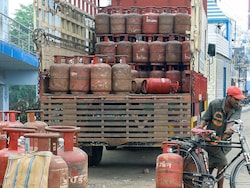
Government Cuts Subsidised LPG Cylinders To Ujjwala Beneficiaries To 4
Government reduces subsidised cooking gas cylinders to four annually for Ujjwala beneficiaries.
-
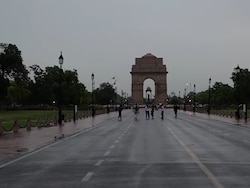
Today Weather LIVE: Delhi-NCR To Witness More Rain, Says Weather Office
Today Weather in Delhi NCR LIVE Update:
-

UP Man Accuses Wife Of Killing 7-Month-Old Son Over Affair: Cops
The seven-year-old child's father has accused his wife of murdering their son due to affair in UP's Meerut on Monday.
-
Dalit Teen Beaten To Death Over Inter-Caste Friendship In Uttarakhand: Cops
An 18-year-old Dalit youth was allegedly beaten to death and his friend severely injured over his friendship with a minor girl from an upper caste community in the Pratapnagar block here, police said on Monday.
-
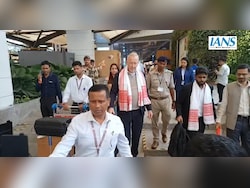
EU Delegation Arrives In Assam for 2-Day Visit To Boost Ties
The visit comes as India and the European Union seek to deepen engagement under the India-EU Comprehensive Strategic Agenda adopted earlier this year.
-

Visa Expired, Abused By In-Laws: Bangladeshi Woman's Crisis In Bengal
Family members said Riya has been unable to return to Bangladesh because her visa expired during her stay in India, creating legal complications.
-
4 Migrant Workers From Bengal Caught With 35 Kg Marijuana In Kerala
The marijuana had allegedly been transported from West Bengal by train to Aluva before being shifted to Perumbavoor in two autorickshaws.
-
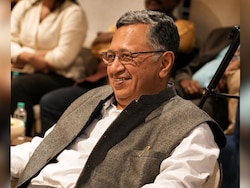
Senior Lawyer Alleges Accessibility Lapses, Dress Code Row At Madras Club
Senior lawyer Sriram Panchu filed a complaint against the Madras Club in Chennai, raising concerns over accessibility for persons with disabilities and the enforcement of the club's dress code
-
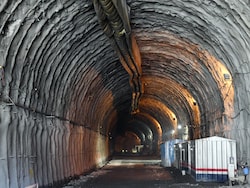
India's Longest Road Tunnel Zojila Nears Finish, To Boost Army Mobility
Harpal Singh, General Manager of Mega Engineering and Infrastructure Ltd. (MEIL), said the tunnel would be a game-changer for India's defence needs in Ladakh.
-
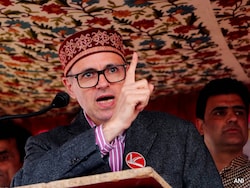
Omar Abdullah Invites INDIA Bloc To Join J&K Statehood Protest
Omar Abdullah said that he will be writing to all the opposition parties to join the march at the start of the Monsoon session of parliament next month.
-
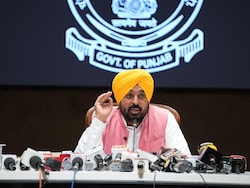
Bhagwant Mann Hands Over Appointment Letters To 355 Government Employees
Punjab Chief Minister Bhagwant Mann on Monday said the state has not witnessed a single paper leak incident since his government came to power in 2022, even as 93 exam papers were leaked in the country since 2017.


