


-

8 Burnt Alive In Fire At Illegal Cracker Godown In Jaipur
The fire erupted in a small house in Ayesha Nagar Talai colony, where firecrackers were allegedly kept, officials said.
-
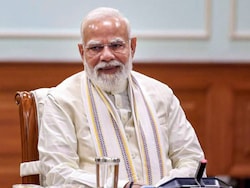
NDA Constituents To Meet Tomorrow For 12th Anniversary Of Modi Government
A meeting of the NDA to celebrate its government completing 12 years and Prime Minister Narendra Modi becoming the longest continuously serving elected PM of India will be held here on Wednesday.
-
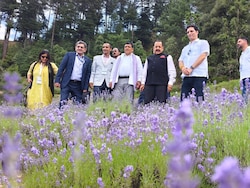
Terror Hideout To Purple Revolution: How Lavender Changed Fate Of A J&K Town
Bhaderwah's lavender story has also found recognition at the national level. Prime Minister Narendra Modi highlighted the region's purple revolution in his Mann Ki Baat programme.
-
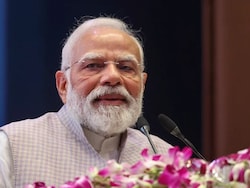
World Leaders Praise PM Modi As He Becomes India's Longest-Serving Prime Minister
Prime Minister Narendra Modi etched his name into India's political history books on Tuesday, surpassing Jawaharlal Nehru's record to become the country's longest-serving elected Prime Minister.
-
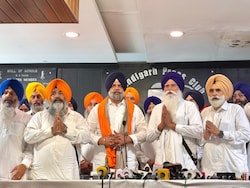
Akali Dal Rebel Joins Waris Punjab De, Boosts Party's Statewide Ambitions
With Dakha MLA Manpreet Singh Ayali's entry, the Amritpal Singh-led party has gained a credible foothold in the crucial Malwa belt.
-
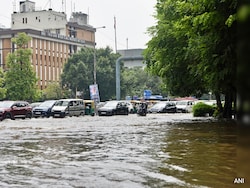
Delhi Aims To Clear Drains By June 15 To Curb Waterlogging This Monsoon
The Delhi Development Authority (DDA) on Tuesday said nearly 70 per cent of desilting work in stormwater drains under its jurisdiction has been completed.
-
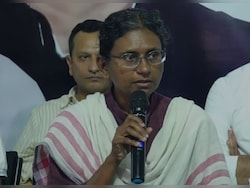
Rajya Sabha Pick Meenakshi Natarajan's Nomination Junked, Congress Protests
The MLAs, who have been waiting to take a flight to Bengaluru, meanwhile, were called back when Natarajan's nomination was rejected. Sources said the flight was recalled from the runway.
-
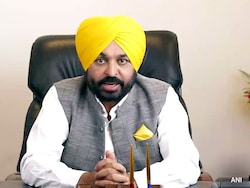
Punjab On Path To Becoming Startup Hub Of India: Bhagwant Mann
Describing startups as a key pillar of Punjab's future economic growth, Chief Minister Bhagwant Mann on Tuesday said his government is committed to ensuring that no promising idea is abandoned due to a lack of financial support.
-
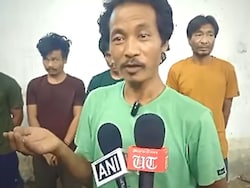
14 Kuki Hostages Released By Naga Groups In Manipur After 27 Days
The release came after central and state governments ensured that all possible efforts would be made to trace and establish the status of the six missing Naga hostages.
-
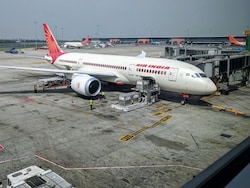
Air India Passenger Breaks Window Pane Mid-Flight, No-Fly Action Looms
The incident took place on flight AI1879 on June 7 as the aircraft was preparing to land in Delhi. According to officials familiar with the matter, the passenger ignored repeated warnings from the cabin crew before damaging the window.
-

Fake IDs, Fake Cop Badges, Fake Money: Bengal Killer Couple's 'World Of Fake'
Police found multiple fake identity cards, counterfeit badges resembling those of the West Bengal Police, and a fake badge identifying the holder as a railway ticket checker.
-
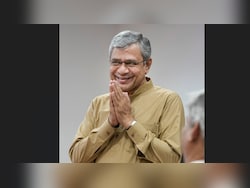
Design Drew Big Tech Firms To India: Minister On Semi-Conductor Prospects
Complex chips for commercial purposes will be manufactured at two facilities in India. A third will begin production in July, and a fourth by December, Ashwini Vaishnaw said.
-

Rs 1.23 Lakh Crore In 78 Days: Sources On Support To Oil Firms After Iran War
After the first 78 days, the Ministry of Finance determined that extending further financial support to a single sector would not be appropriate, the sources said.
-
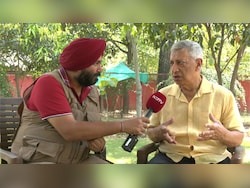
'PoK Is Jallianwala Bagh, Asim Munir Is General Dwyer': Ex J&K Top Cop
Likening the situation in Pakistan-occupied Jammu and Kashmir (PoK) to the Jallianwala Bagh massacre, former Jammu and Kashmir Director General of Police SP Vaid accused Field Marshal General Asim Munir of acting like General Dyer.
-

Opinion | The Chinese Are Using LinkedIn 'Jobs' To Spy On Countries. Is India Prepared?
A recent report throws light on how Chinese operatives frequently disguise themselves as representatives of private consultancies, research institutions, or human resource firms, posting seemingly legitimate job opportunities for foreign policy, defe
-

BJP Leader Criticises Operation Bluestar In Big Shift In Punjab Strategy
For the first time, a senior BJP leader has publicly echoed sentiments traditionally associated with panthic politics.
-
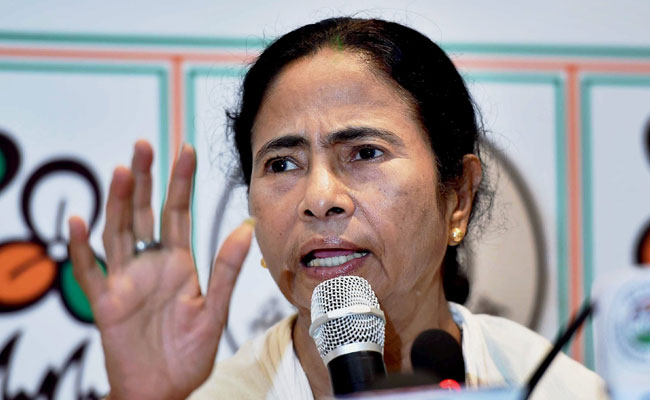
CID At Mamata Banerjee's Home With Search Warrant In Signature Scandal Probe
Trinamool Crisis: CID At Mamata Banerjee's Home With Search Warrant In Signature Scandal Probe
-

India World's 5th Largest Military Spender With $92 Billion War Chest: Report
In its annual assessment report launched on Monday, the Stockholm International Peace Research Institute (SIPRI) also said that India has approximately 190 nuclear warheads as of January 2026, compared to Pakistan's estimated stockpile of 170.
-

Congress MLAs Stranded At Bhopal Airport Over Plane Mix-up
On Tuesday, the MLAs first gathered at Leader of Opposition Umang Singhar's residence and then left for the airport in their own vehicles.
-

India Condemns "Severe Police Brutality" In PoK, Wants Pak To Be Held "Accountable"
"We hope the international community will hold Pakistan accountable for its misdeeds and abuses," the Indian government said.


